Tides of Resilience in Southern Portugal
The Algarve usually brings to mind golden beaches, golf clubs, and resort cocktails with tiny umbrellas. But this little piggy went south to see what’s hiding beyond the pool decks—and found stories of resilience, flavour, and pride bubbling quietly beneath the surface.
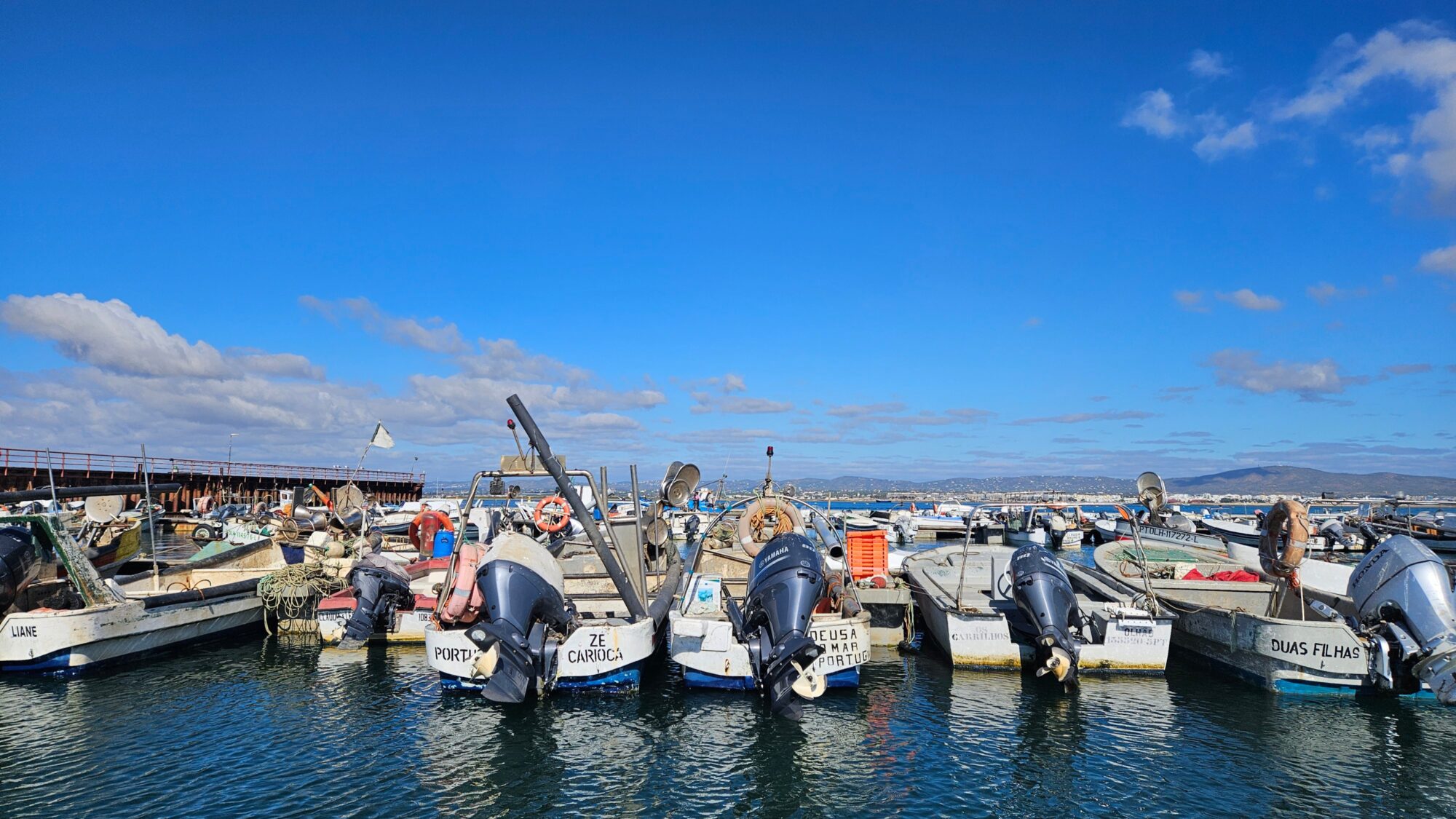
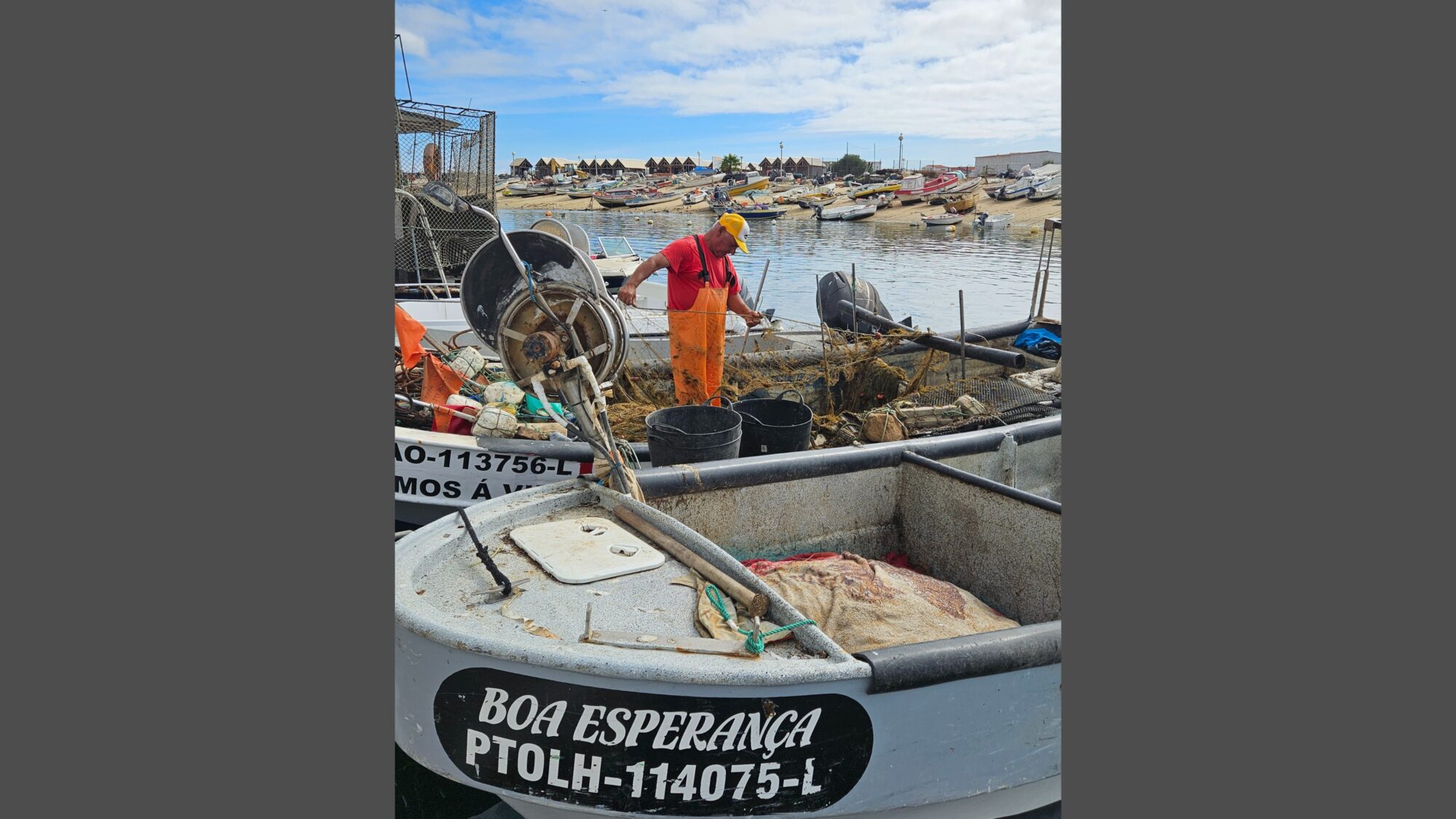
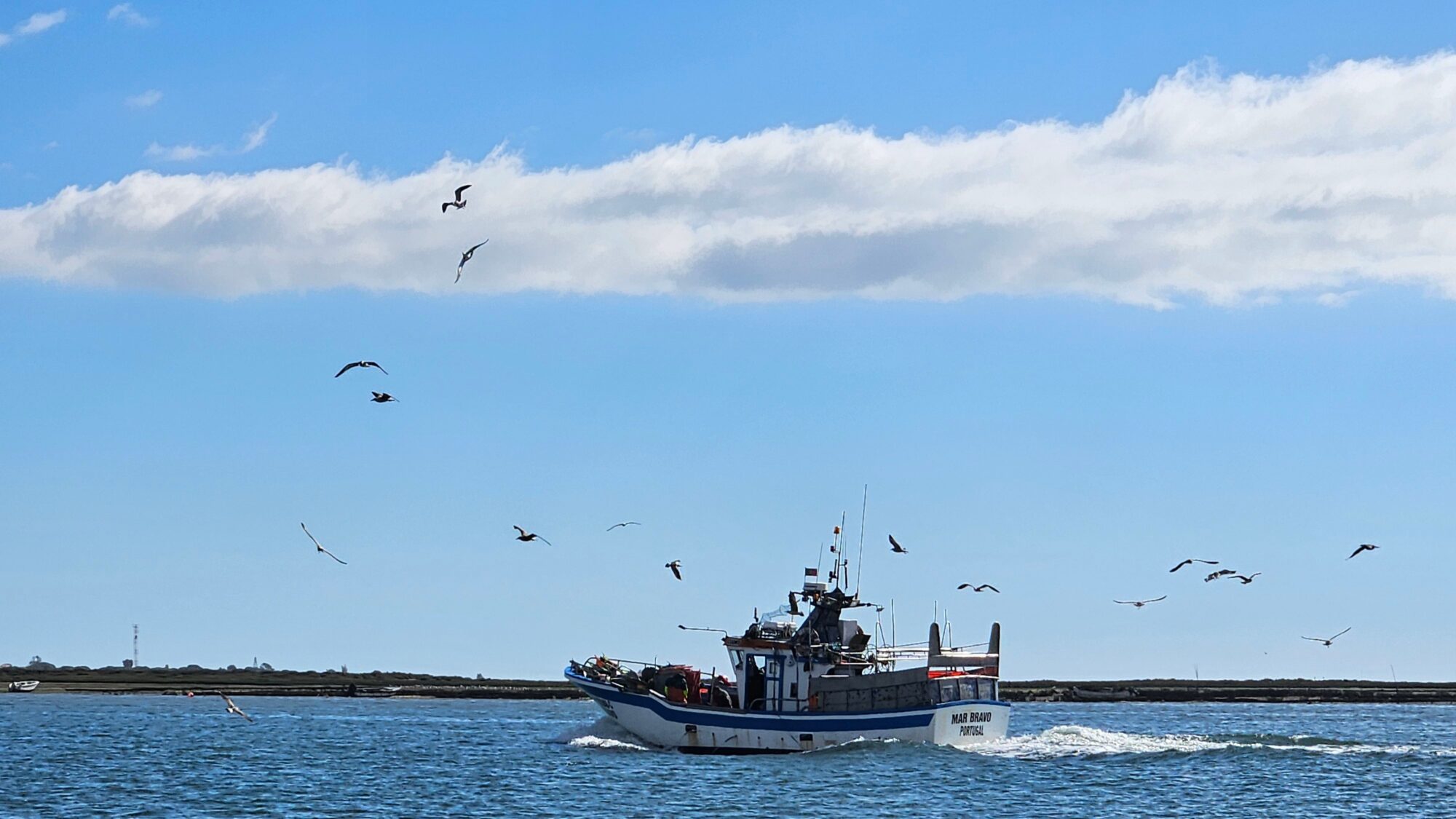
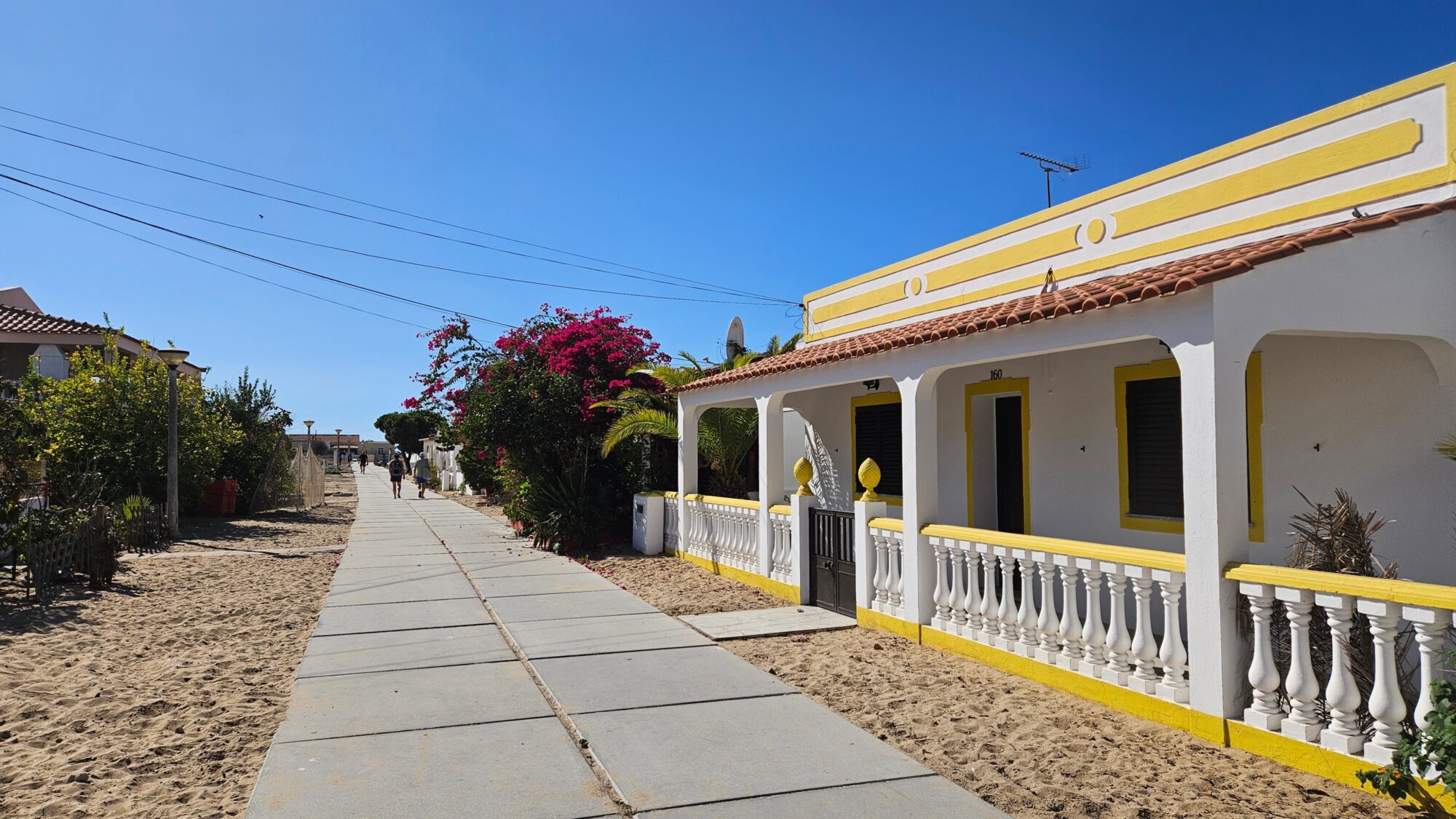
At first, Culatra looks like time has slowed down to a near halt. It’s a small sandy island floating in the Ria Formosa lagoon, dotted with simple houses, fishing nets drying in the sun, and colourful boats boats rocking gently with the tide. Life follows the rhythm of the water—patient, steady, proudly resilient.
People have lived here for nearly two centuries—first out of necessity, later out of devotion. They came chasing the tuna and sardine traps, and built shelters with whatever the island offered, somehow managing to find fresh water just two and a half meters below the sand. What began as a temporary refuge became a home.
Around 900 people live here today, and belonging still means something. You can’t simply buy a house on Culatra—you inherit the right to live here. The houses stay within the same family line, protecting the community’s identity so the fishermen’s children can keep their place by the sea. It’s a very efficient anti-Airbnb antidote.
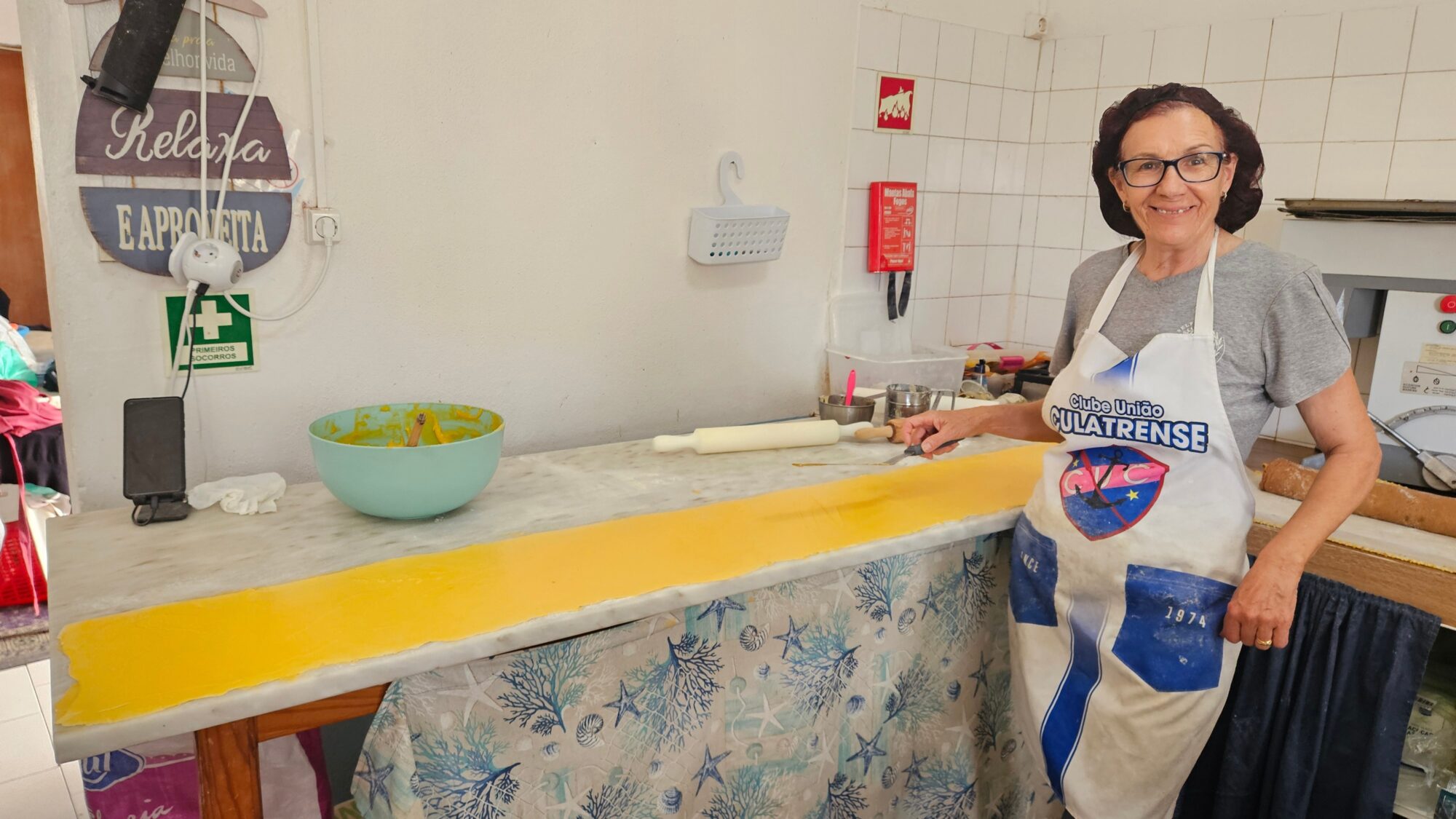
Despite its size (around six kilometres long), the island hosts a surprising amount of activity: a small school, a health centre, seven restaurants, a church, three bars, even a heliport for medical emergencies… and, believe it or not, one of Portugal’s best pastry shops. The specialty is the “jesuíta”, a pastry typical of northern Portugal—but here, a local family has perfected it. The baker’s son went abroad to study, married, and brought his wife back to the island, where together they now run the bakery from their family home. It’s a compulsory stop for anyone visiting, the kind of place where the air smells of sugar and almonds and you’re greeted like an old friend.
For generations, families survived by fishing and harvesting clams and shellfish, a tough and unpredictable livelihood that depended entirely on the tides. But in the past decade, something new has taken root between Faro and Farol: oyster farming.
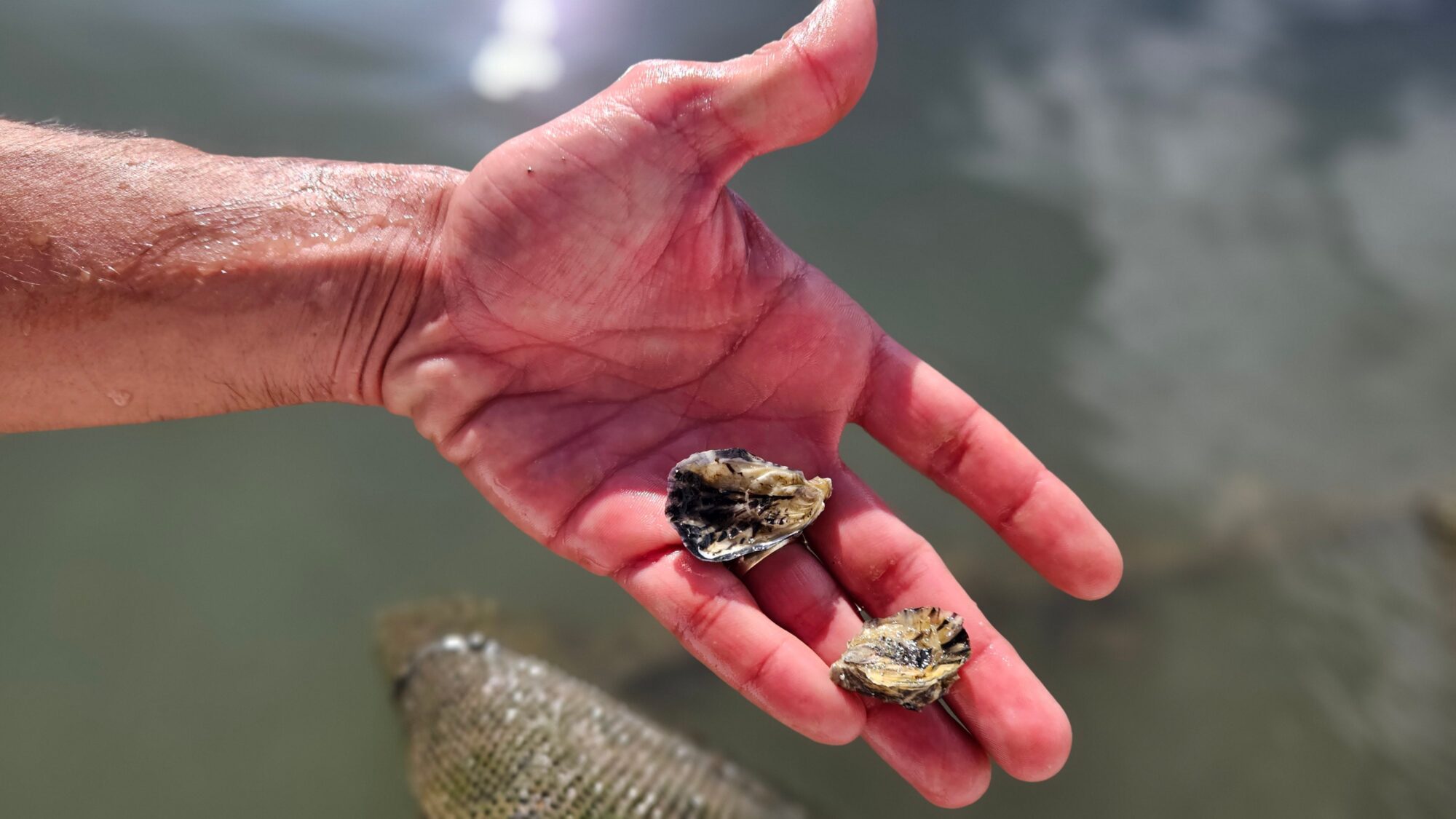
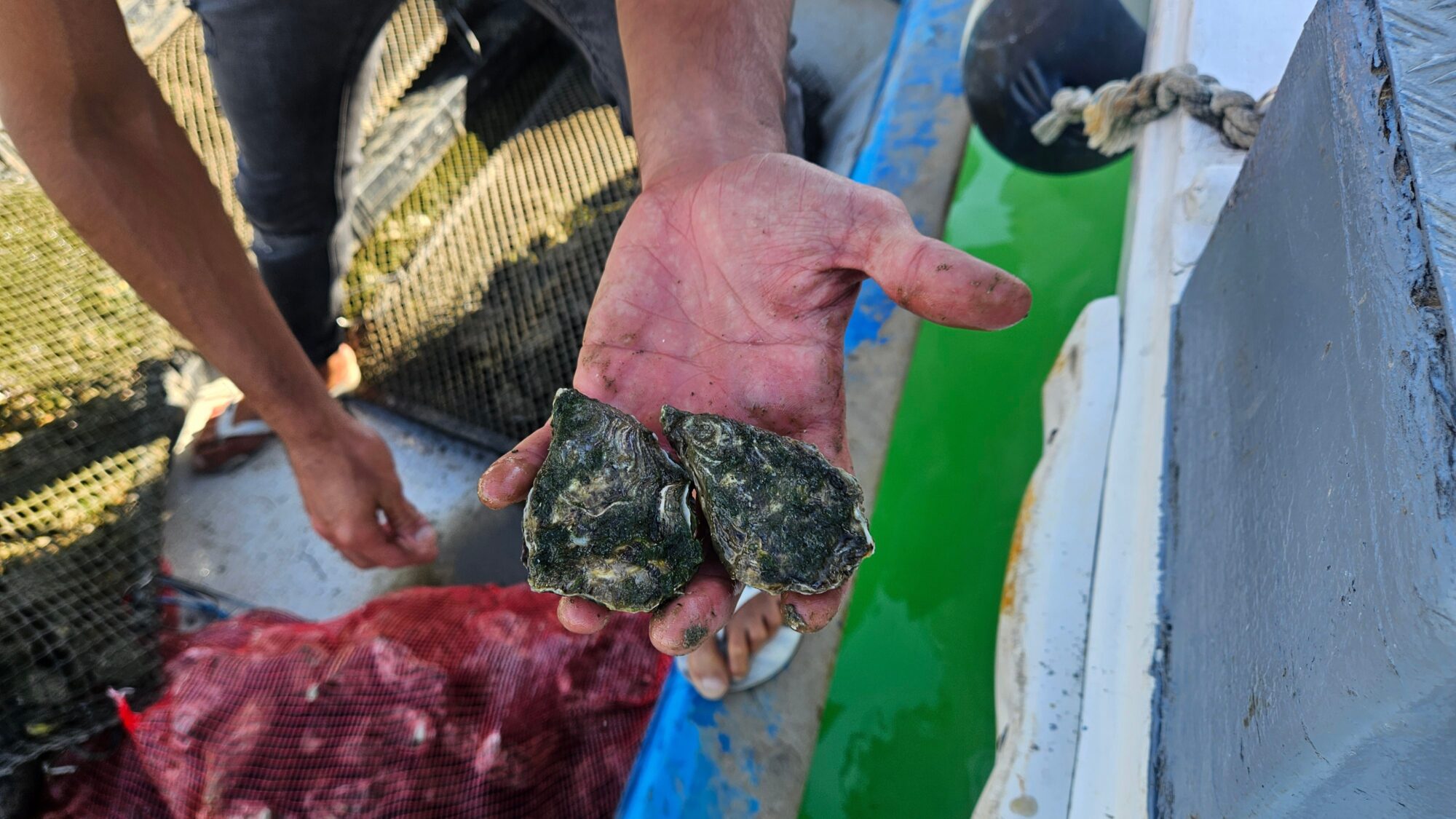
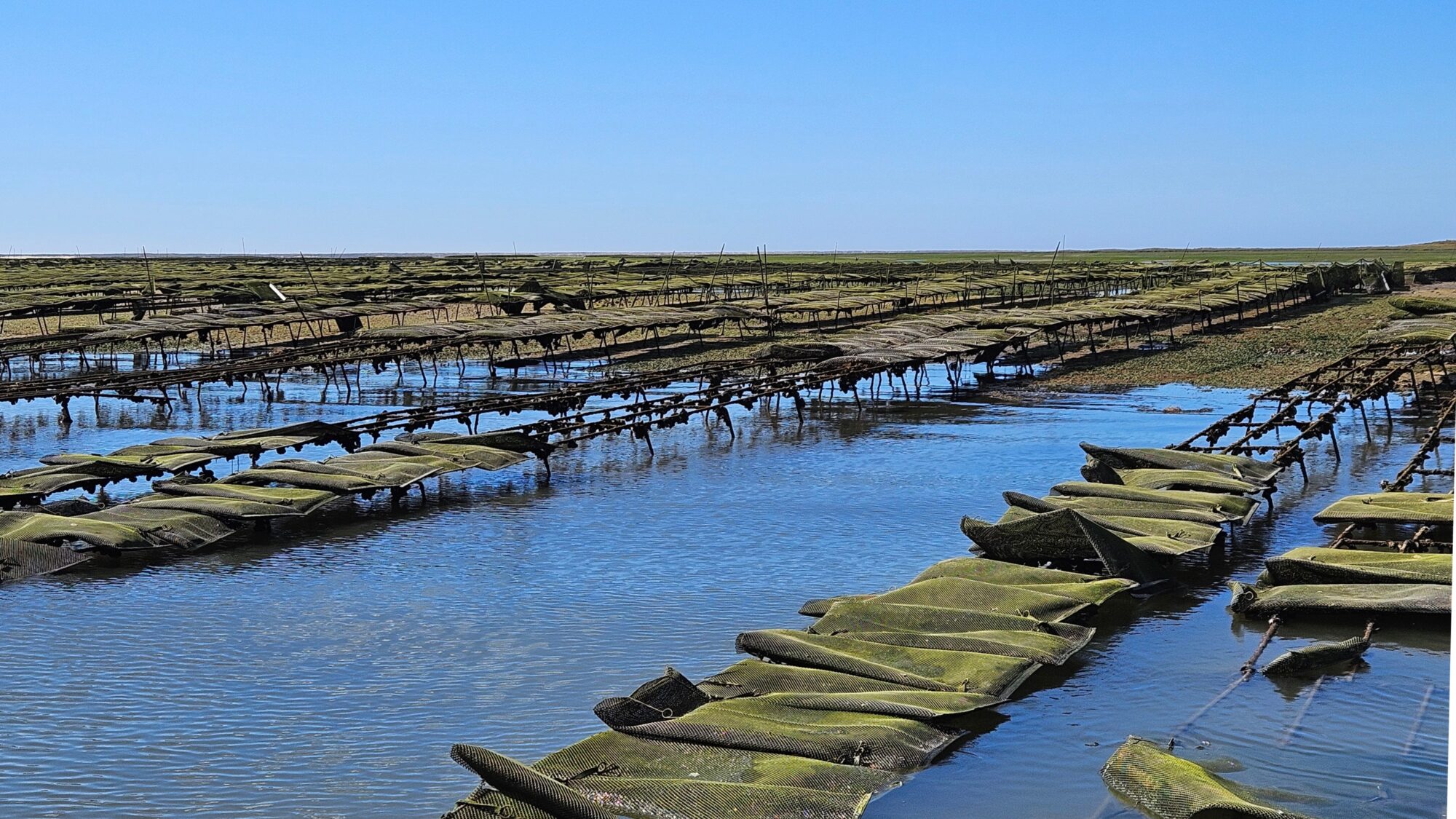
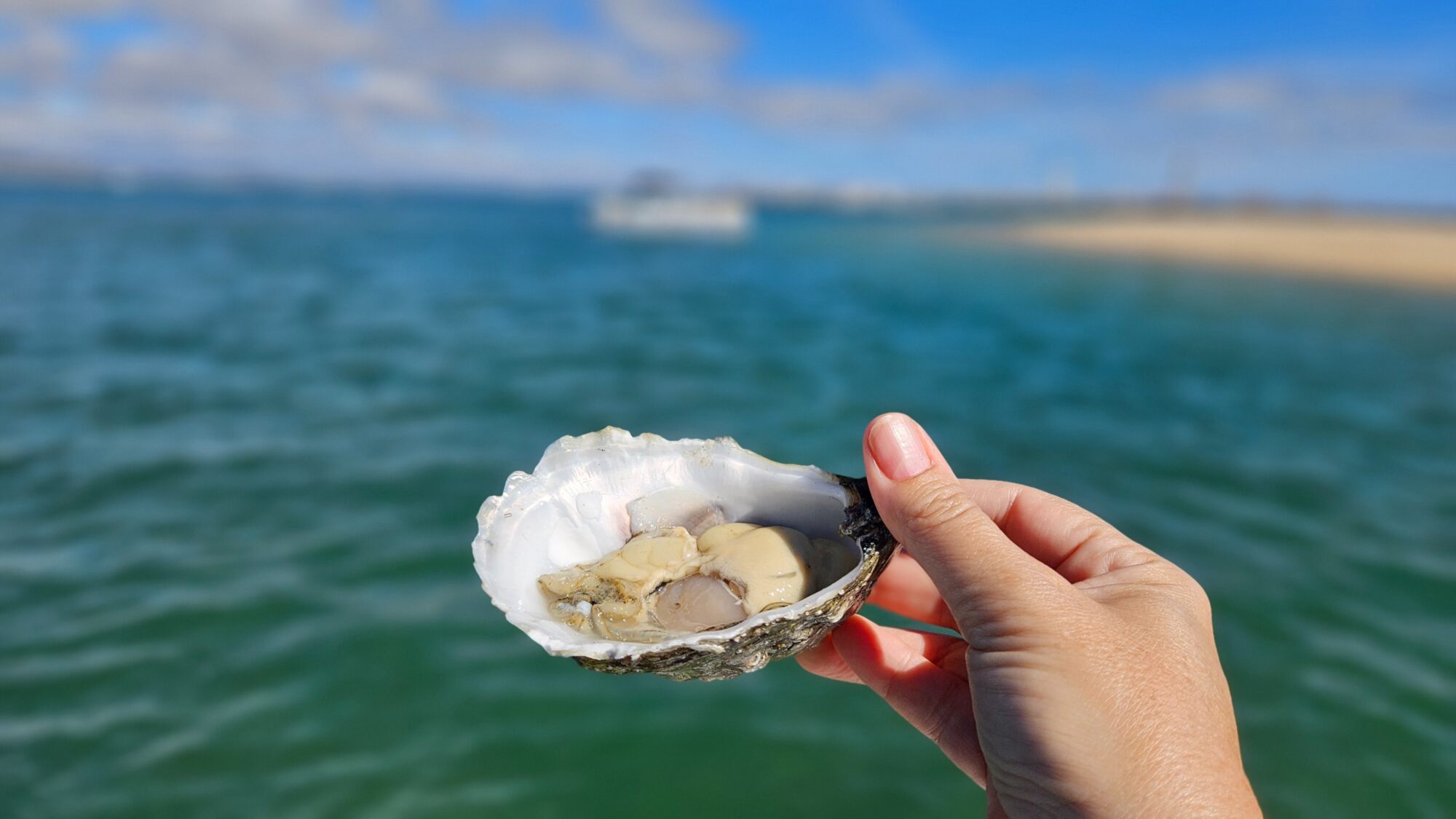
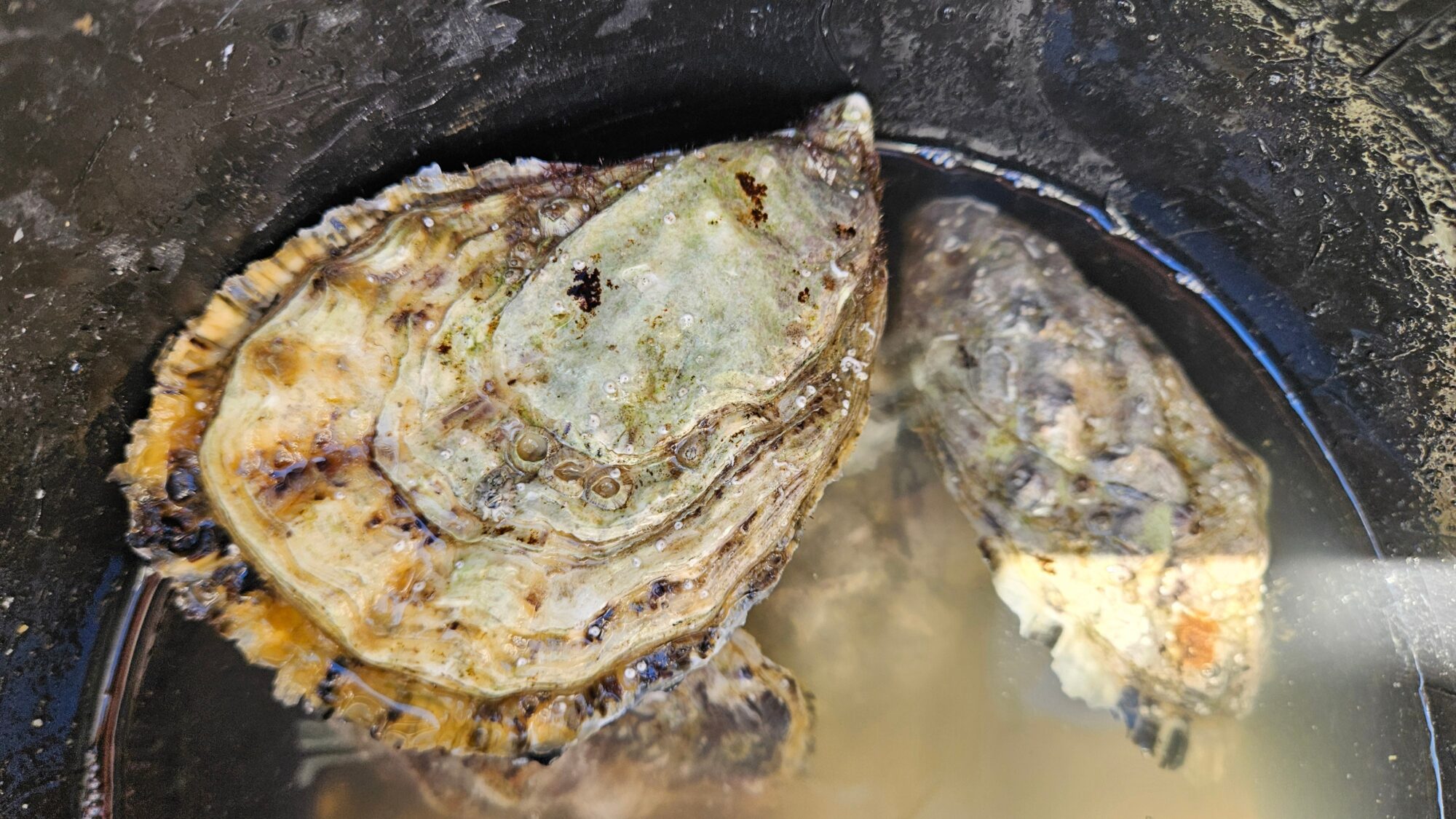
It’s a curious thing, because in many places, introducing a foreign species has spelled disaster for local ecosystems. But here, it’s become a story of renewal. The oysters arrive as tiny seeds from France and grow in the nutrient-rich waters of the Ria Formosa, maturing in half the time they would back in Brittany. After about a year and a half, most return to France for export—but the work, the skill, and the income stay on the island.
There were attempts by outside companies to buy the area, but the islanders stood firm. Associations formed to ensure the farms remained in local hands, giving young people work and keeping the economy alive without depending on tourism. It’s now a model of ecological aquaculture—proof that sustainability and community can thrive together.
Every oyster is tended by hand. For six months they grow in nurseries before being moved to shallower waters, where air and sunlight strengthen their shells. The ones that outgrow export size stay home, turning up in cataplanas, stews, and even oyster feijoada. Nothing is wasted.
Culatra’s story doesn’t stop there. The island is working closely with the Universities of Lisbon and the Algarve on an ambitious sustainability plan, aiming to become fully sustainable by 2030. Together they’re studying the properties of oyster shells, experimenting with mixing them into construction materials, and exploring how discarded fishing nets can be repurposed. Even the local school is involved—students have created sculptures and art projects using old nets and trash collected on the island.
And just beyond the farms lies another wonder: the Seahorse Sanctuary. These fragile creatures live among the underwater seagrass meadows known locally as sebarrinha – considered “the lungs of the ocean” . Once, sailboats would anchor there, their chains tearing up the seabed. Now the area is protected, marked on naval charts, and only accessible to the women who collect shellfish at low tide. When the water rises, the seahorses return to glide among the grasses—tiny (and super cute) guardians of this delicate ecosystem.
Visiting Culatra is a bit of a treat. Thanks to our local network of friends and guides, we can put together a really special day here—one that goes well beyond just tasting oysters (though that part is pretty great). You might start by learning first-hand how the oysters are farmed and how this has changed the island’s future, then head to a local home for a hands-on cooking class. Think freshly opened oysters, a glass of crisp Algarve white, and a cataplana bubbling away with the morning’s catch. Or, if you’d rather keep it salty and breezy, we can do it all on board. There are lots of ways to experience it—it just depends how you like your oysters served.