Life and death in Tana Toraja
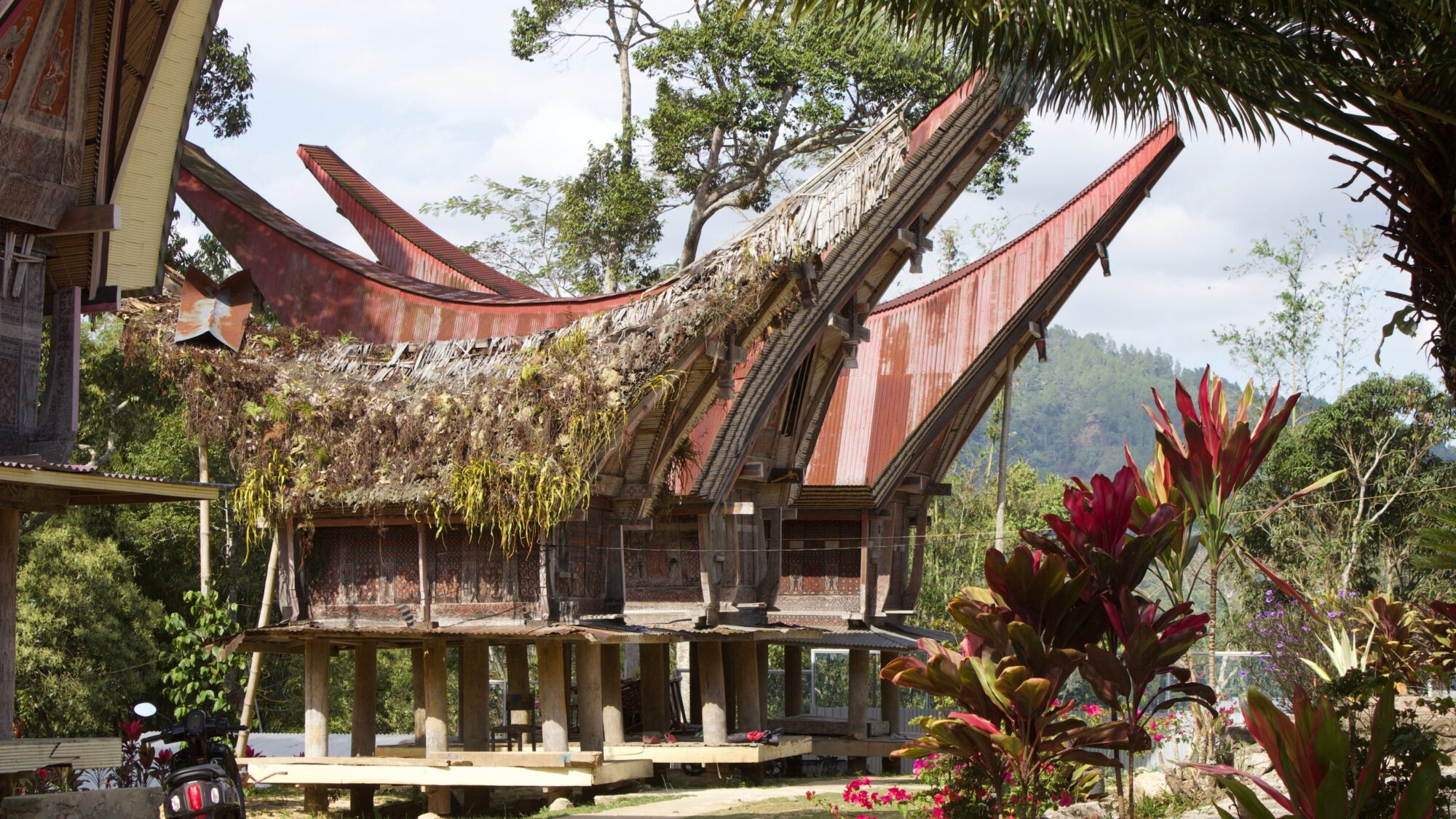
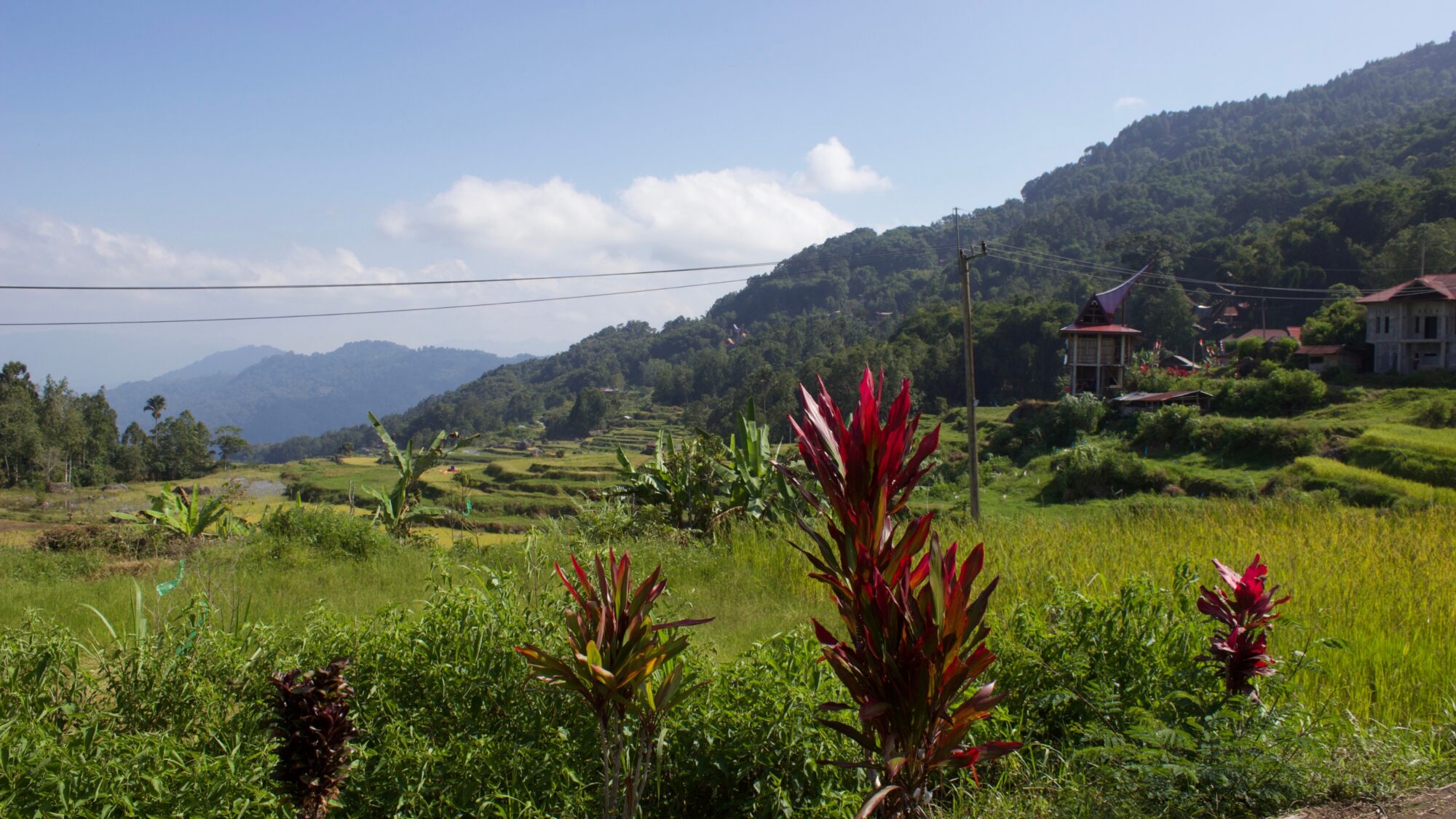
In the mountains of Sulawesi, Indonesia, the land of the living and the dead fold into each other like origami.
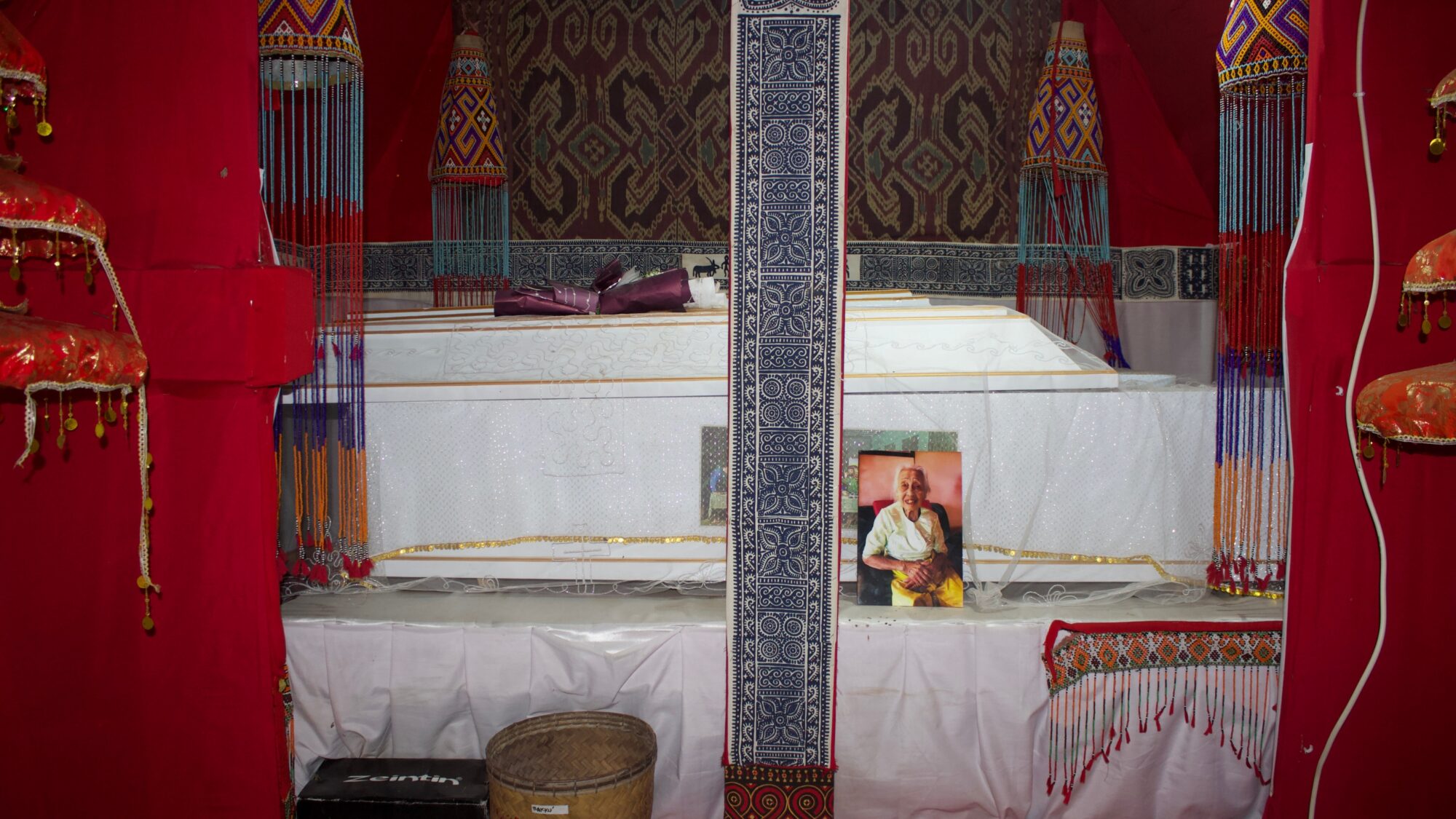
I visited the home of the dead one day. Signified by a white flag outside, my guide and I stopped and asked if we could meet with their loved one. The deceased’s grandchildren casually accepted our request and as is custom, we addressed the dead upon entering their room; “Hello? May we come in?” my guide said in Indonesian as he knocked. As my mind processed all that was, the grandson answered questions half-heartedly while playing a game on his phone. We paid our respects and thanked the dead for their visit. They had been “living” there for 5 years.
The first few months are the smelliest, I’m told, as the family performs the ever personal process of preservation. The deceased family member then lives in the home for months or years while elaborate funeral arrangements are made. This is a time of grieving and pressure to prepare what is to come.
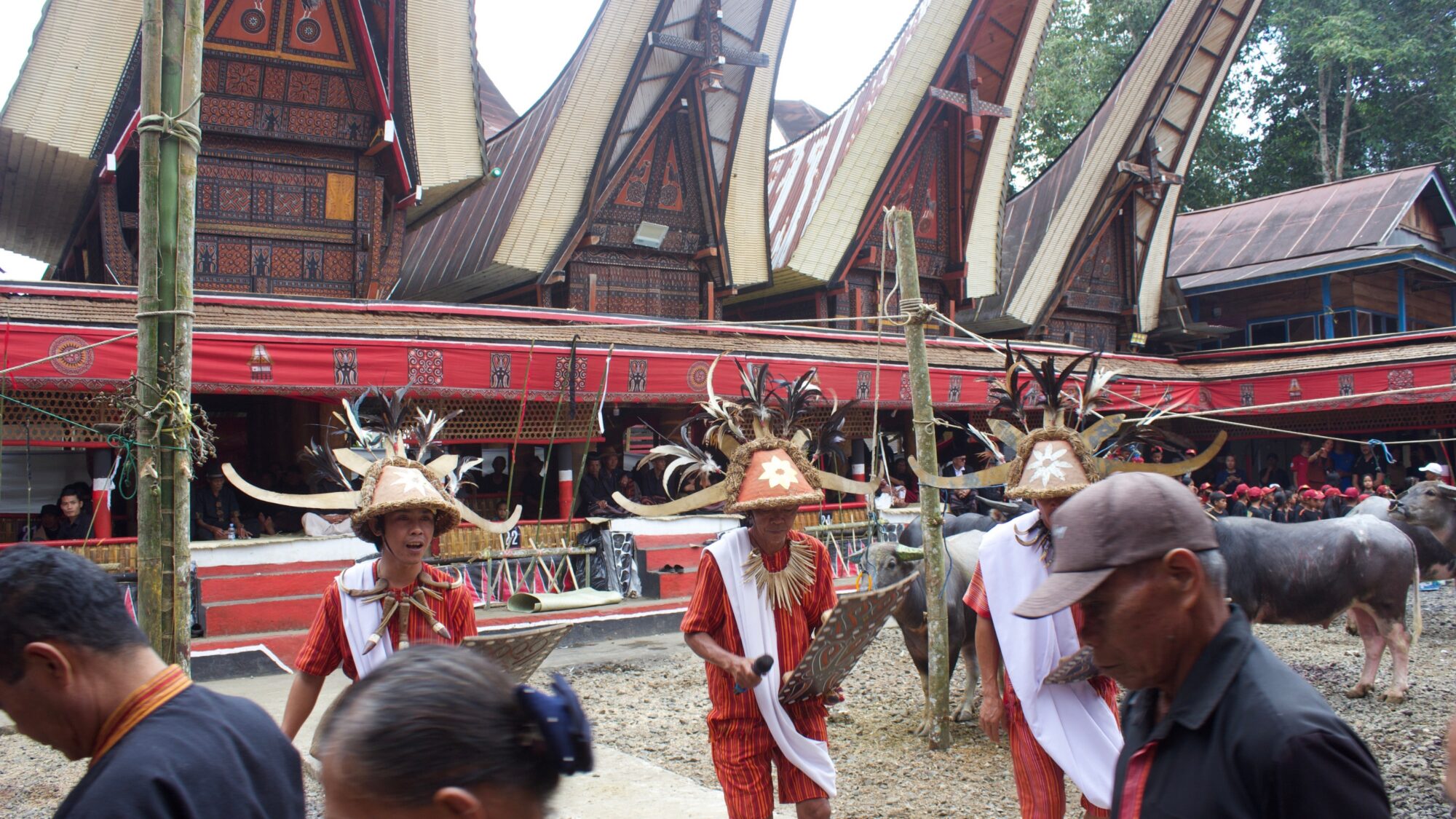
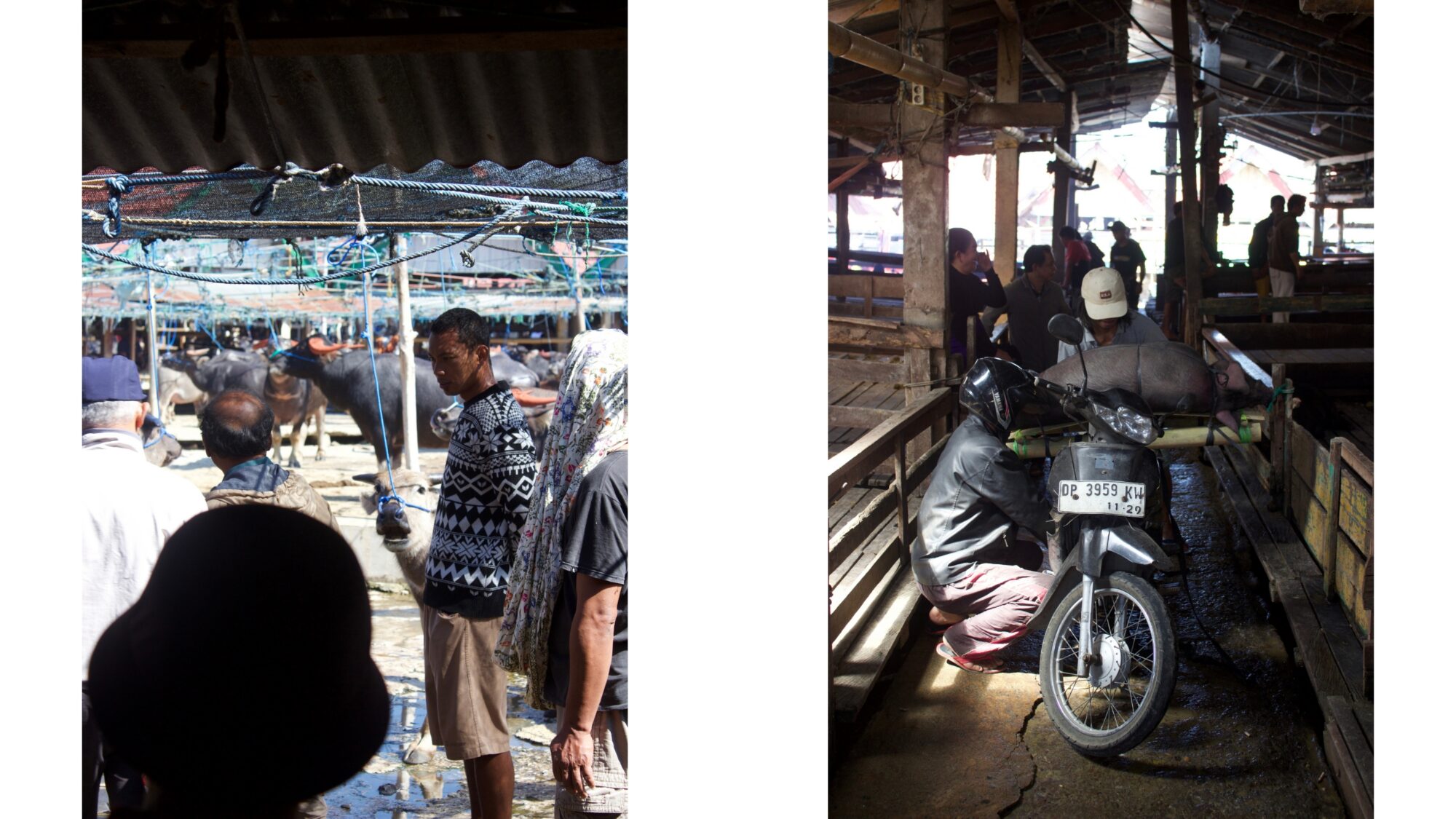
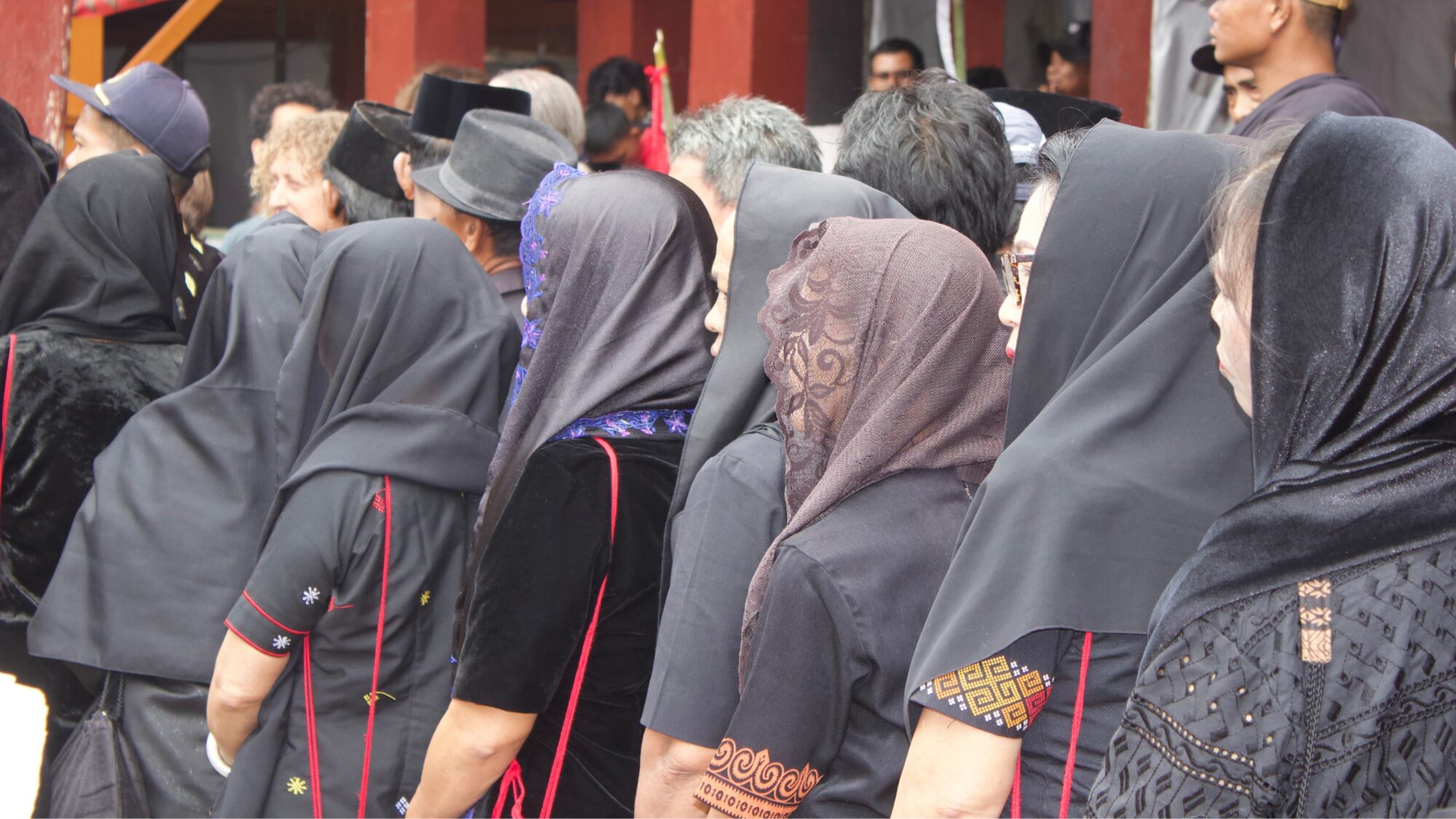
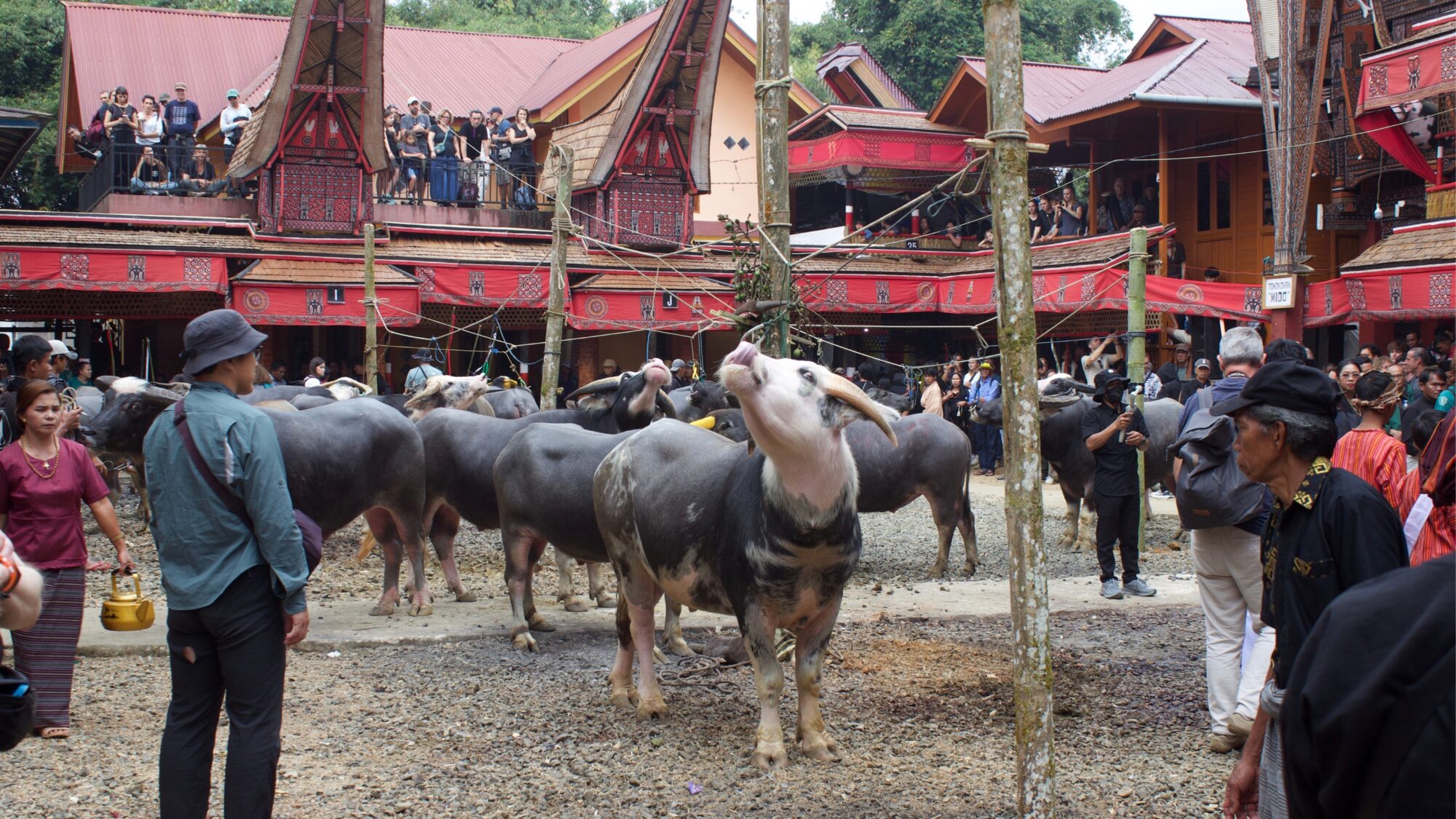
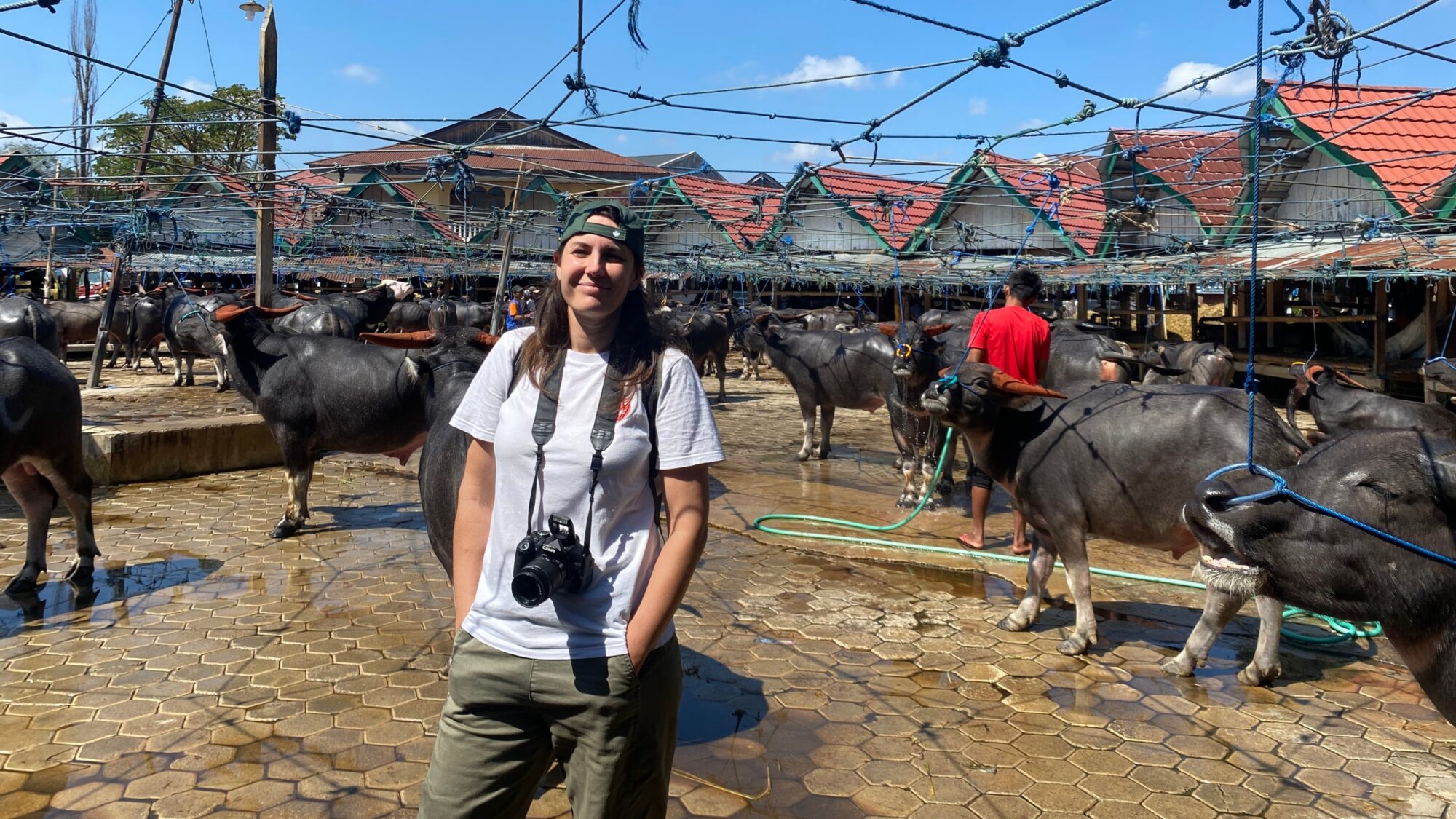
Your status in the community dictates how large the funeral must be. The more important of a person you are, the more lives touched, the more water buffalo need to be killed to honour you and feed the attendees. While a commoner may only have 1 – 3 water buffalos slaughtered, I witnessed a funeral for Torajan Royalty where there were 40 water buffalo on show. While the cost per animal can start around USD$1,000 many of the buffalos this day came with the ticket price of $10,000 each. There were easily 1000 people in attendance.
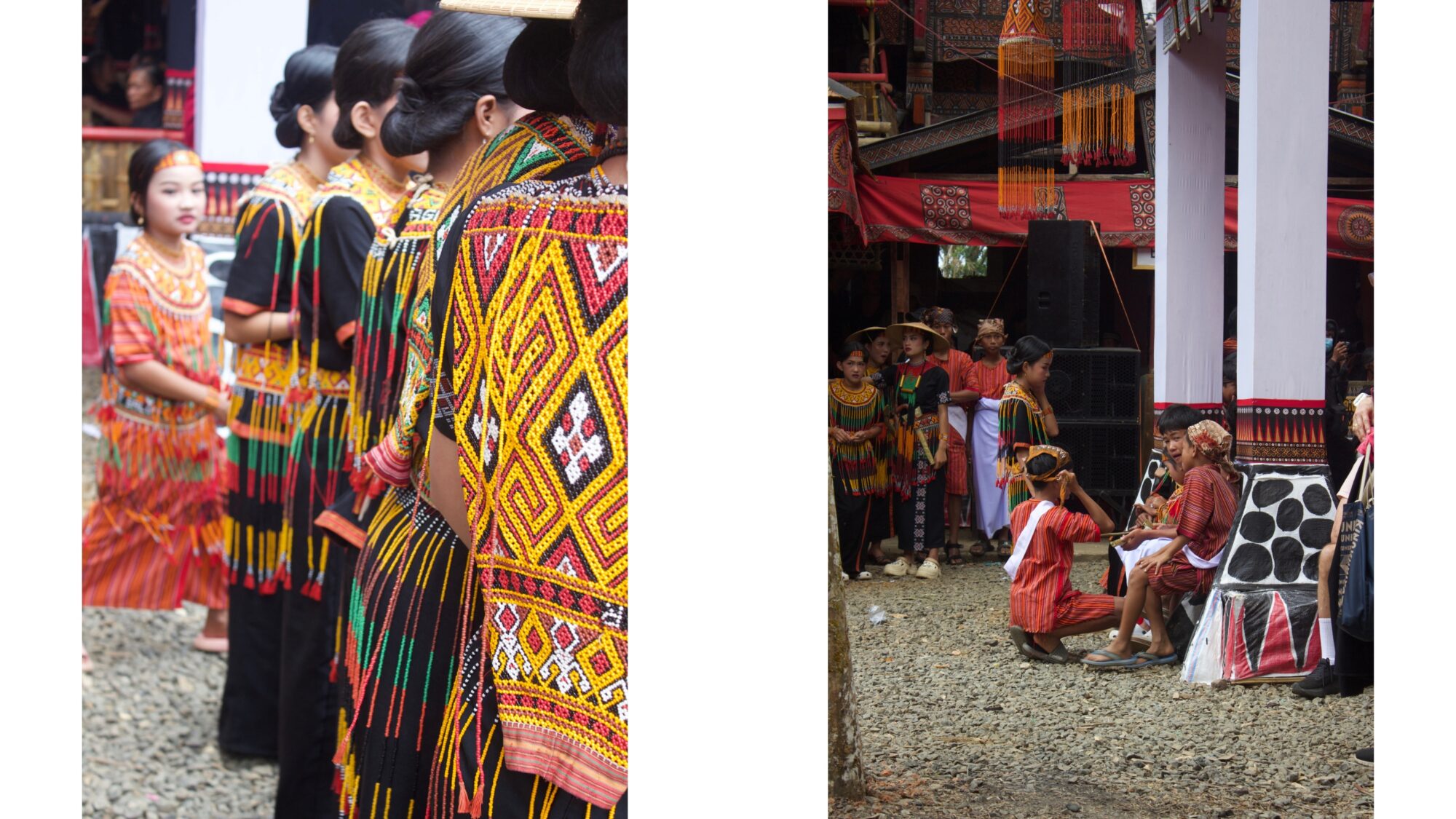
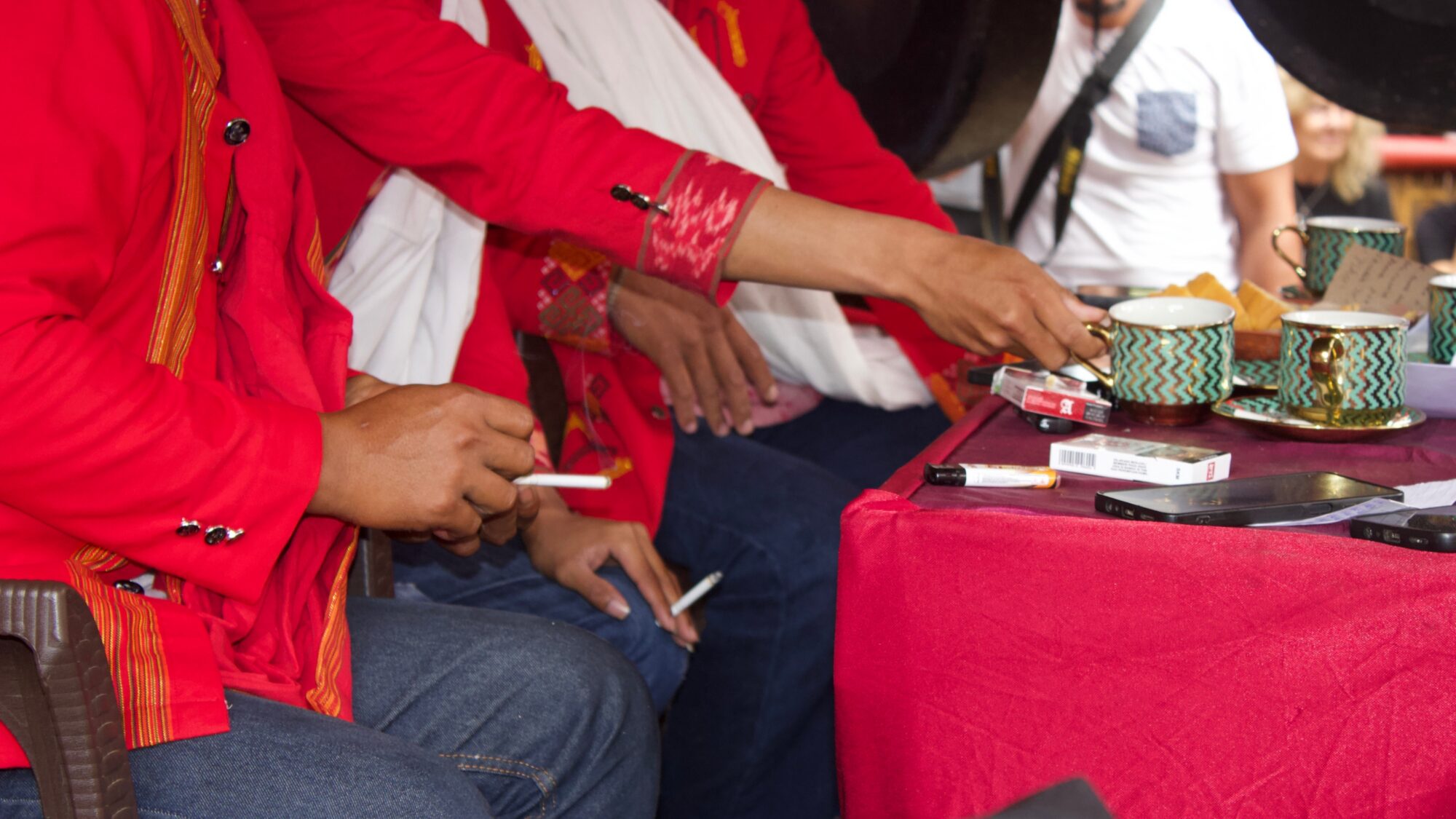
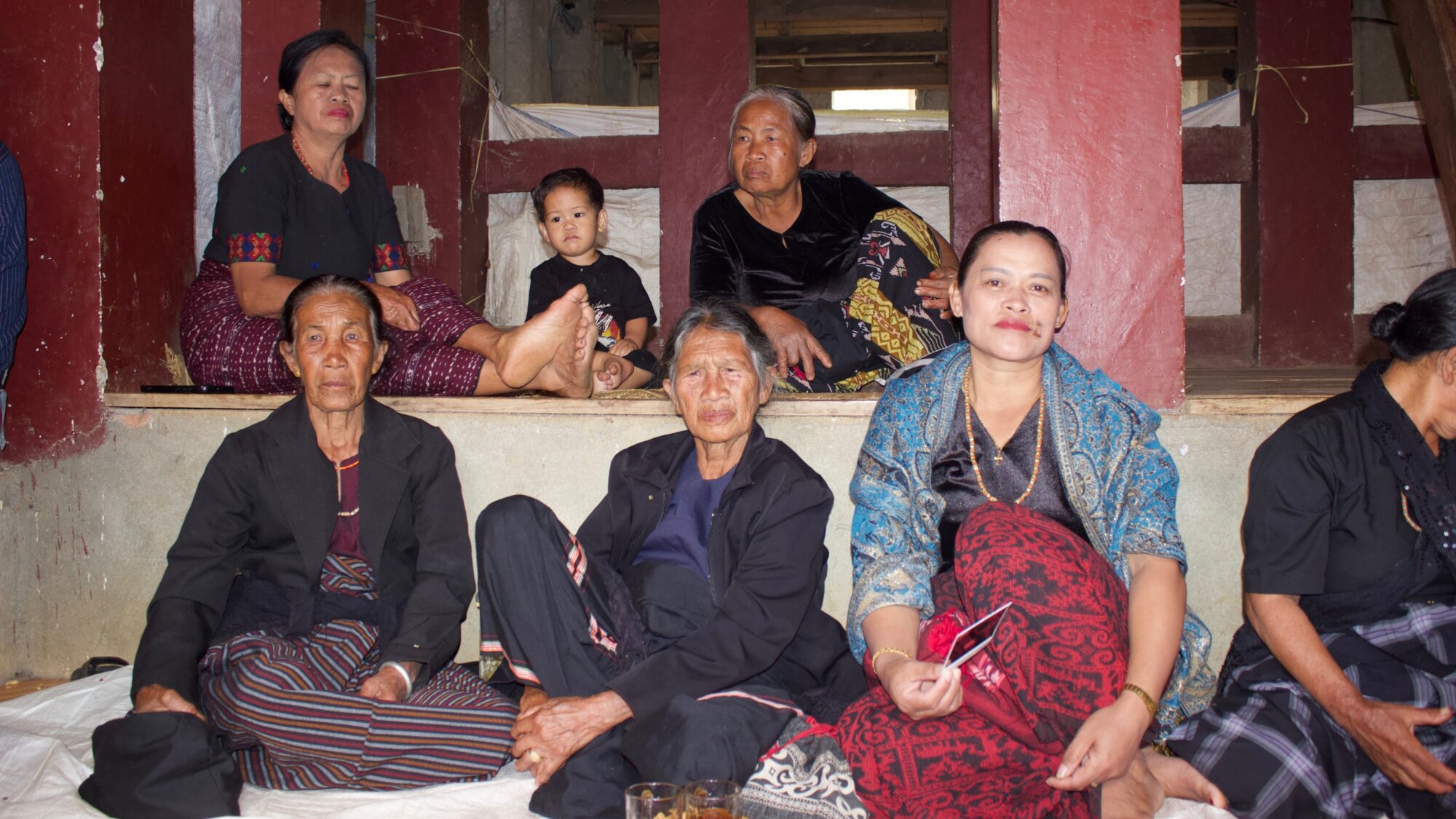
I was invited to sit and witness with the family. This, is a happy event, the time of grieving and immense effort to prepare the temporary structures, food and finances is over and now they celebrate their loved ones finally pass through to the afterworld. The event was not unlike a wedding as we know it in North America, where everyone is happy to have a reason to gather with family and friends from near and far. As always, it’s an honour to sit and observe – watching these different lives filled with the same love.
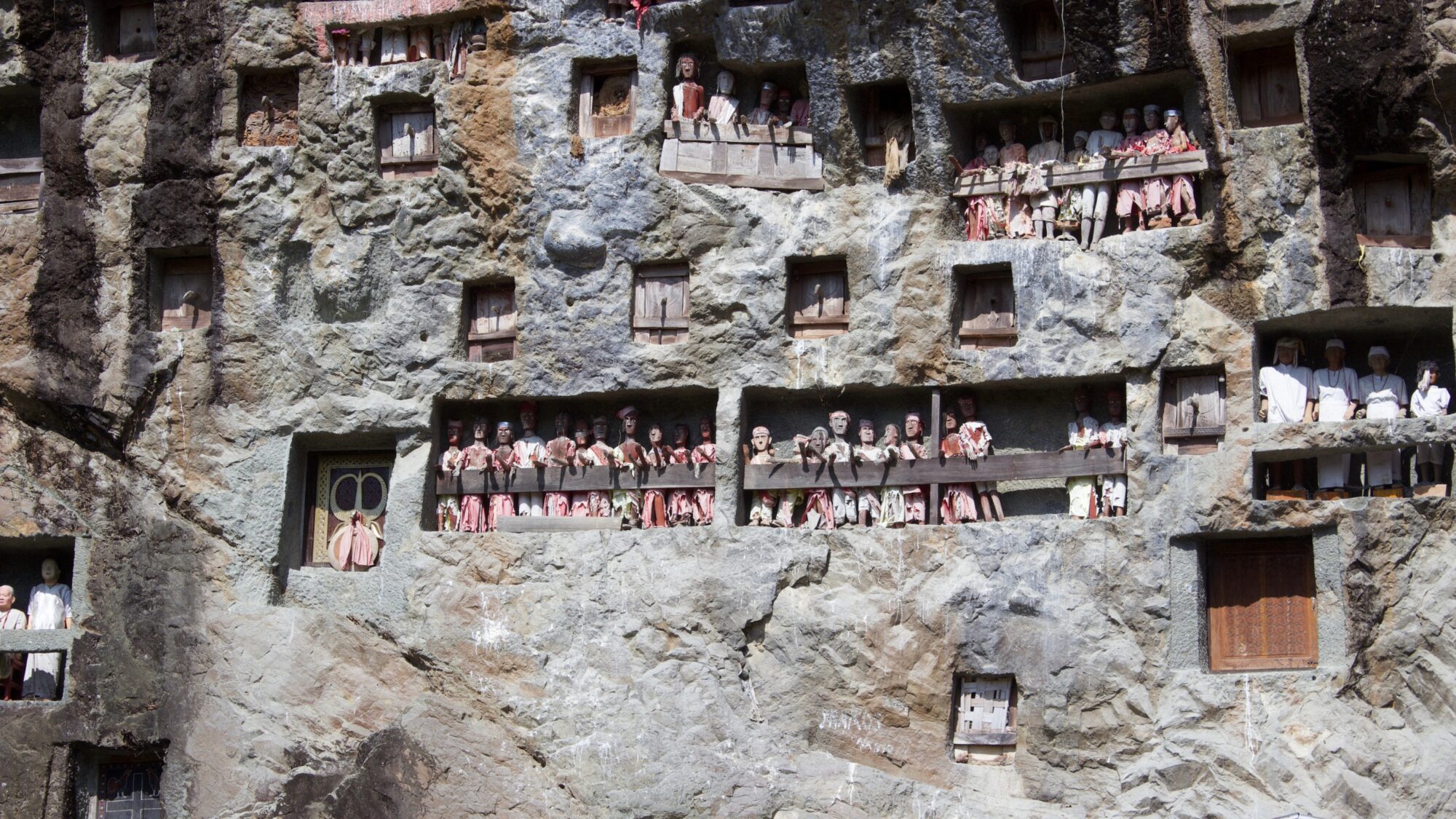
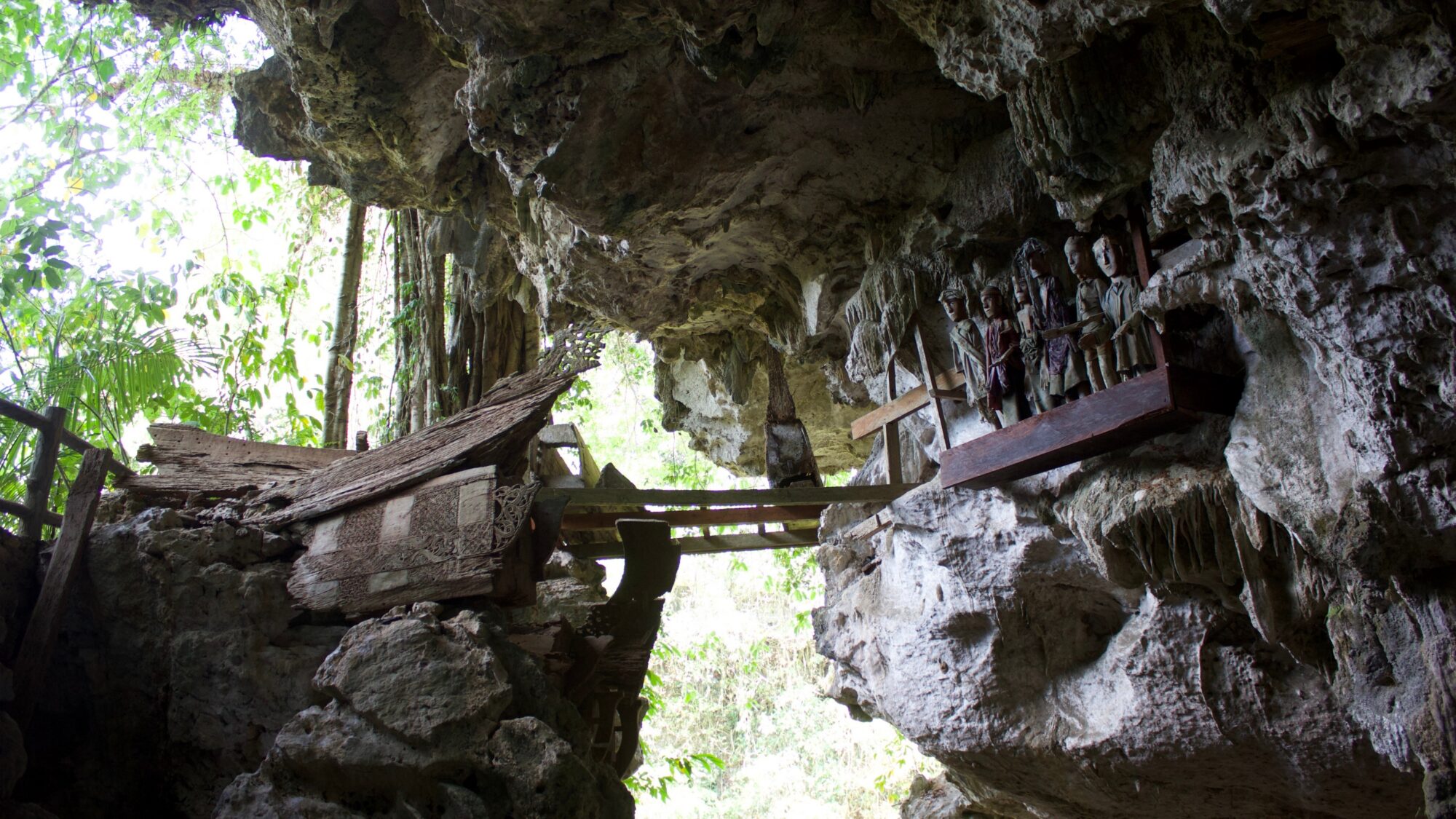
After the ceremony the dead are then moved to cliff graves. Holes are dug into the side of cliffs on gorgeous vistas, so the dead can still overlook their lands. Beautiful as they are. Every year the door to the graves are opened and remains of loved ones generation past are taken down and laid out for all to visit. Hundreds of dead are greeted by their family and friends, stories are told and new generations, babies and children, are introduced to 5 generations past. Wives hold husbands, children speak to their parents. The dead are redressed and returned to their resting place. Their “home with no smoke”.
The purpose of the traditions is honour, charity, connection and community. It is no small feat to prepare and fund such an event. It is their purpose, and much of their efforts – much of their lives it seems – revolves around it. Although I must be clear, these are practices and no longer rituals. Everyone is a devote Christian. When missionaries did eventually reach this nearly impenetrable land, it was decided that custom and religion would live together. I even saw the grave site of a Catholic Priest who died only a few years ago. He had requested he be buried in Torajan tradition.
Death, before, seemed to me like a cliff. A hard stop, the end of the road. But here it feels that Torajans have created this space that reaches into the afterlife and back again – a fluid state they can pass back and forth to. All of this, my guide tells me, is a story of love.
Death is our friend precisely because it brings us into absolute and passionate presence with all that is here, that is natural, that is love. – Rainer Maria Rilke.