The Path Between The Postcards
There is a particular image that comes to mind when a client mentions the South of France to me during an initial chat. A table overlooking the Mediterranean, a glass of rosé in the afternoon sun, a village of honey-coloured stone, perhaps a yacht or two in the harbour. It is an appealing image, and not an entirely inaccurate one. But it is only part of the story.
I recently set off on a research journey through the South of France with a fairly clear plan: to discover places, people and experiences that might inspire future Trufflepig trips. I had mapped out my route, arranged hotel visits, scheduled meetings with local guides and made a long list of places I wanted to explore. I knew, more or less, what I was looking for. What I hadn’t quite anticipated was how different the journey would turn out to be. Somewhere between the planned visits and the unexpected detours, I found myself discovering a region I thought I already knew, but was only just beginning to understand.
One of the things I love about this part of France is how quickly everything changes. Within a few hours, you can move between very different landscapes, traditions and ways of life. The architecture changes, the food changes, the accents change. Even the pace of a meal seems to follow a different set of rules. The South of France is not one destination, but multiple personalities sharing a rather enviable climate.
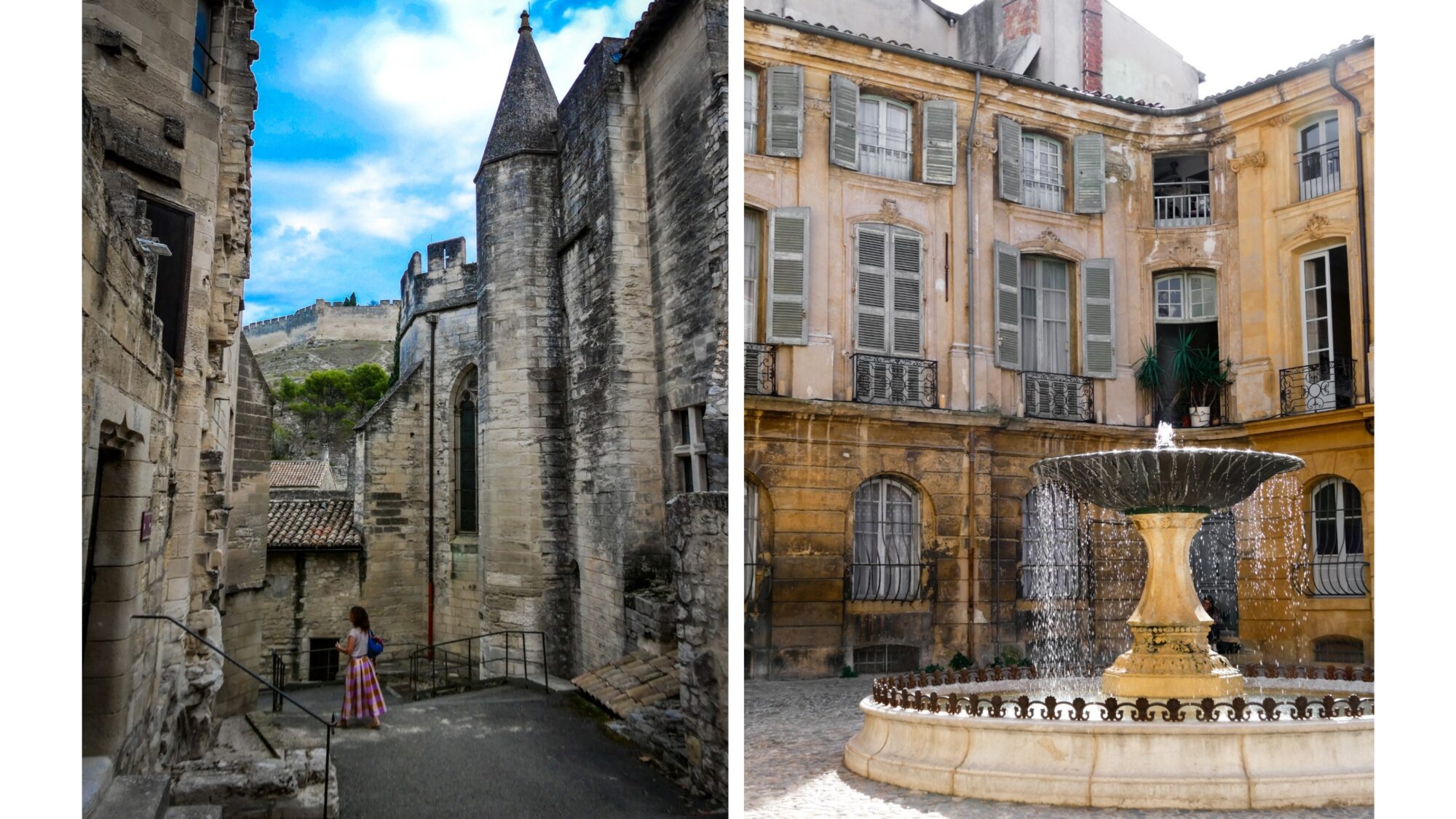
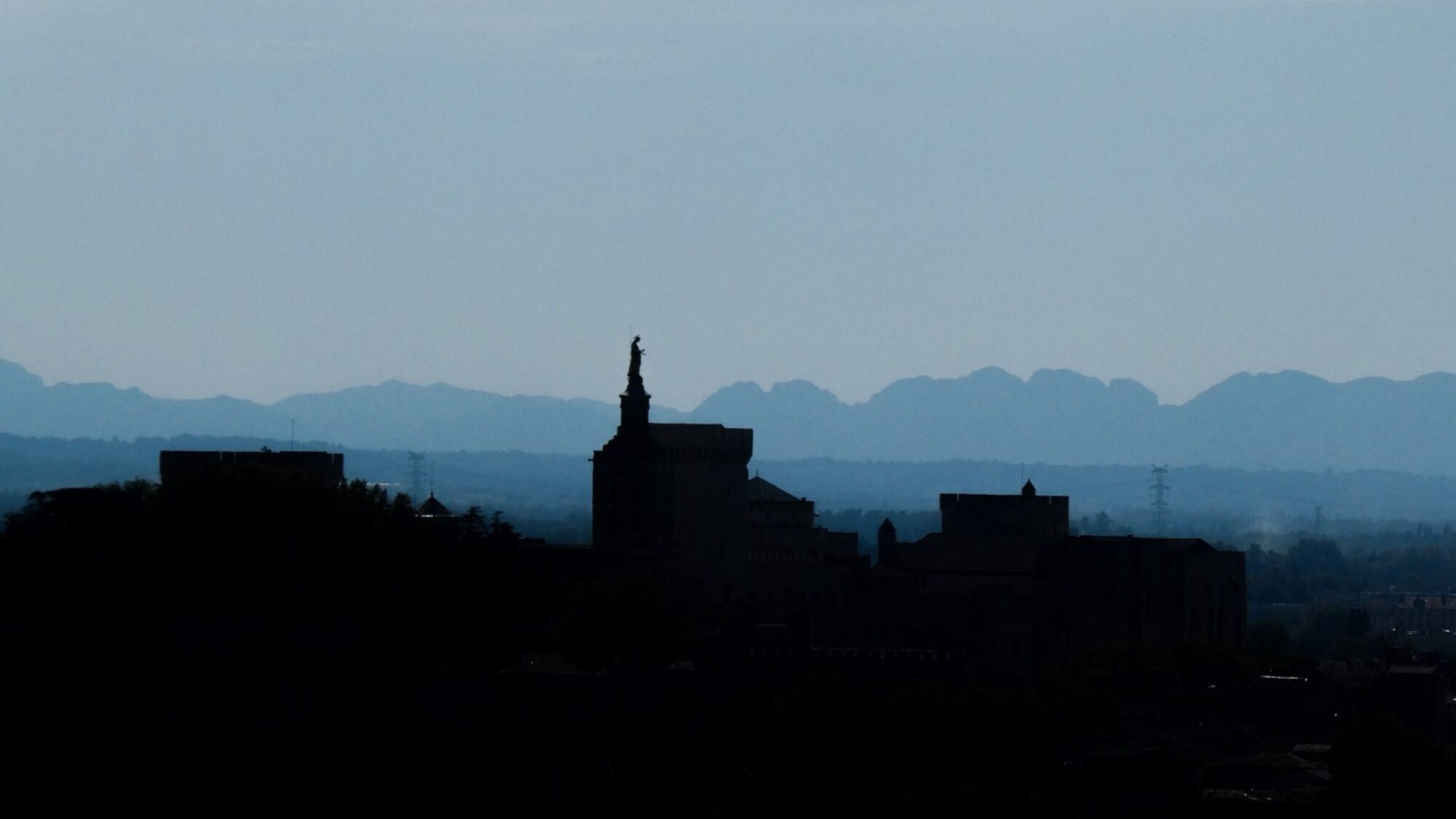
I began around Avignon, where the scale of the Palais des Papes is a reminder that this was once the centre of the Catholic world. Across the Rhône, in Villeneuve-lès-Avignon, things feel altogether more intimate. The old streets, handsome residences and peaceful gardens have a different charm, and the Chartreuse is one of those places that deserves far more attention. A former monastery, it is a fascinating world of cloisters, courtyards and quiet corners, just across the river from the bustle of Avignon.
Aix-en-Provence was my next stop. Elegant, lively and unmistakably Provençal, it is a city of fountains, shady squares, handsome townhouses and markets that make you want to buy far more than you can possibly take home. There is a certain art to living here: coffee in the morning, a long lunch, perhaps a little shopping, and an afternoon that does not need to be particularly productive. Cézanne’s presence is never far away, and the city’s artistic heritage feels as natural as its appetite for good food. Think olive oil, tapenade, calissons and the wonderful Mediterranean habit of making a meal last.
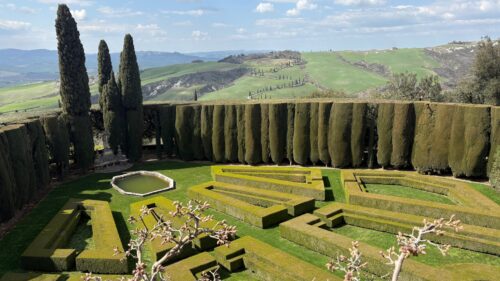
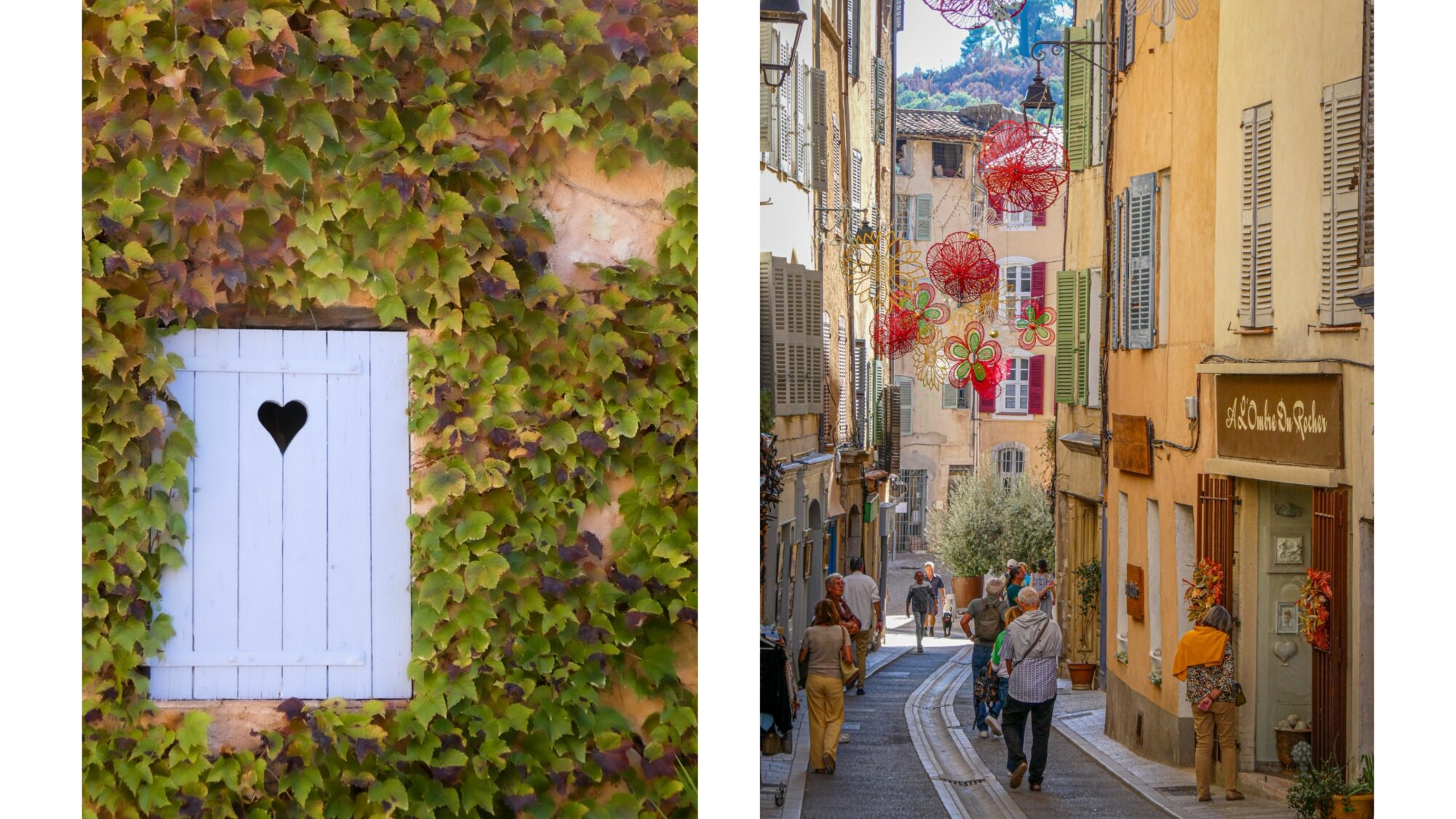
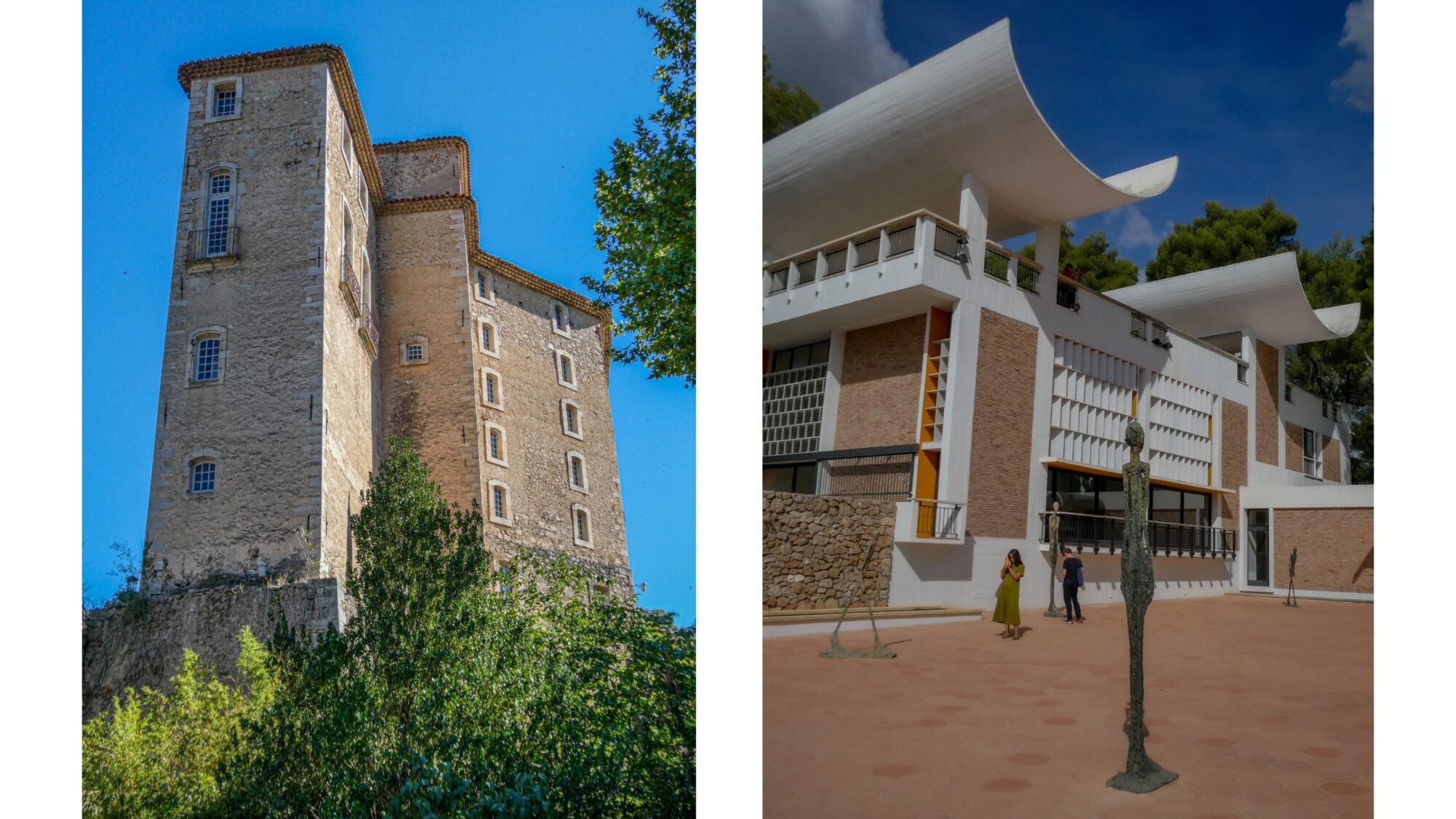
Further east, the landscape begins to change. Around Bandol and the villages of Le Castellet and La Cadière-d’Azur, the countryside becomes a patchwork of hills, pine trees, small roads and terracotta rooftops. These villages are beautiful without feeling overly polished. There are little squares where locals gather to play pétanque, old stone houses, narrow streets and views that make you stop the car more often than planned.
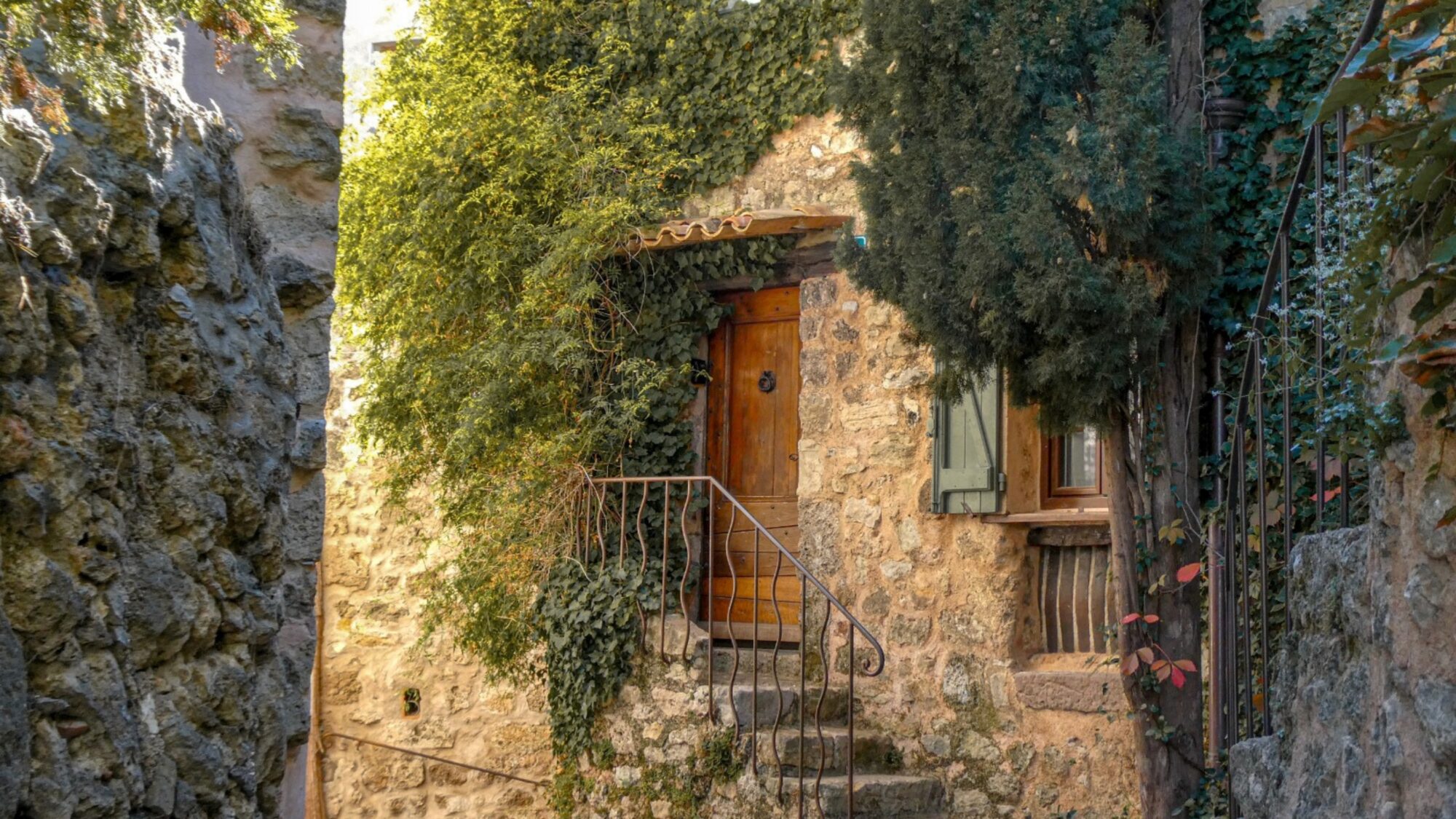
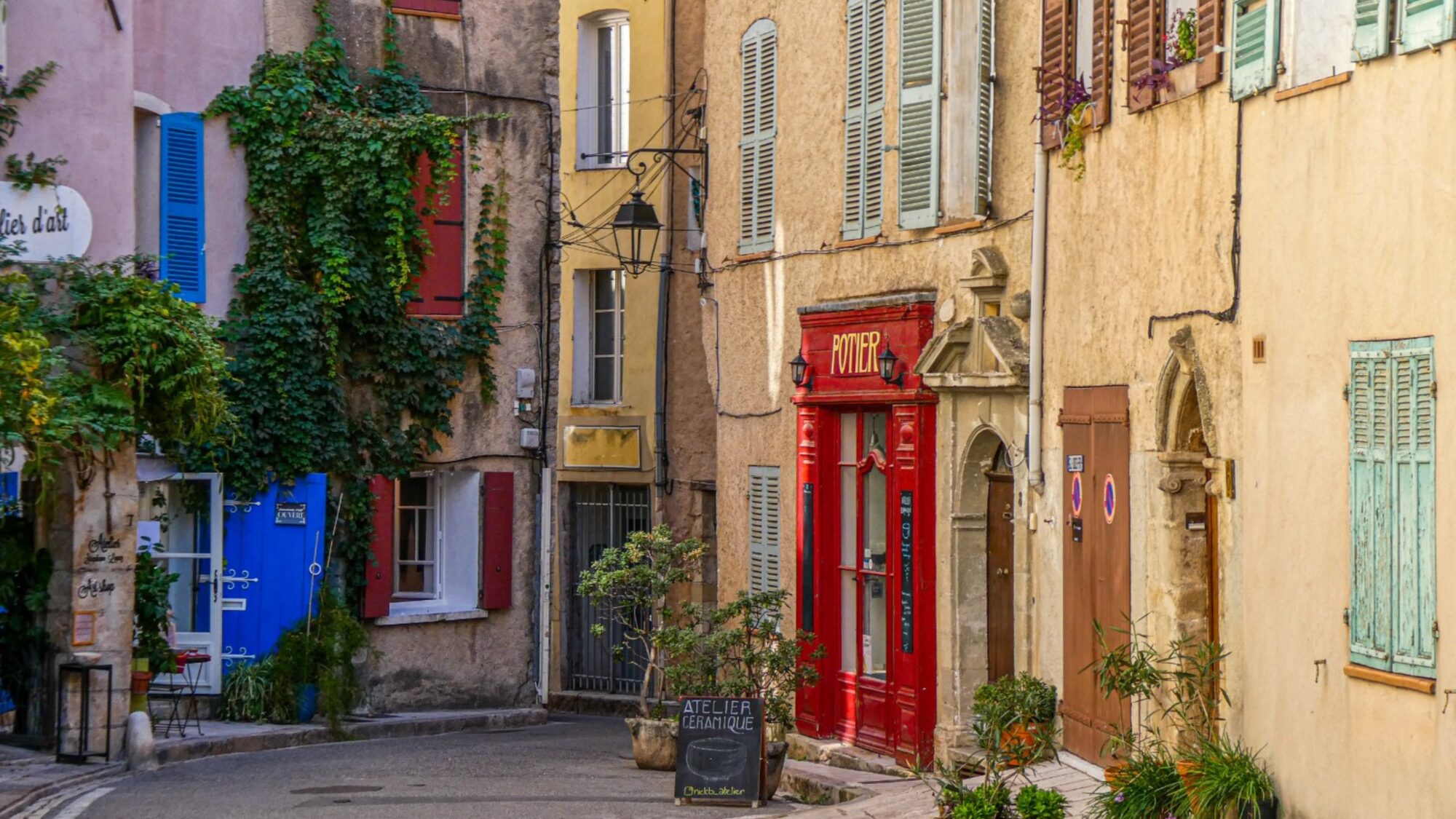
The further I travelled into the Var, the more rural Provence became. Here, the rhythm is different again. The countryside opens up into forests, hills, country estates and villages that seem to have been left happily undisturbed. Places such as Cotignac, Lorgues and the surrounding villages are worth exploring slowly, ideally with enough time to stop for lunch or simply wander without a particular destination. The markets are full of local products, the food becomes more rooted in the countryside, and the Mediterranean remains present without dominating everything.
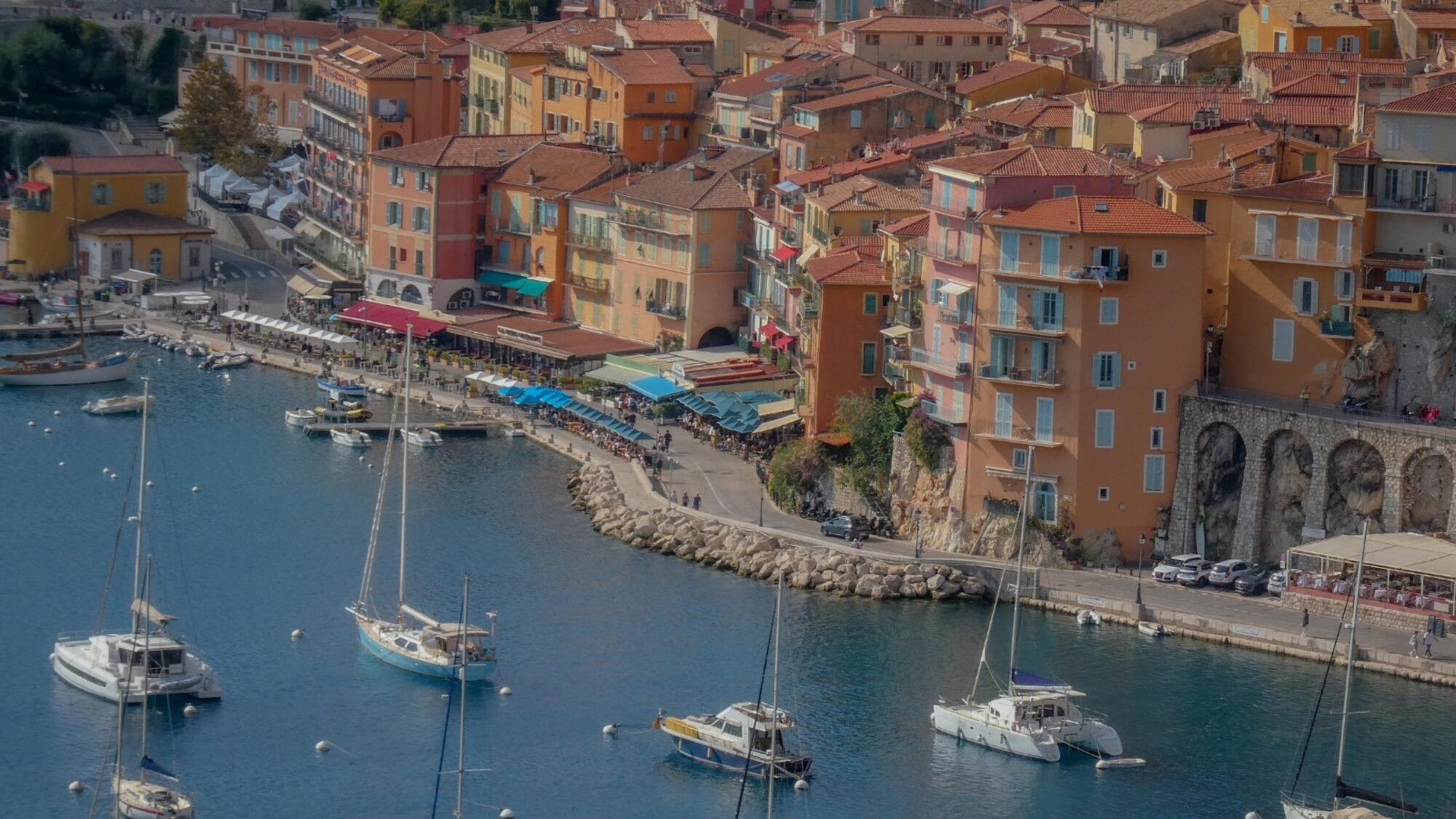
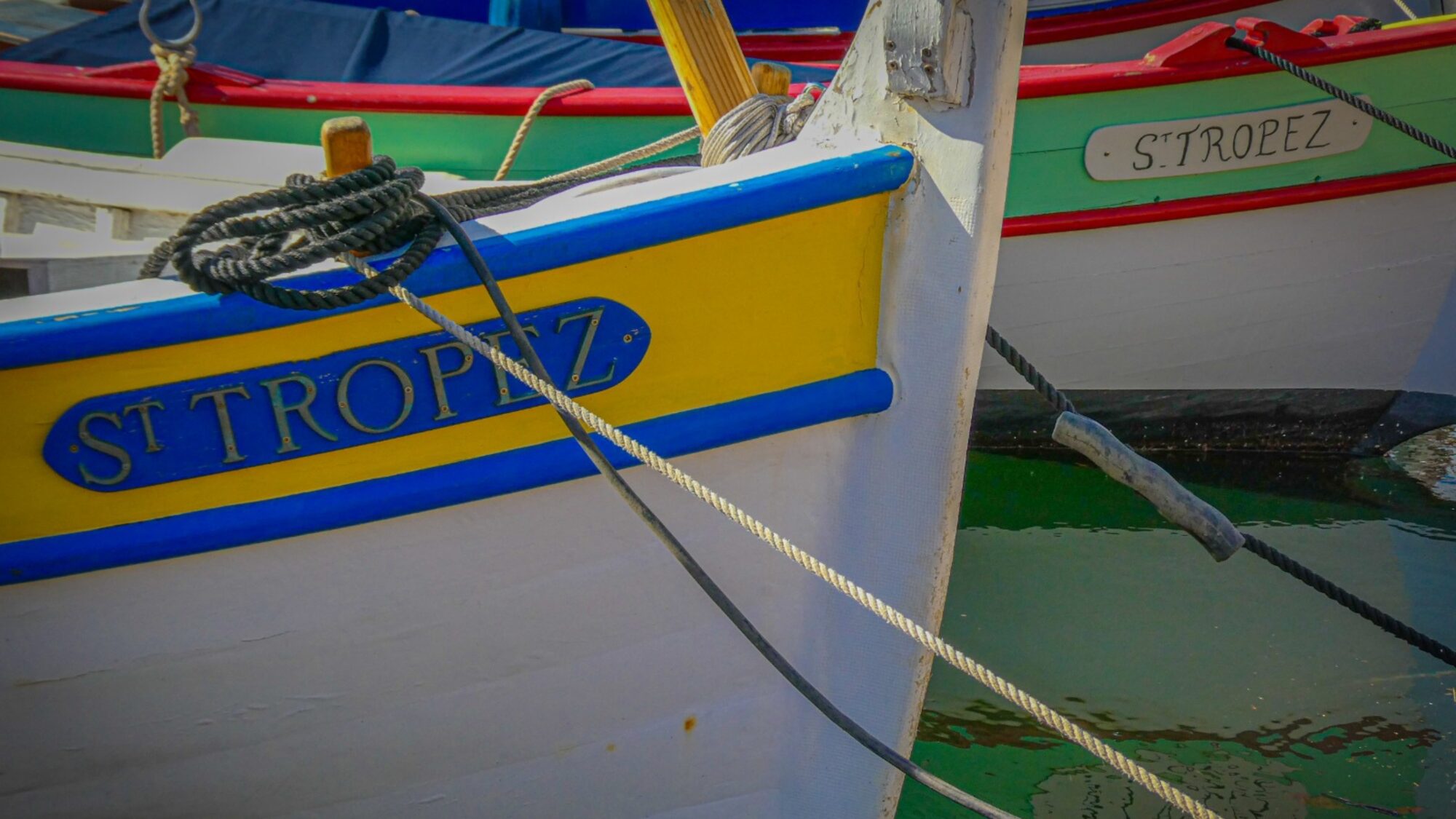
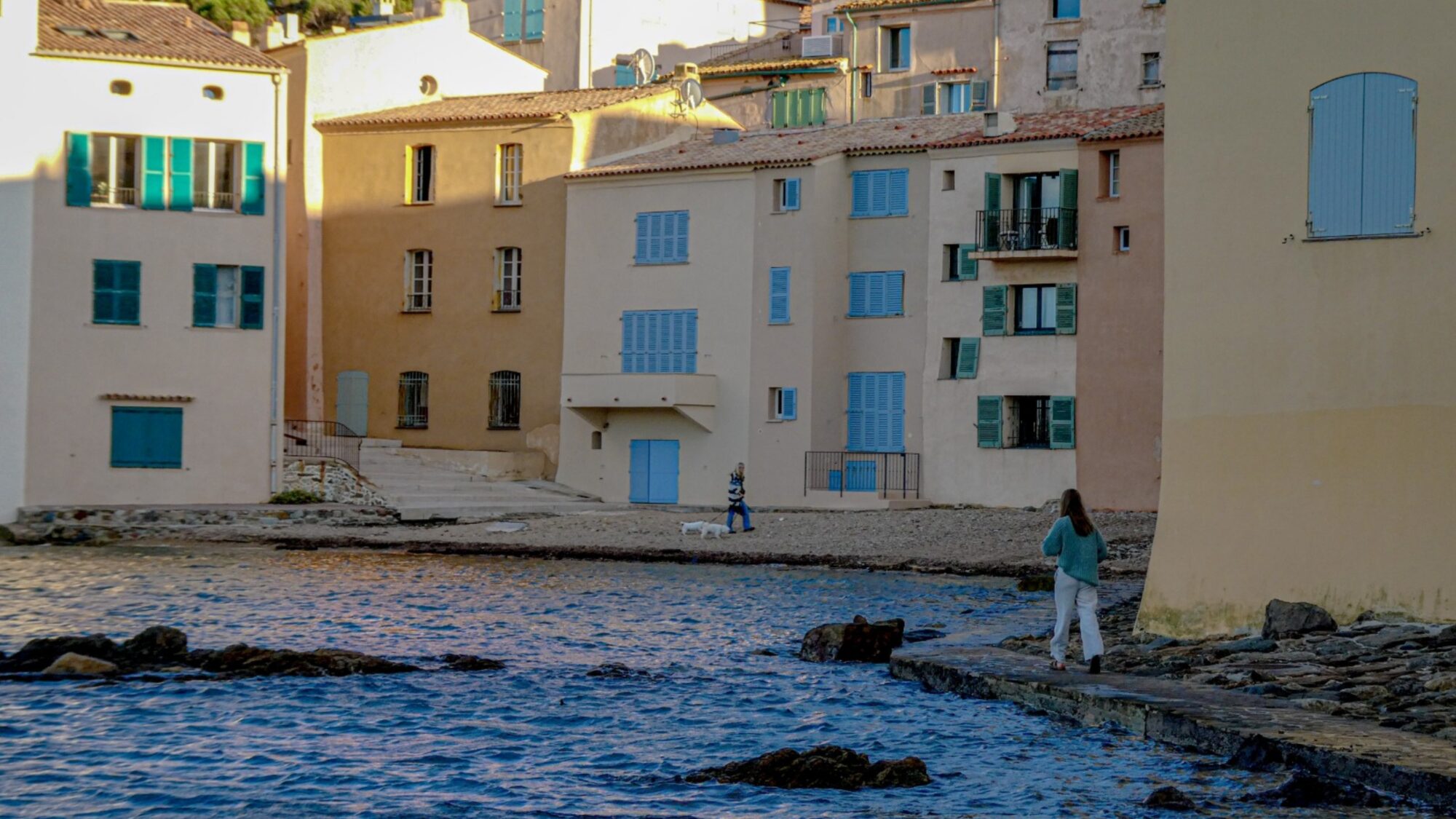
Then comes Saint-Tropez, which hardly needs an introduction. Its reputation is well established: yachts, beach clubs, beautiful people and a harbour that has become something of an international stage. Yet, despite its international fame, Saint-Tropez has managed to hold on to something rather special: a genuine village spirit. Behind the glamour, generations of local families still live here, run their businesses, open up their shops every morning, meet in the same cafés and remain very much part of the community. The village doesn’t simply come to life with the summer crowds; there is a local rhythm that continues throughout the year, long after the beach clubs have closed and the yachts have sailed away. Perhaps this is what makes Saint-Tropez so appealing: it has become a world-famous destination without entirely losing the soul of the fishing village it once was.
I was just as interested in what lies beyond the harbour. The surrounding countryside is full of character, with beautiful villages, country lanes, old stone farmhouses and discreet corners that offer a completely different perspective on this famous stretch of coastline.
Gassin, Ramatuelle and Grimaud are particularly lovely places to explore. Perched above the coastline, they offer narrow cobbled streets, little squares, flower-covered houses and wonderful views. Each has its own character, from Gassin’s panoramic terraces to Ramatuelle’s winding medieval lanes and Grimaud’s castle ruins overlooking the Gulf of Saint-Tropez. They are a reminder that this famous seaside destination is also part of a much older Provençal landscape. A morning spent wandering through these villages can be just as rewarding as an afternoon on the beach.
And then, of course, there is the glittering Riviera.
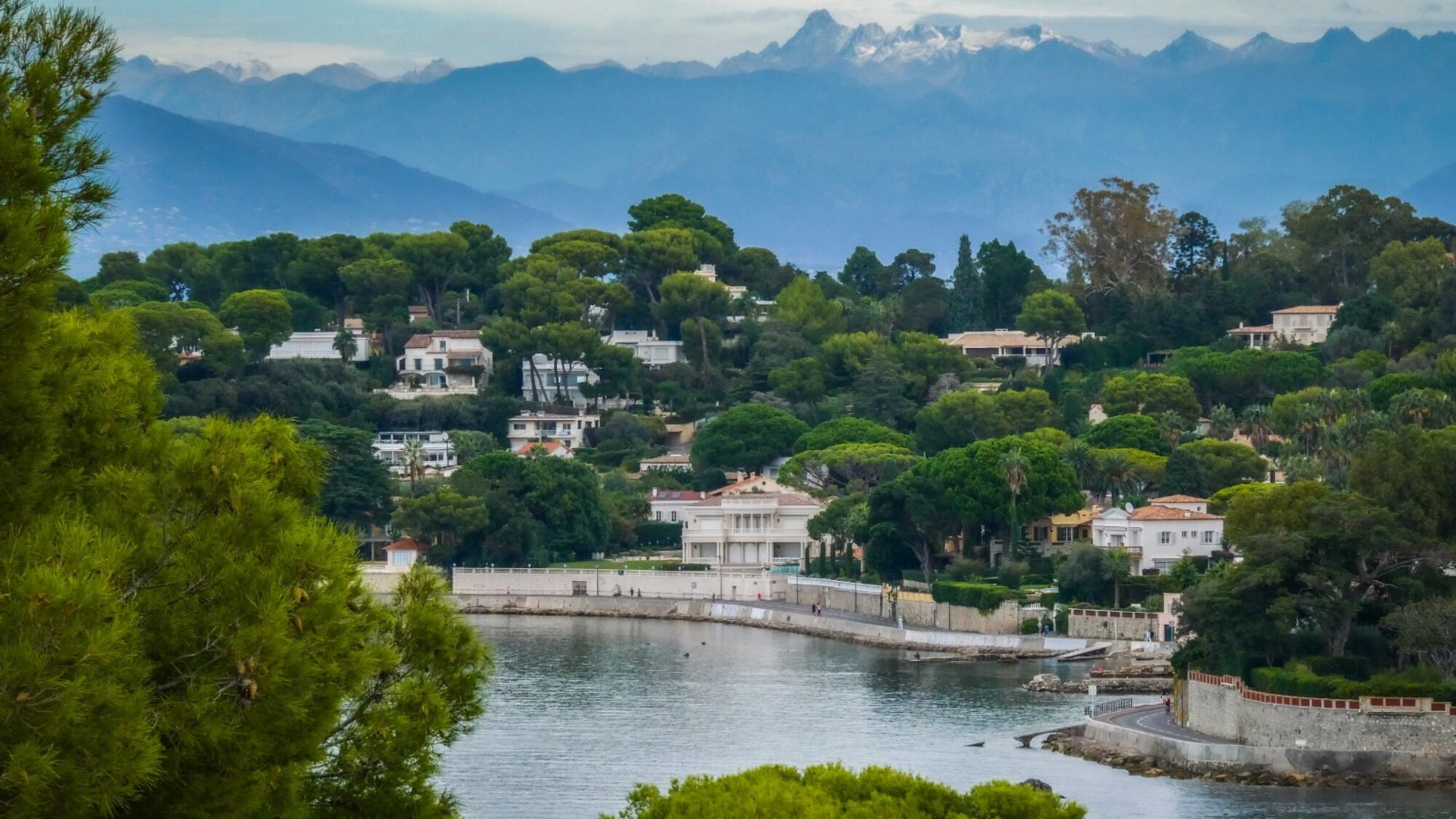
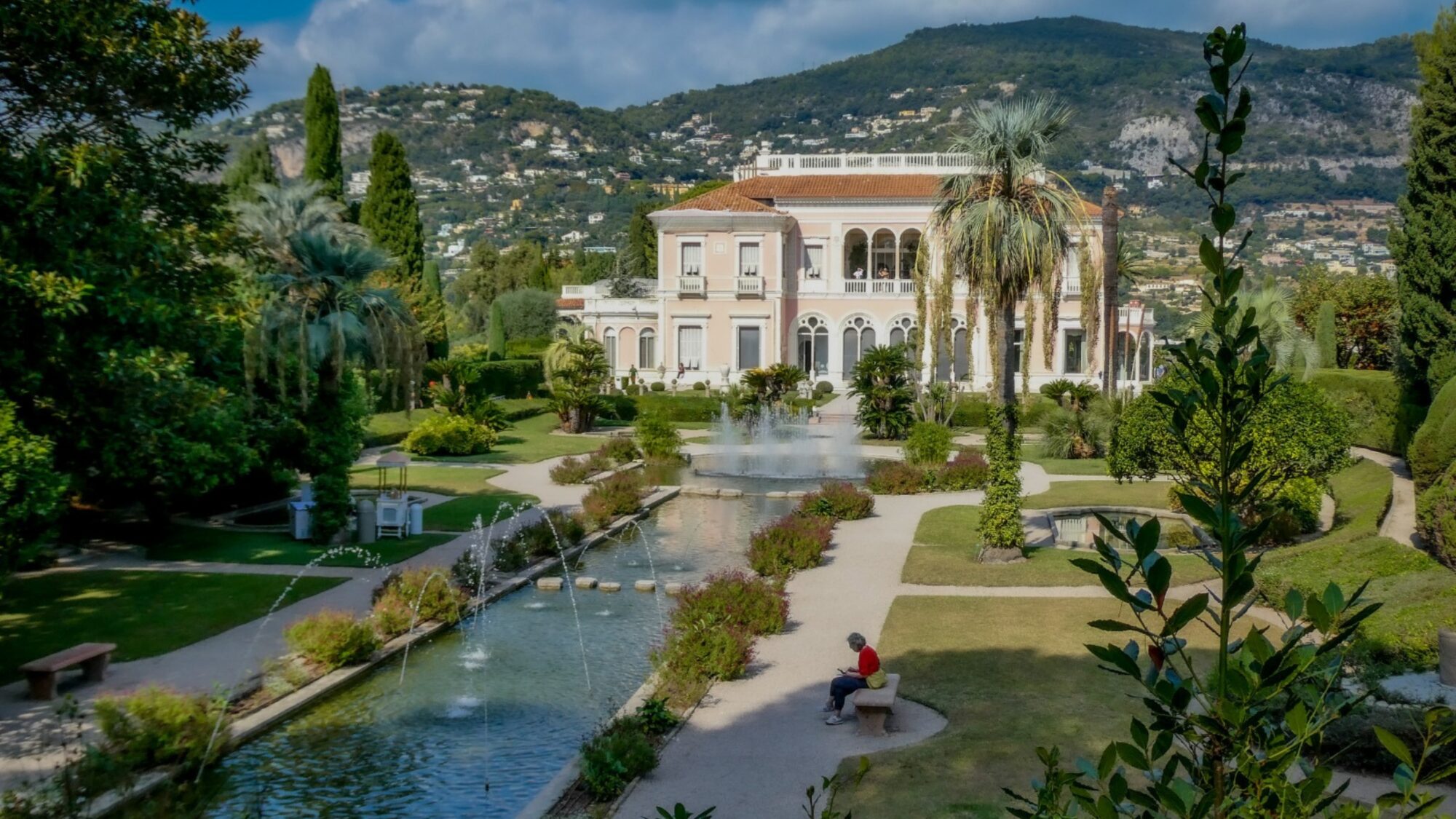
Cannes, Antibes and Nice each have their own character. Cannes has its grand hotels and festival glamour, but behind the famous Croisette lies Le Suquet, the old quarter, with its winding streets and more local atmosphere. Antibes has a softer, more artistic feel, with its old ramparts, Picasso Museum and beautiful Cap d’Antibes. The architecture tells stories of another era, when wealthy families came here to build extraordinary villas and spend their winters by the sea.
Nice, however, surprised me most.
I had been exploring the old town when I got a little lost. Rather than finding my way back immediately, I decided to keep wandering. Suddenly, the busy streets gave way to a much quieter corner of the city. Narrow lanes, plants spilling from balconies, laundry hanging from lines outside windows, neighbours chatting across the street. It felt almost like a village community hidden inside the city. There was nothing particularly spectacular to see, and that was precisely what made it so lovely. For a moment, I had the feeling of discovering how people actually live here, rather than simply visiting somewhere beautiful.
Nice is also quite different from the rest of Provence. Its Italian and Ligurian influences are everywhere, from the architecture and the language to the food. Socca, pissaladière, petits farcis and the local use of olive oil and anchovies tell a different culinary story from that of Aix or the Var. Even the local accent has its own musicality. The city feels unmistakably French, but with a distinctly Italian soul.
This variety is one of the pleasures of travelling through the region. Around Avignon and Aix, the historical legacy is palpable, from Roman remains to papal architecture and the artistic world of Cézanne. Further east, the Mediterranean and Italian influences become stronger, with Ligurian flavours, Belle Époque villas and a more cosmopolitan atmosphere. Between them, the Var and its countryside offer a quieter, more deeply rural version of Provence.
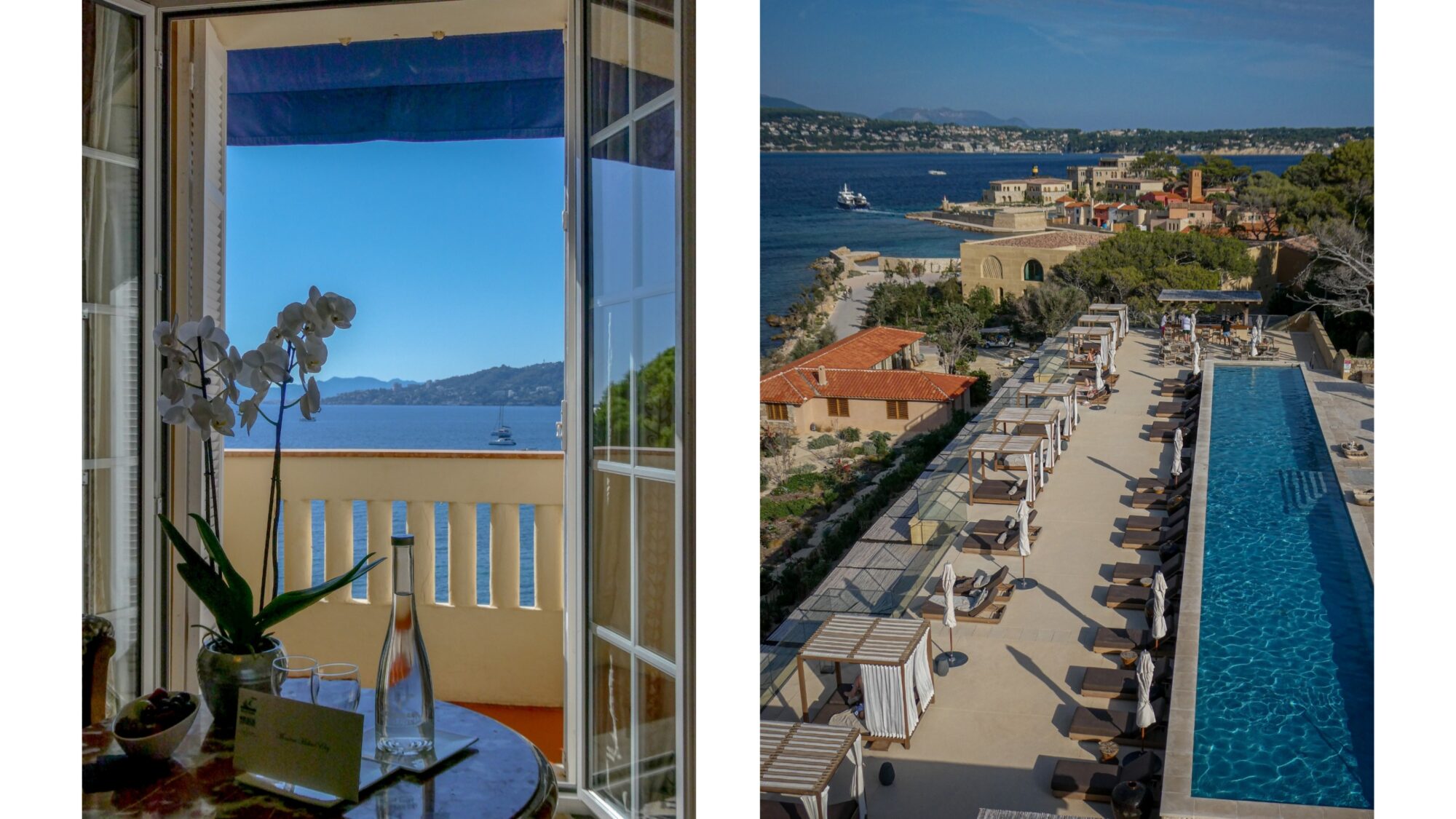
Of course, a journey like this is also about where you stay. I had the pleasure of visiting some wonderful properties along the way, but what interested me most was the way each seemed to tell a different story about the South of France.
Some are tucked into historic buildings where traces of another life remain visible in the stone walls, courtyards and old gardens. Others recall the Riviera of a century ago, when artists, writers and adventurous travellers first made this stretch of coast their own. There are places where the glamour is still part of the atmosphere, and others where luxury feels quieter, shaped by the surrounding countryside, the architecture and the particular rhythm of life in Provence.
I found myself curious about what lay behind the beautiful façades. What had these buildings been before they became places to stay? Who had lived here, and what stories had passed through their doors? Often, the most memorable details came not from the rooms themselves, but from conversations with the people who know these places intimately. A story about a former owner, a detail in the architecture, or the way someone spoke about the surrounding village could suddenly bring a property to life.
That personal connection is something we value enormously at Trufflepig. Over time, we get to know the people behind the places, and those relationships can open doors to a more meaningful experience of a destination. A hotel becomes more than somewhere beautiful to spend the night; it becomes part of the story of the journey.
And just when I thought I had a feel for the region, the landscape changed again. By the time I reached the villages inland from the coast, I was reminded that the South of France has another surprise in store: it is not all about the sea. The Gorges du Loup, the dramatic landscapes around Moustiers-Sainte-Marie and the villages of the Verdon offer a completely different setting. Here, the roads wind through mountains, the air feels cooler, and the scenery is more rugged. It is a side of the region that many visitors never associate with the Riviera, but one that deserves a place on any itinerary.
Looking back, what I enjoyed most about this journey was not any single hotel, village or famous landmark. It was the constant change of atmosphere, and the small discoveries in between. A chapel hidden in the trees, a village square at lunchtime, a quiet street in Nice, an unexpected conversation, or the story behind a beautiful old building.
The South of France is very good at rewarding curiosity. You can come for the sunshine, the sea and the famous names, but it is often the places a little further along the road, or just beyond the familiar view, that stay with you longest.