The Garden Act: Nature and Nurture in the Tuscan Landscape
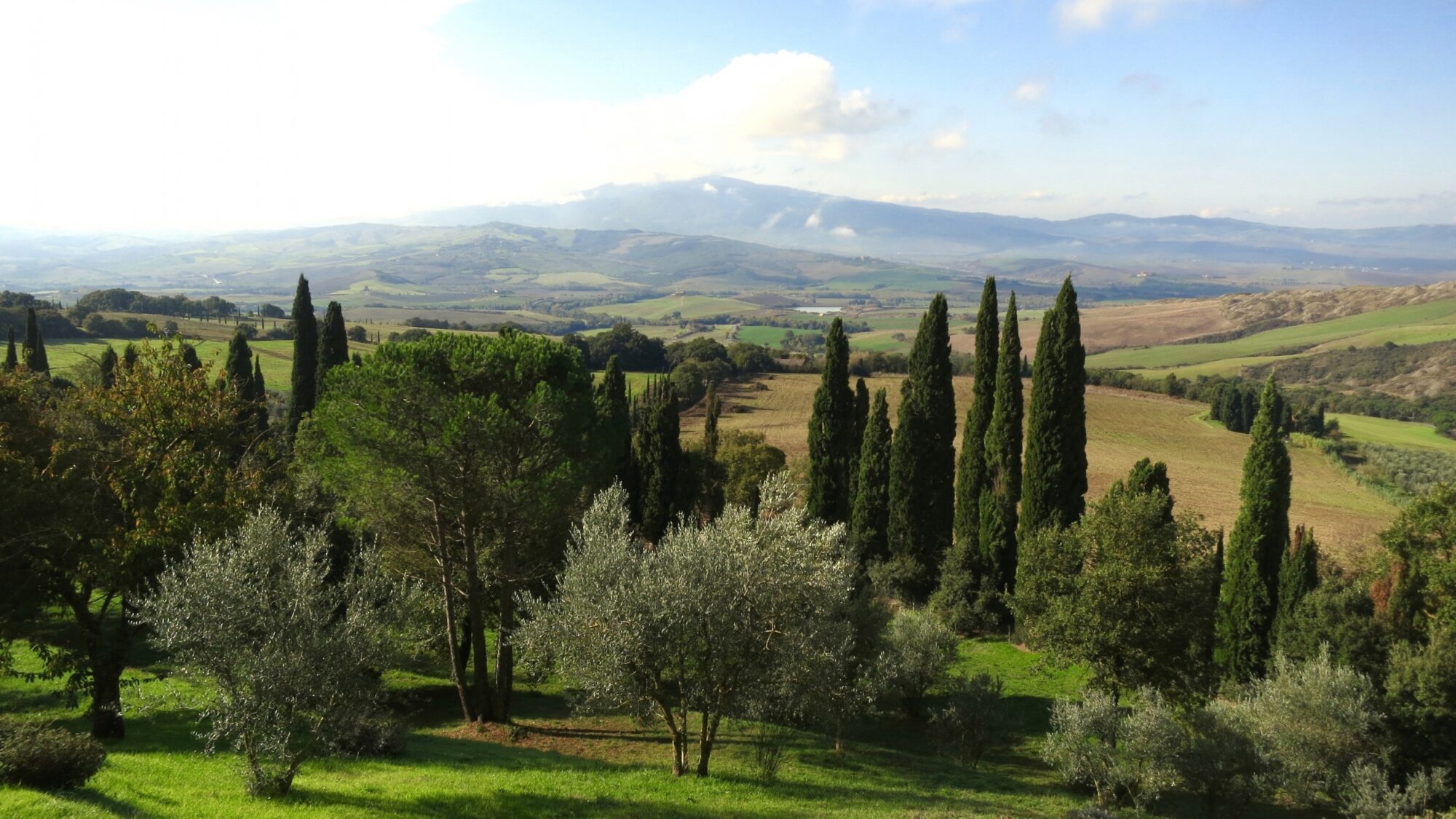
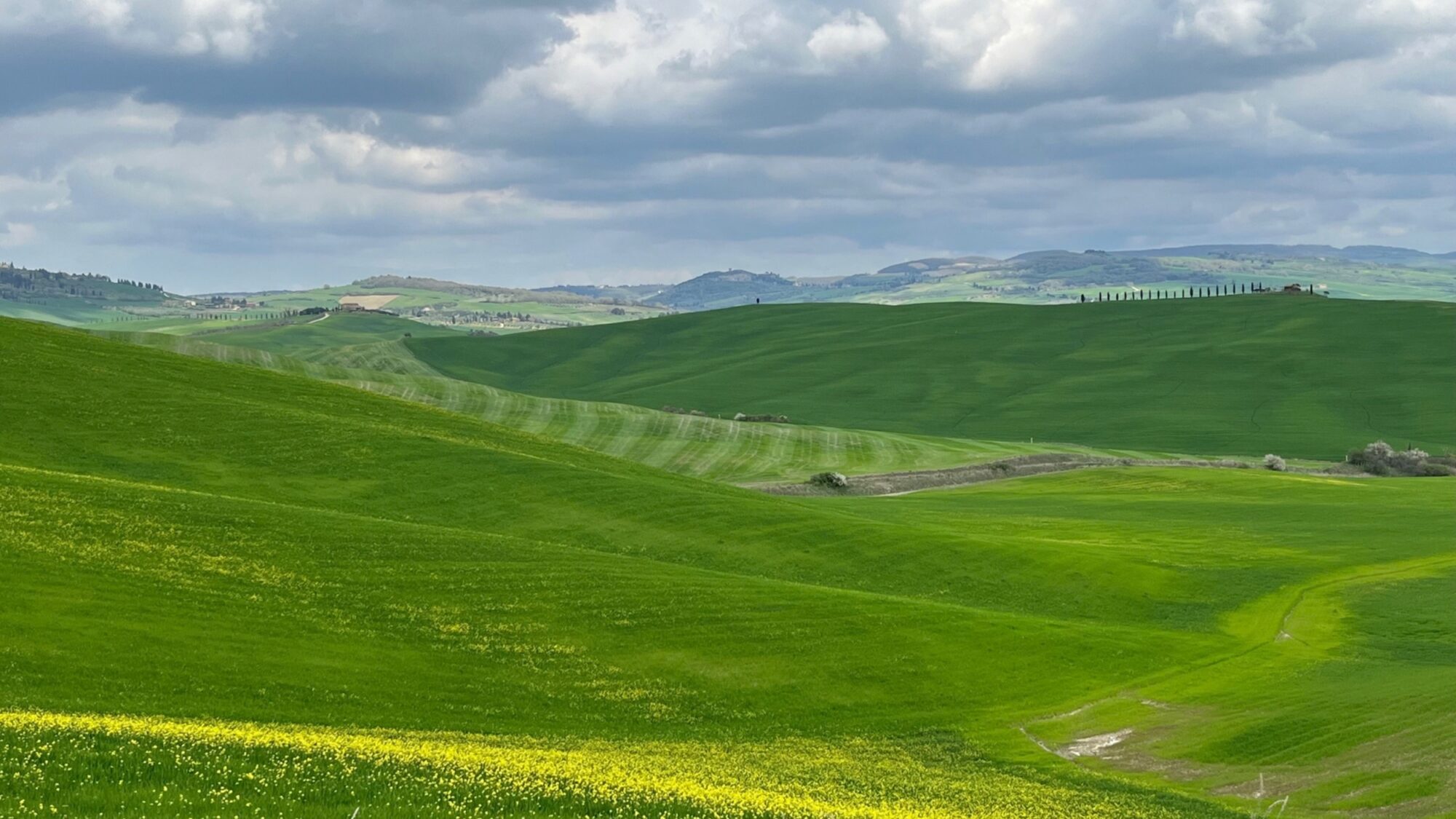
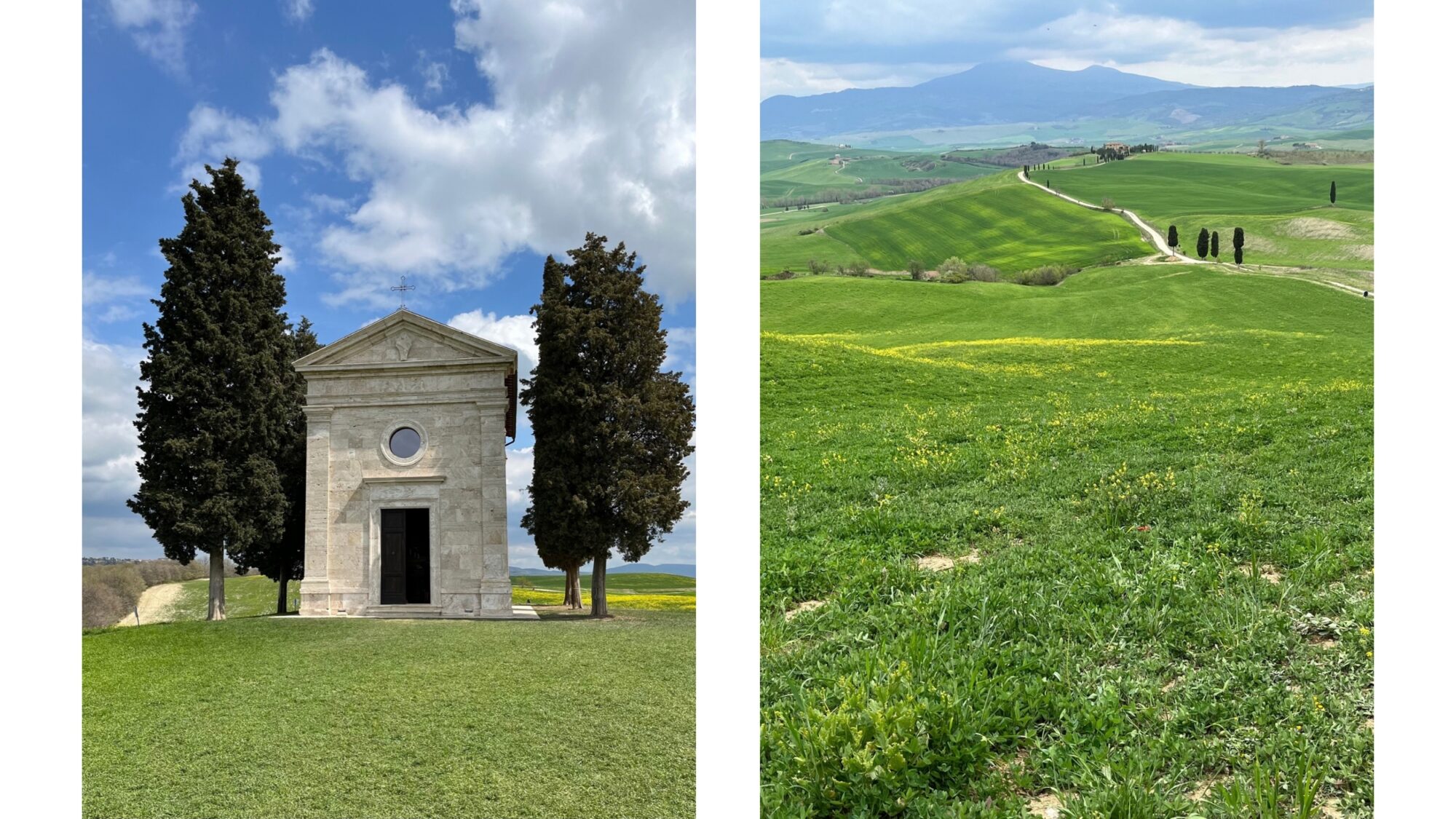
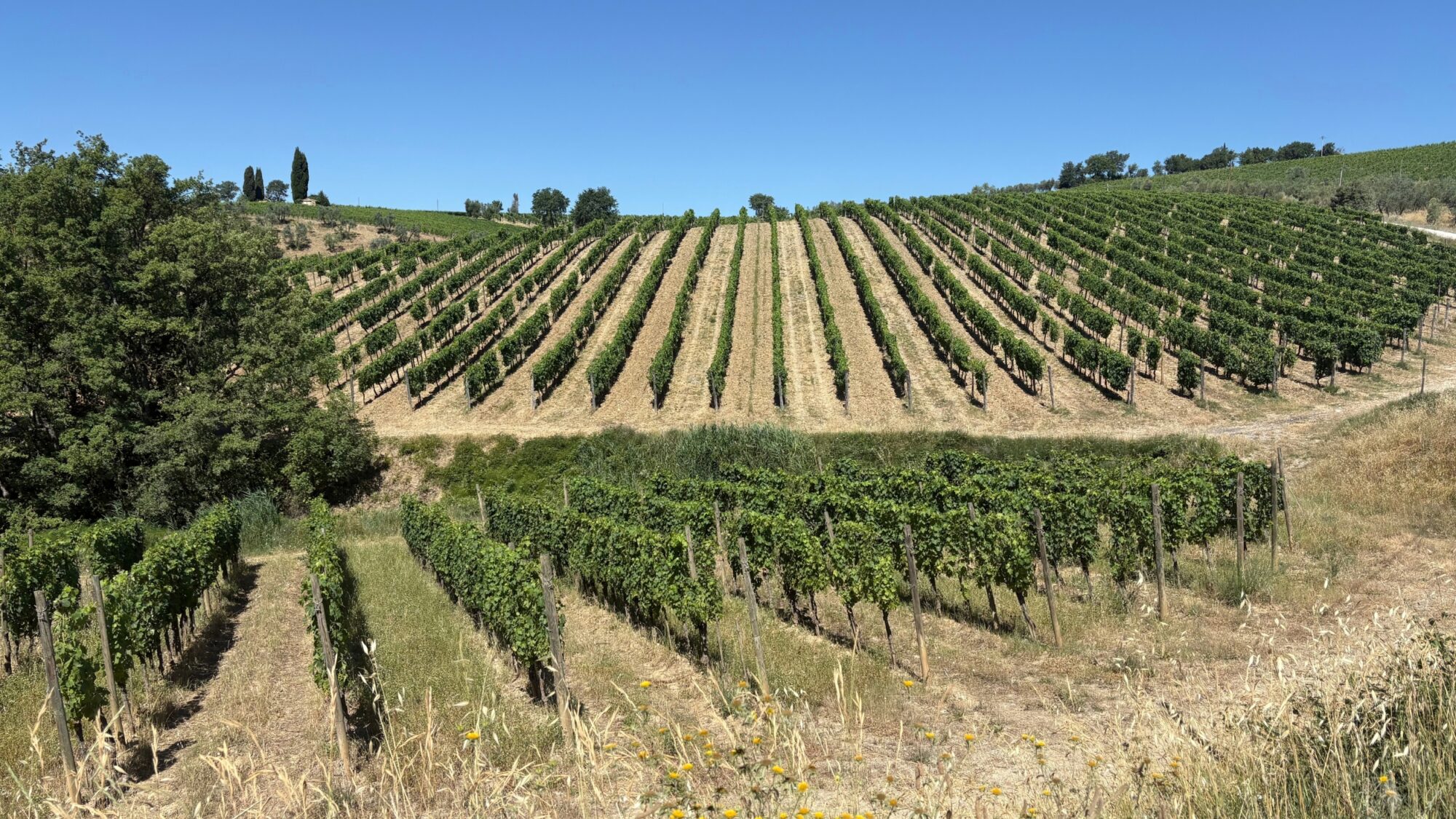
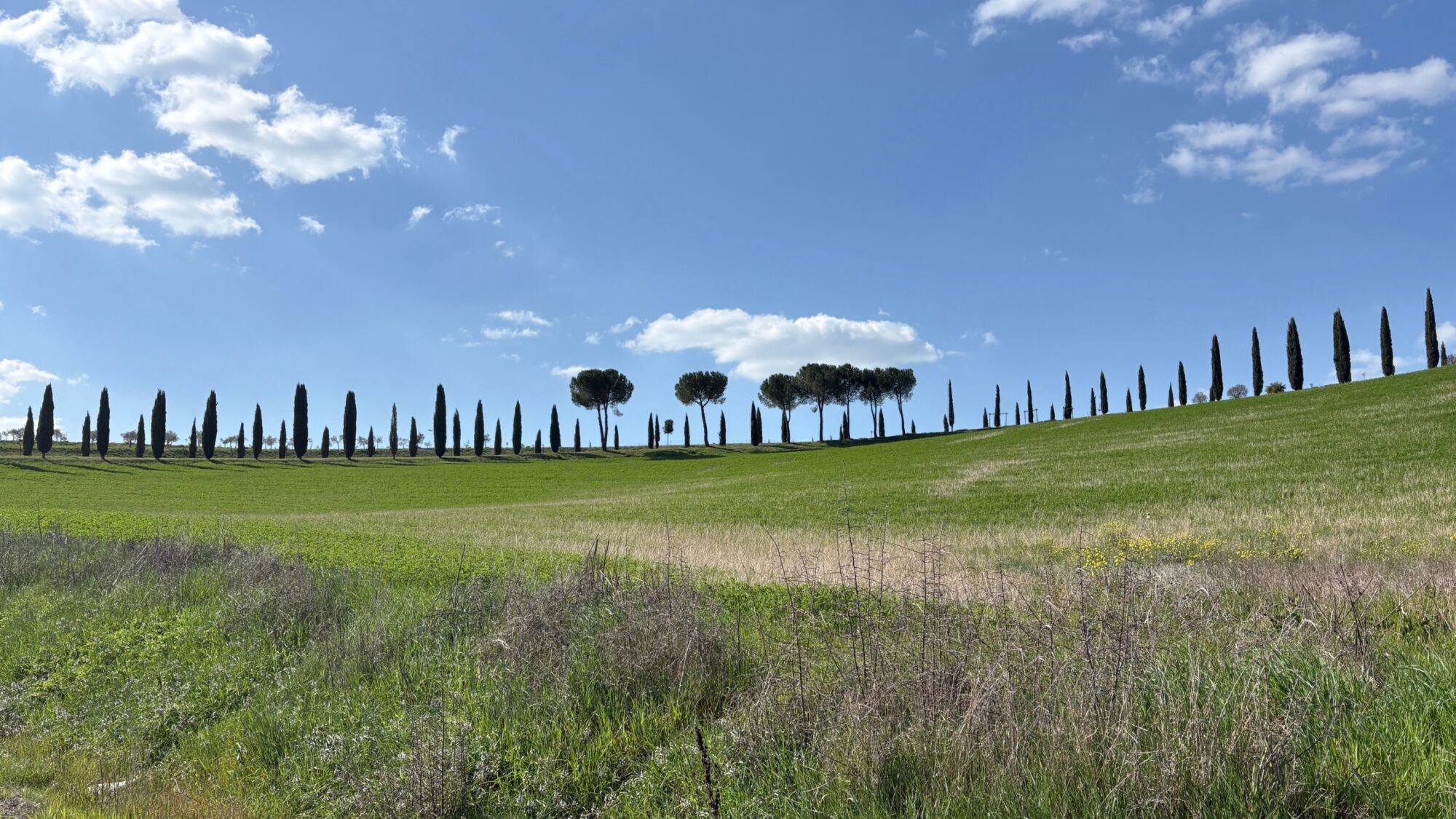
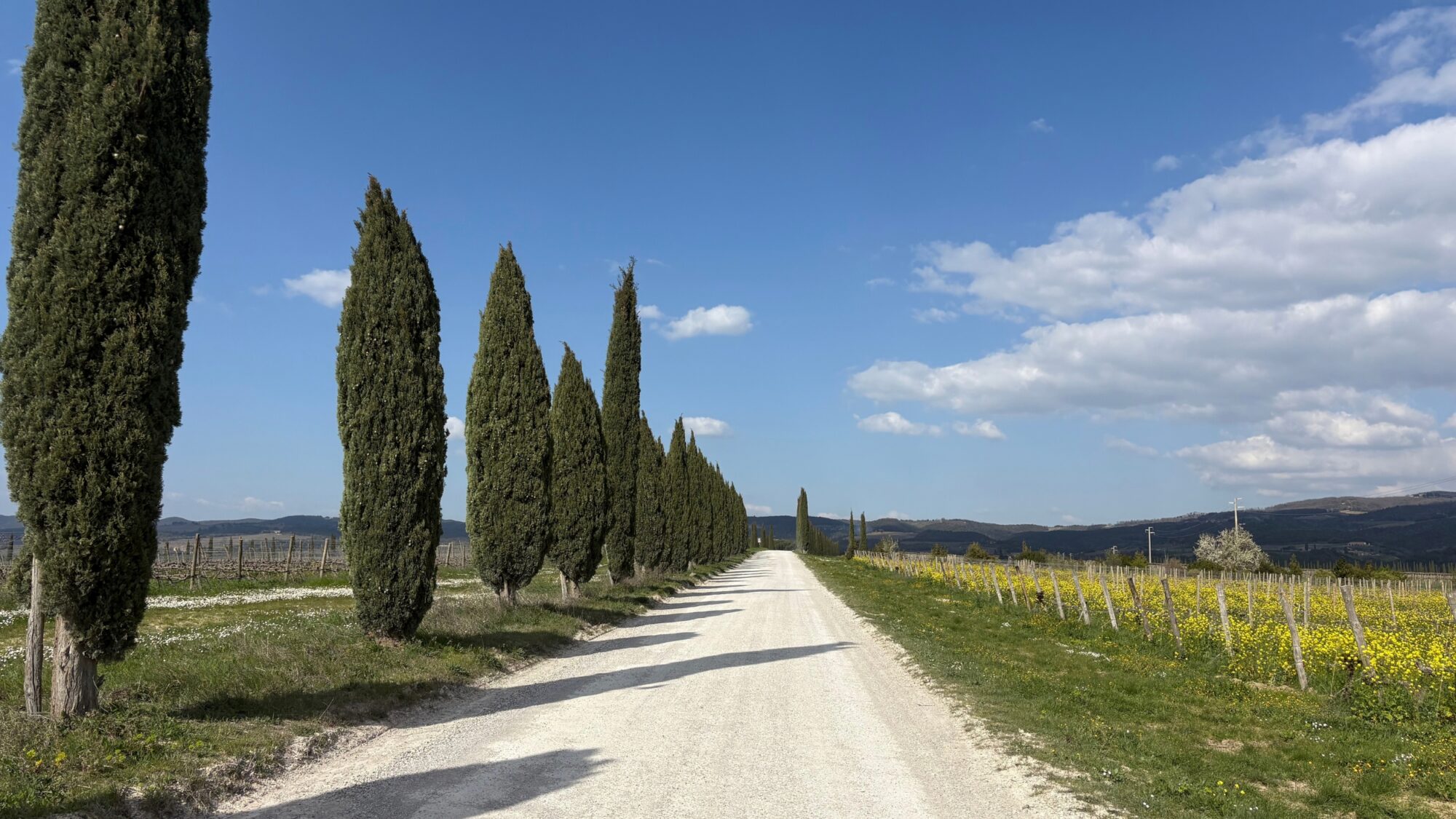
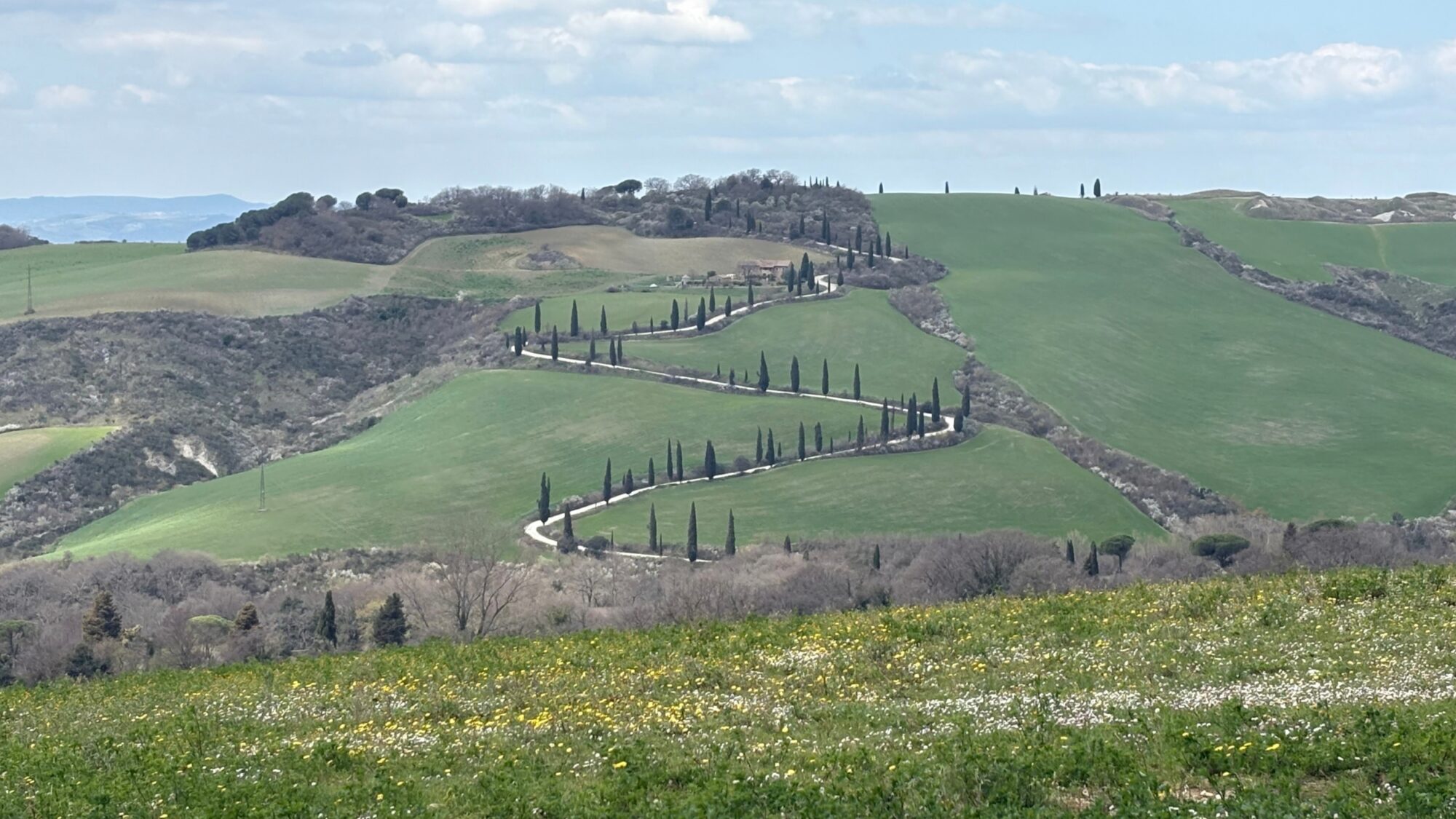
The Val D’Orcia, a valley about 25 miles south of Siena, is likely what everyone thinks of when they hear the word “Tuscany”. Rolling hills of green and gold punctuated by picturesque hamlets, cypress-lined winding dirt roads, abbeys and monasteries along the ancient Via Francigena preserving centuries-old chants, olive groves and vineyards surrounding farms, castles, and historic estates. By God, this is some of the most beautiful nature you’ve ever seen.
In a word…it’s harmonious. Yet much of it is not natural at all.
To understand why, here’s a little history and geography.
The Val D’Orcia has been inhabited for thousands of years. At the bottom of the valley runs the Orcia river. Today it encompasses five principal municipalities: Montalcino, Radicofani, Pienza, San Quirico d’Orcia and Castiglione d’Orcia. Some of these places have become world icons and movie sets over time.
But that harmony is not a creation of nature, but rather the accumulated work of farmers, architects, landowners, artists, and planners — shaped by both local traditions and cosmopolitan ideas.
In 2004, UNESCO designated the Val d’Orcia a cultural landscape, recognising this centuries-old interplay of nature and human intervention. Much of its distinctive character took shape in the 14th and 15th centuries, when the area was incorporated into the Sienese state and reorganised according to an ideal of good government, productivity and visual order. Its aesthetics find a striking parallel in Ambrogio Lorenzetti’s Allegory of Good and Bad Government, painted around 1338–39 in Siena’s Palazzo Pubblico, where a well-ordered landscape becomes a visible expression of a well-ordered society (and vice versa).
The decline of Sienese power in the 16th century brought economic marginalisation to the area. Paradoxically, that relative poverty helped preserve Renaissance patterns of land use and agricultural organisation.
But it would be a mistake to imagine the Val d’Orcia as a landscape crystallised in some pristine historical moment. It is, in fact, the product of continual stratification, in which natural and human interventions have accumulated over centuries.
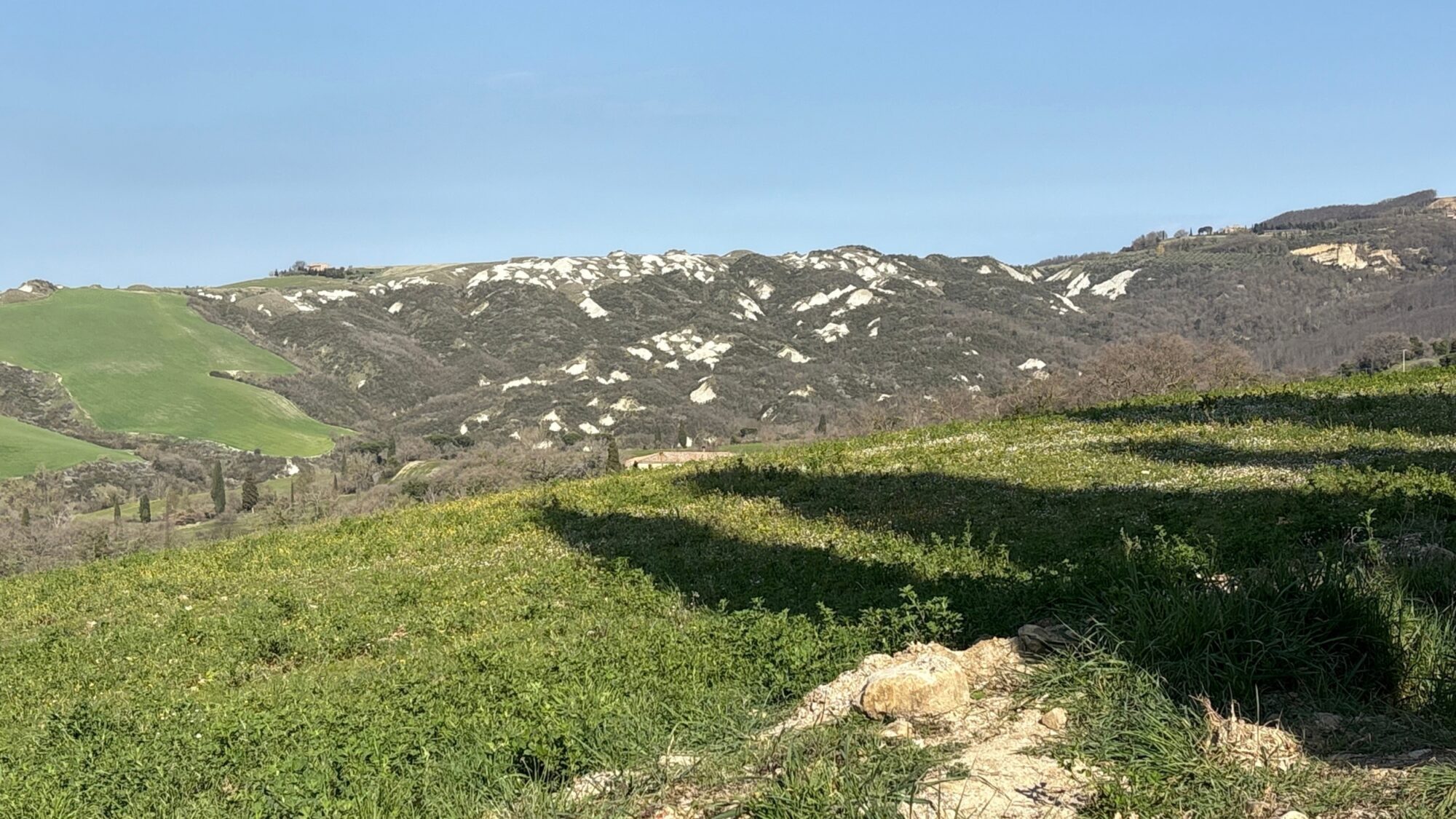
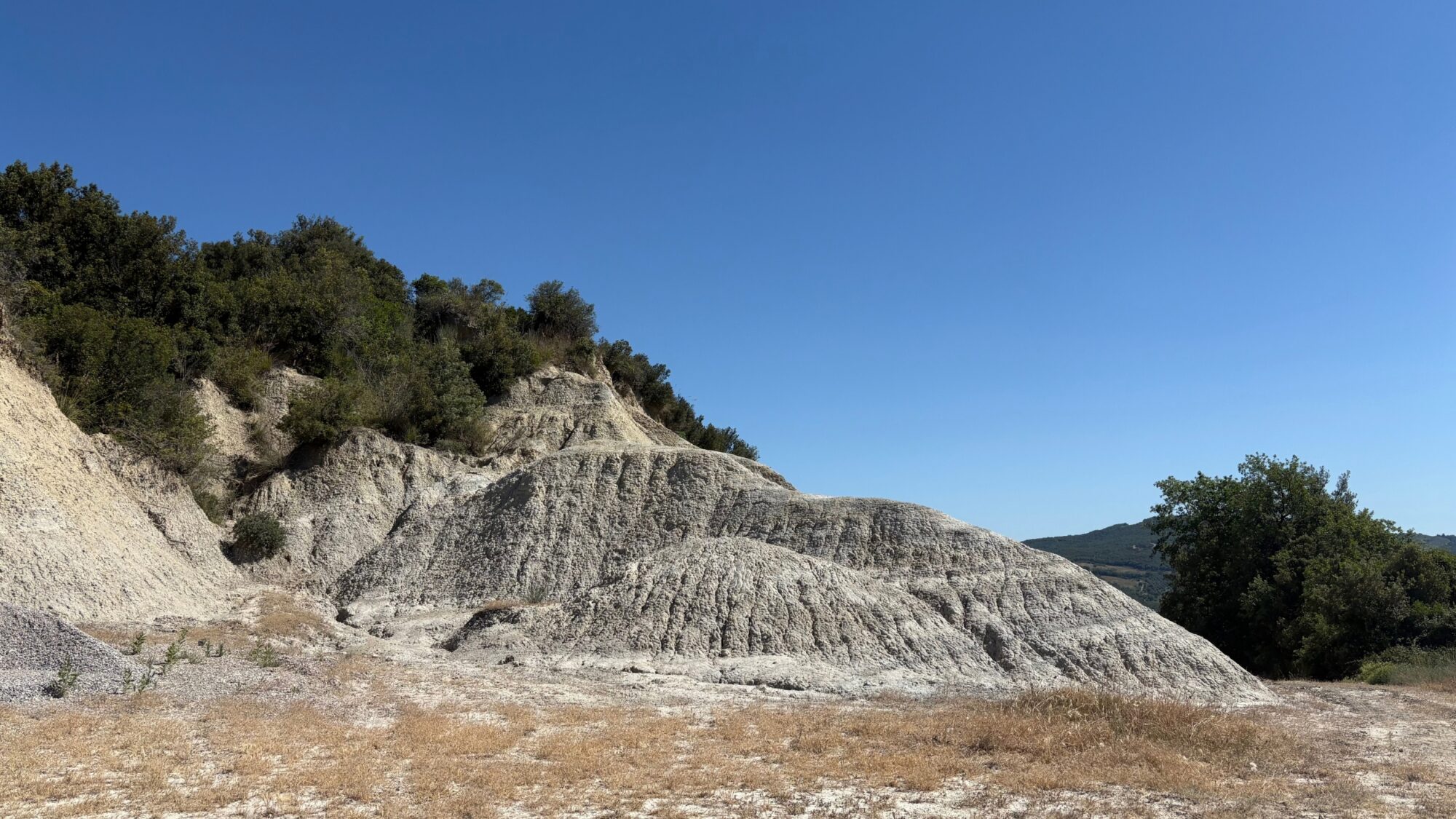
As late as the 1930s, the valley looked radically different from the pastoral ideal familiar today. Barren clay slopes, ravines and pale formations known as calanchi and biancane
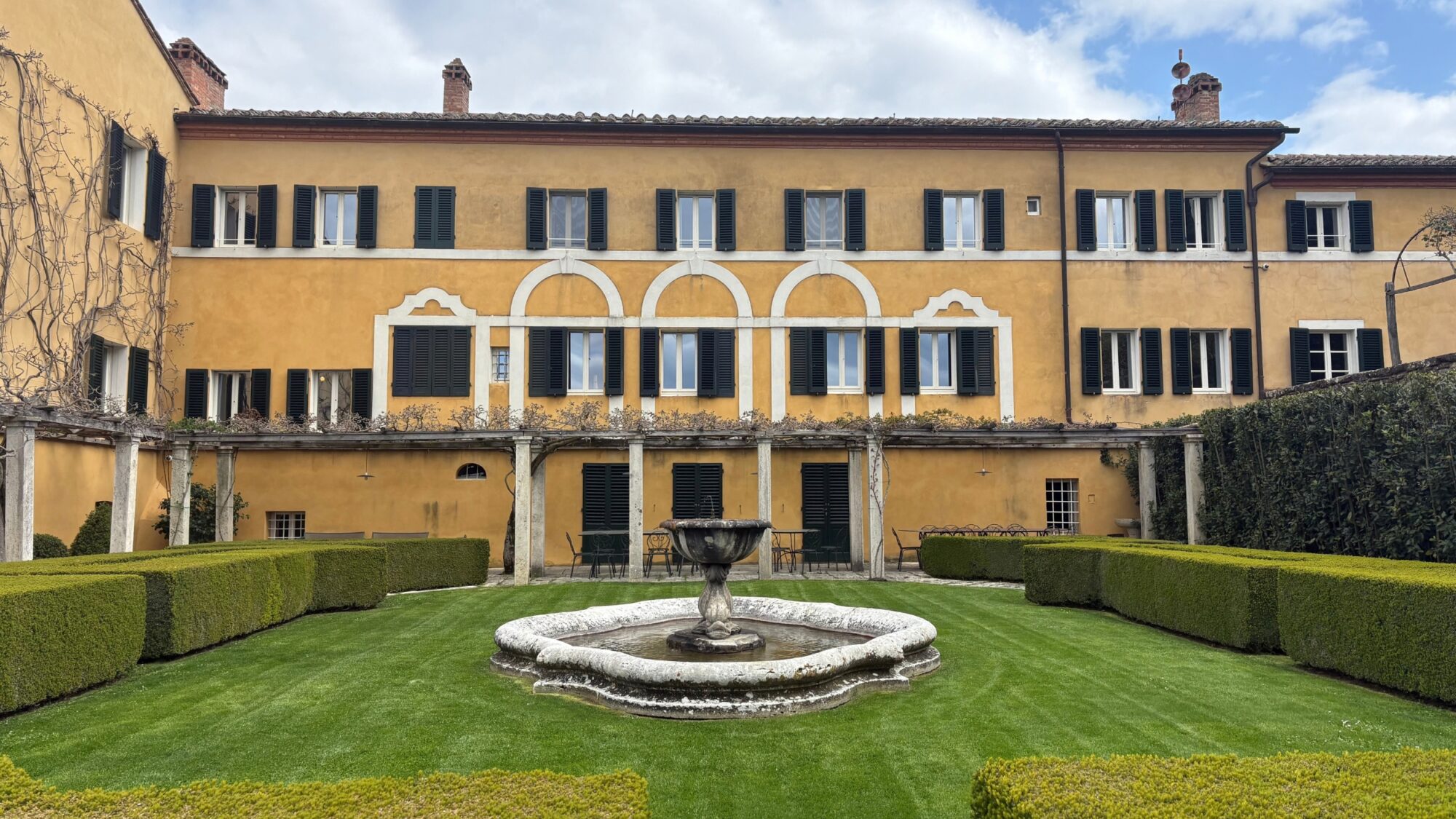
One of the most revealing examples of such transformation is La Foce, a stunning villa dating to the late 15th century, when it served as a wayside hostel for pilgrims and merchants travelling along the Via Francigena. In 1924, the writer Iris Origo and her husband, the Florentine-born Marchese Antonio Origo, acquired the massive, dilapidated estate, which Origo would later remember as almost lunar in its starkness. They embarked on an ambitious programme of agricultural, architectural and social renewal. It went far beyond simply modernising a farm. Among other things, they built and restored 35 farmhouses for their workers and offered shelter to orphans and refugees during World War II. Origo wrote extensively about those harrowing years in her memoir War in Val d’Orcia.
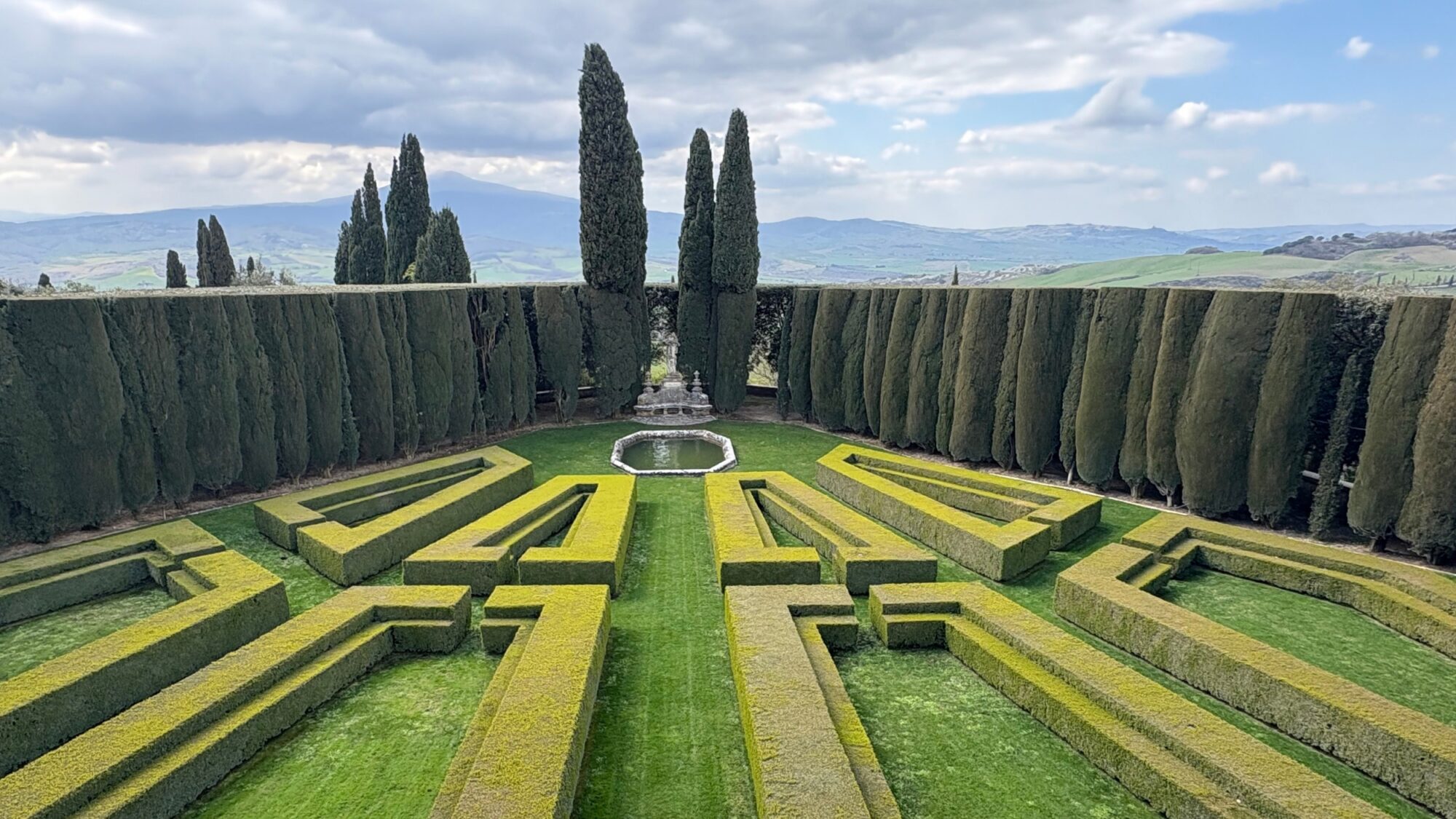
At the centre of this metamorphosis was the garden. The Origos commissioned Cecil Pinsent, the English architect and landscape designer who had become one of the leading interpreters of the Italian formal garden for the Anglo-American community in Tuscany and who had worked on art historian Bernard Berenson’s Villa I Tatti.
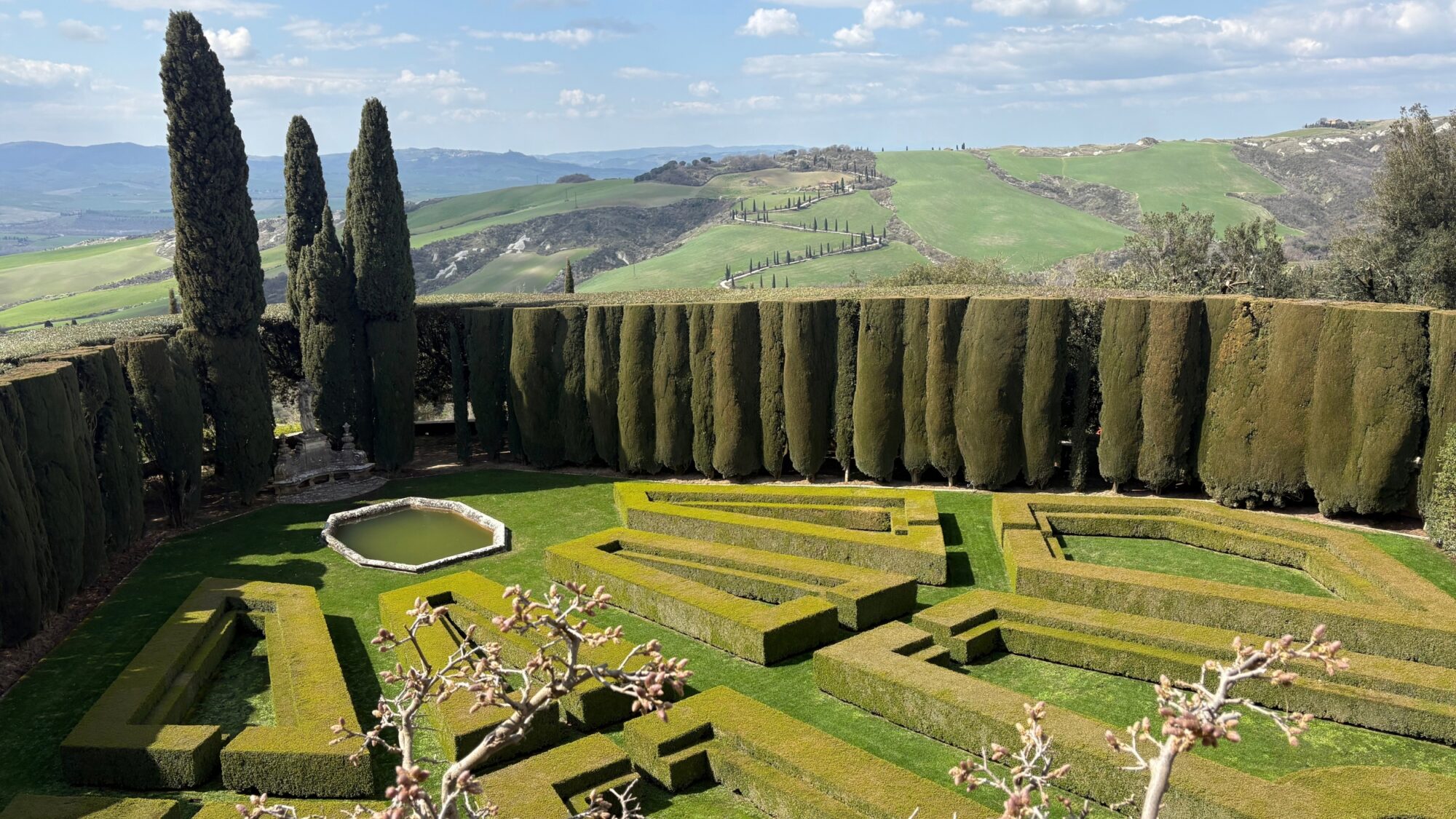
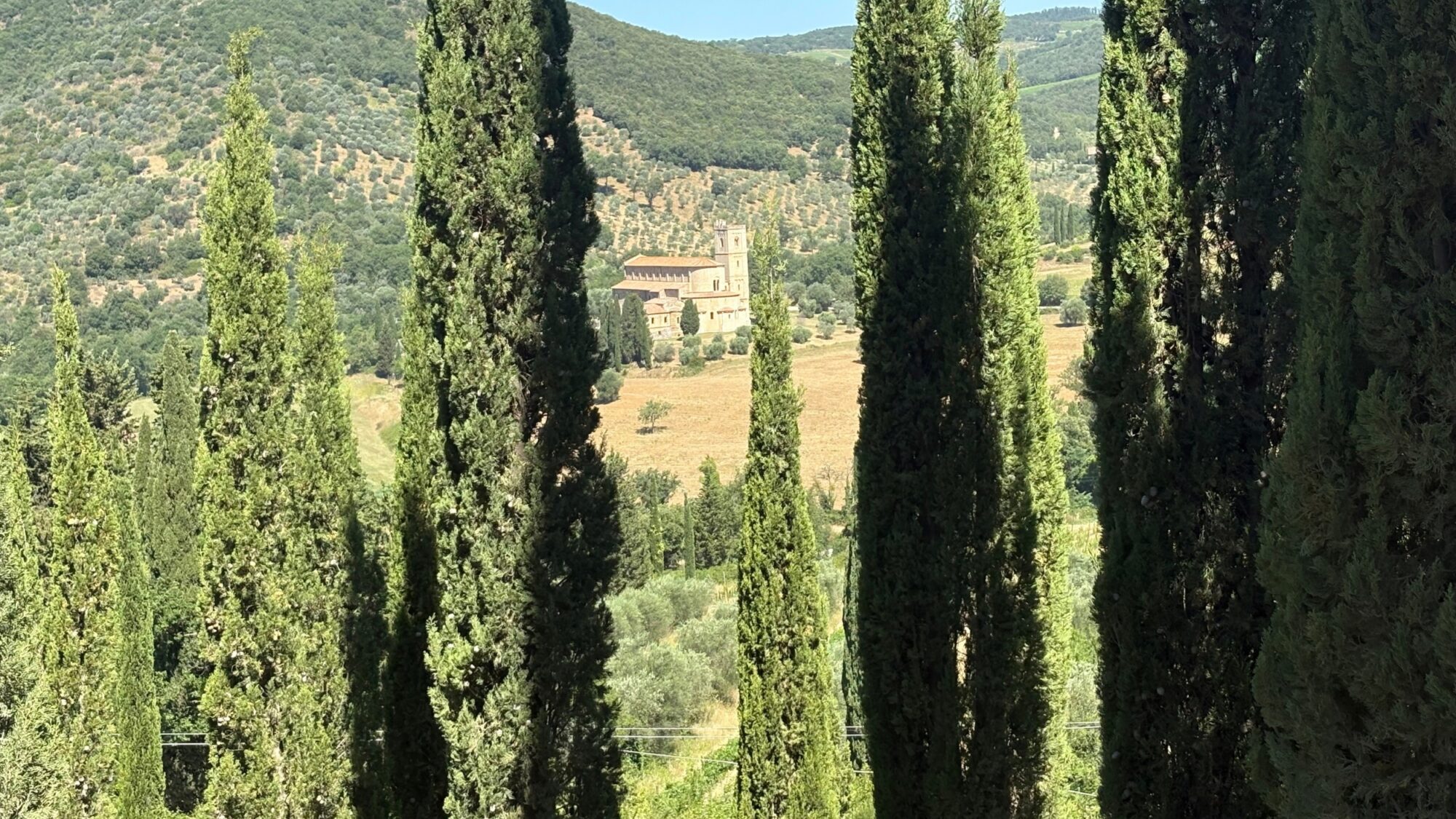
At La Foce, Pinsent developed the garden between 1925 and 1939, creating a sequence of geometric rooms enclosed by box hedges, terraces, pergolas, orchards and cypress avenues. From these formal spaces, the garden gradually opens onto the wider landscape, framing the hills of the Val d’Orcia and the distant bulk of Monte Amiata.
There is an open dialogue between the traditionally enclosed world of the garden and the panorama beyond. The garden seems to function as an optical apparatus, inviting the eye outward towards the horizon. The cypresses operate almost like stage wings, while the carefully composed spaces direct the gaze beyond the garden itself, turning the act of looking into part of its design.
Iris Origo was uniquely positioned to understand this dialogue between landscape, culture and representation. Born Iris Cutting in 1902 to an American father and an Anglo-Irish mother, she spent much of her childhood at Villa Medici in Fiesole, at the heart of the Anglo-American intellectual and artistic community that gathered around Florence in the late 19th and early 20th centuries. Through this world she encountered figures such as Bernard Berenson and his circle, as well as writers and artists including Harold Acton, Edith Wharton, Vernon Lee and Vita Sackville-West.
Origo thus belonged to two worlds at once: cosmopolitan and Anglo-American by birth, formed within the Anglo-Florentine milieu, yet deeply rooted in the Italian way of life and in the Tuscan countryside reality. At La Foce, that dual identity found its perfect physical expression. The garden combines the geometry of the Italian formal tradition with a more English sensitivity to planting and informality—a distinctly Anglo-Tuscan landscape born of cultural exchange.
In this sense, La Foce belongs to the longer history of Toscana felix: the idea of Tuscany as a fortunate land in which nature, cultivation, history, art and human life achieve an almost ideal equilibrium—a unicum. Yet the apparent simplicity of this ideal conceals centuries of labour and interpretation. Tuscany became felix not simply because of what nature provided, but because generations of people cultivated, ordered, represented and, ultimately, learned to see the land in particular ways. What we call landscape is therefore not only something that is made, but something that is continually perceived, interpreted and given meaning.
This relationship between making and seeing lies at the heart of Italian geographer Eugenio Turri’s concept of landscape as theatre. For Turri, landscape is both stage and spectacle: it is the territory transformed by human action, but also the way that territory is perceived, interpreted and represented. Human beings are simultaneously actors within the landscape and spectators of their own actions, so that nature and culture meet in what Turri calls the “landscape-theatre.” The landscape is therefore not simply lived or constructed, but also seen and understood as a representation of human relationships with place. The garden at La Foce offers a particularly compelling illustration of this idea.
What we experience today as harmony is therefore the visible residue of centuries of negotiation: between soil and cultivation, poverty and prosperity, culture and wilderness, nature and technology, local tradition and foreign imagination. The beauty of the Val d’Orcia lies not in untouched perfection, but in this layered and accumulated dialogue. It is a living landscape, continually staged and reshaped by those who inhabit it, work it, represent it, envision it, and see it.