Gatos, Chulapos & San Isidro
I was born and raised in Madrid, but I can’t call myself a real “gata”. To earn that title, tradition says you need to have been born in Madrid, and both your parents and all four grandparents need to be madrileños too. Quite a rare species these days!
There are a few theories about where the word gata comes from, but the one I learnt when I was little dates to 1085, when King Alfonso VI laid siege to the city, which was then under Muslim rule and known as “Mayrit”. According to the story, one soldier scaled the city walls using nothing but a dagger, moving so fast and so nimbly that the others said he climbed like a cat. The city fell, the soldier was celebrated, and centuries later the nickname stuck to anyone who could trace their Madrid roots back far enough.
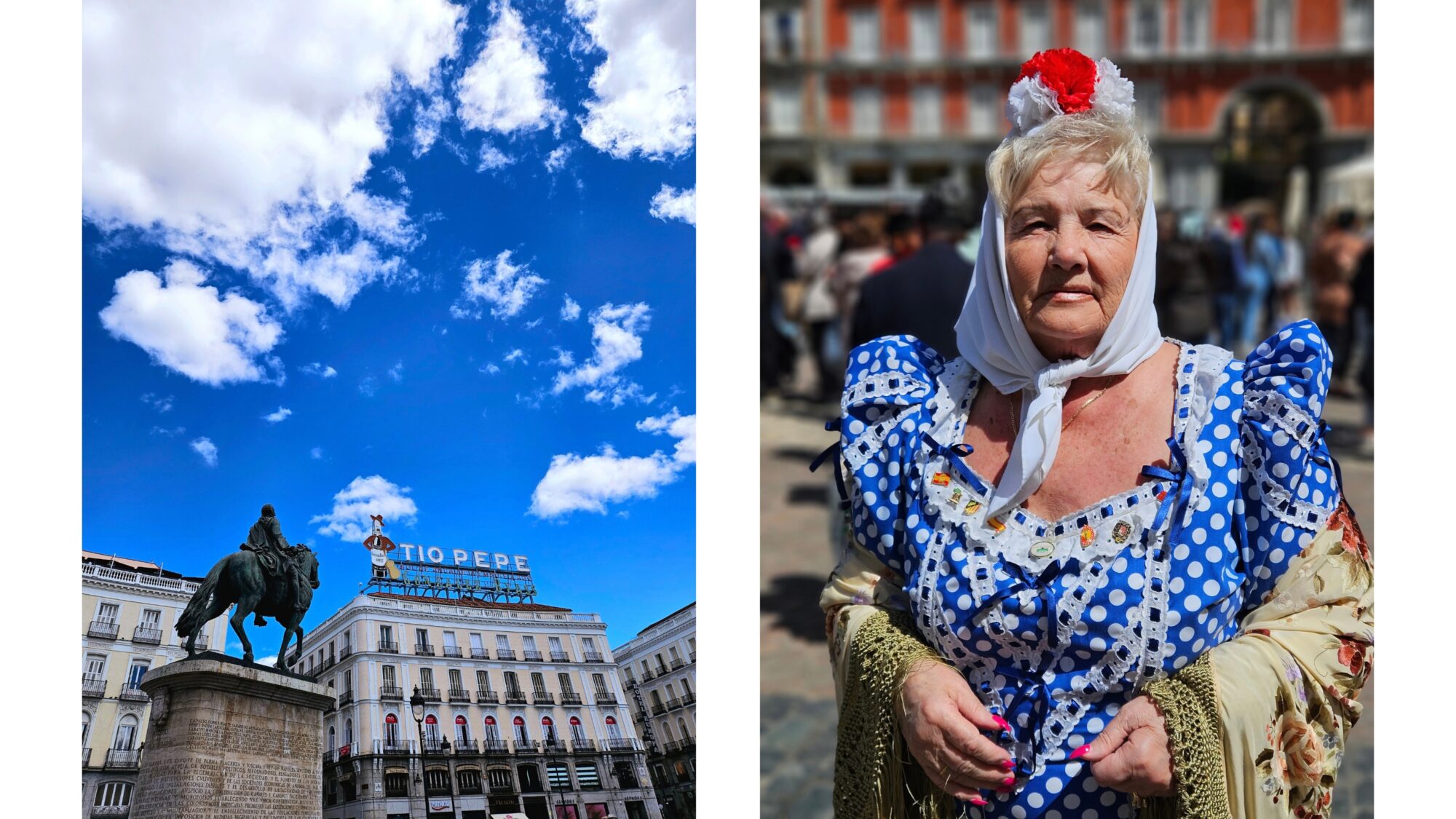
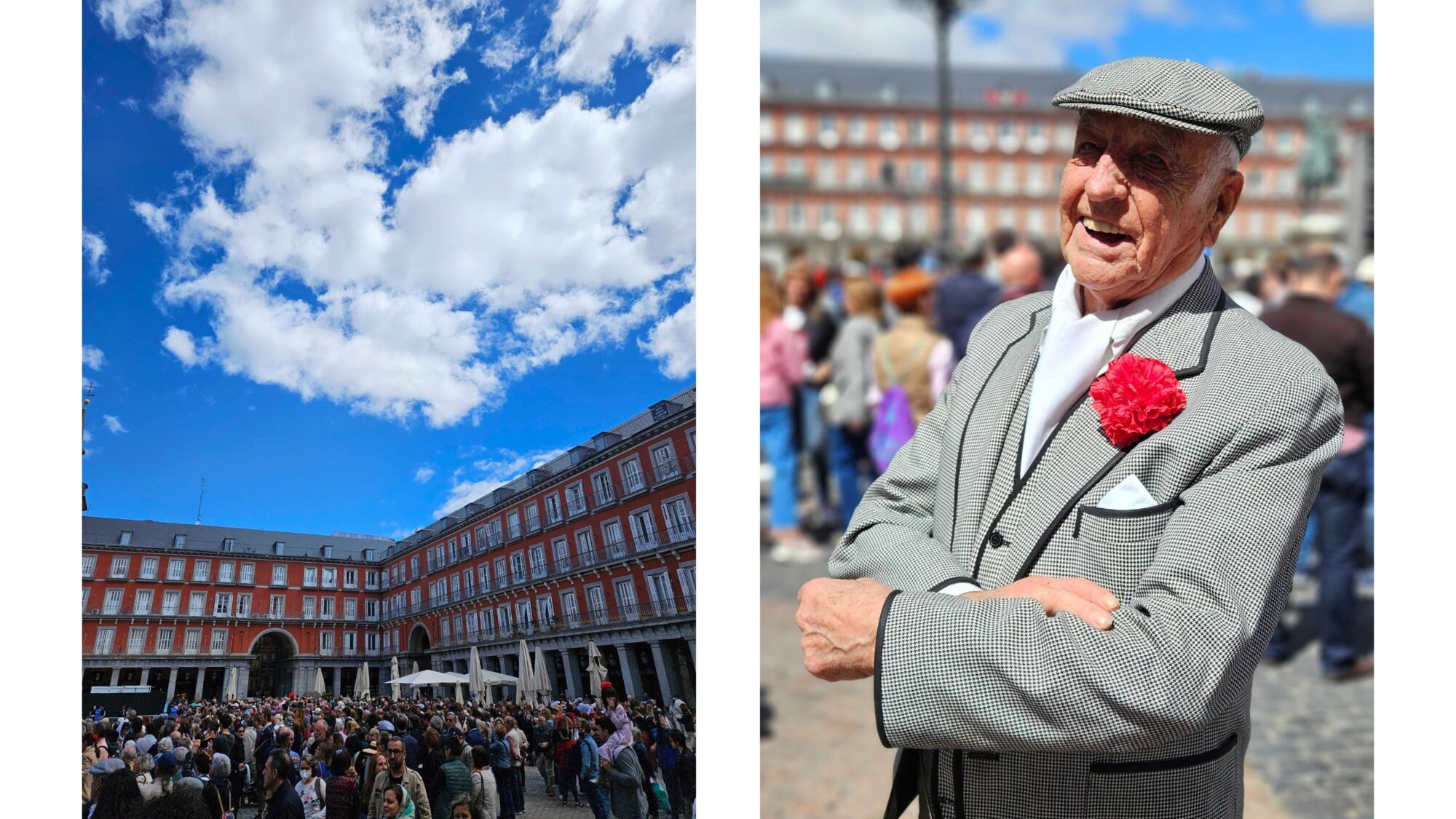
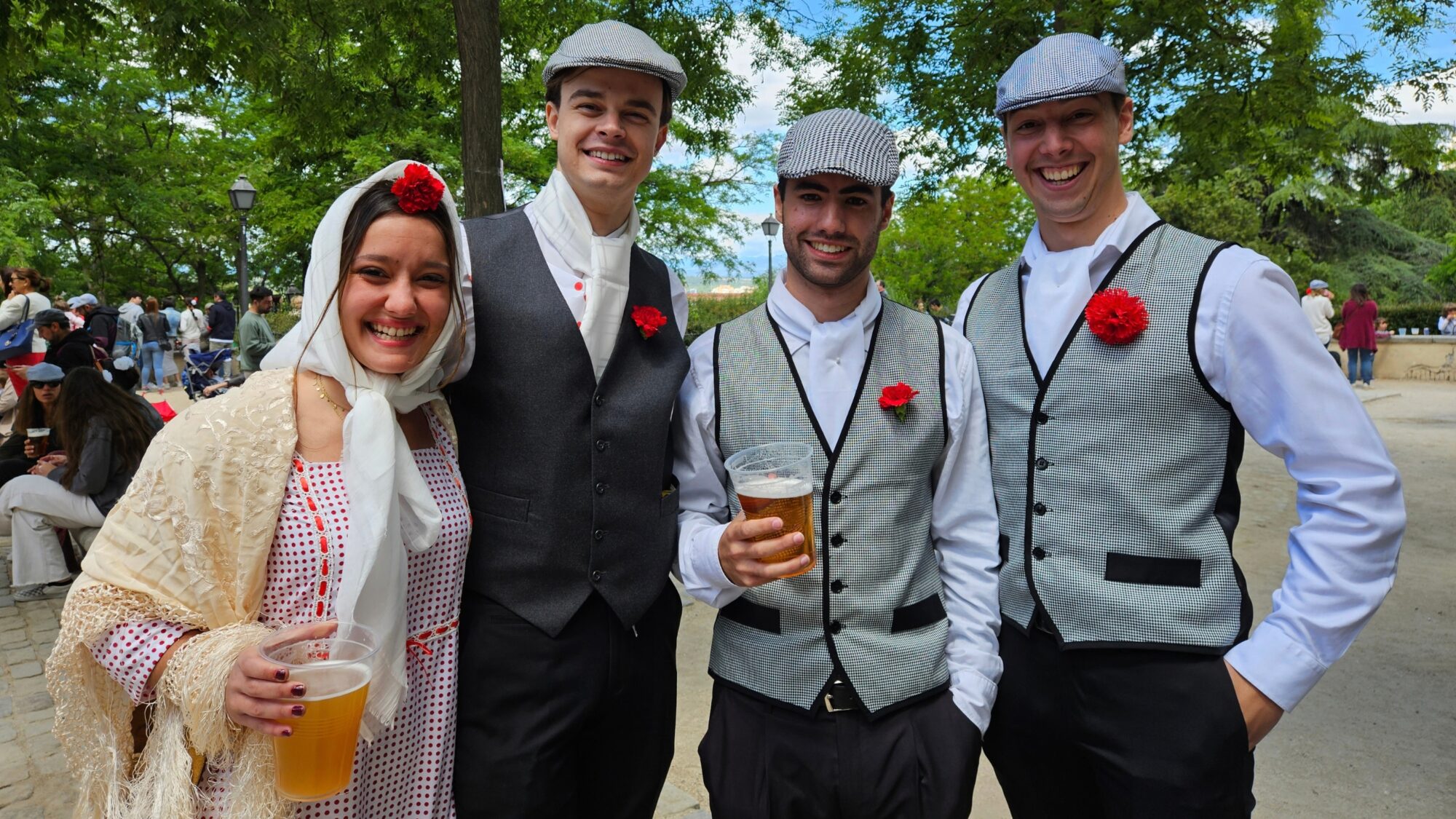
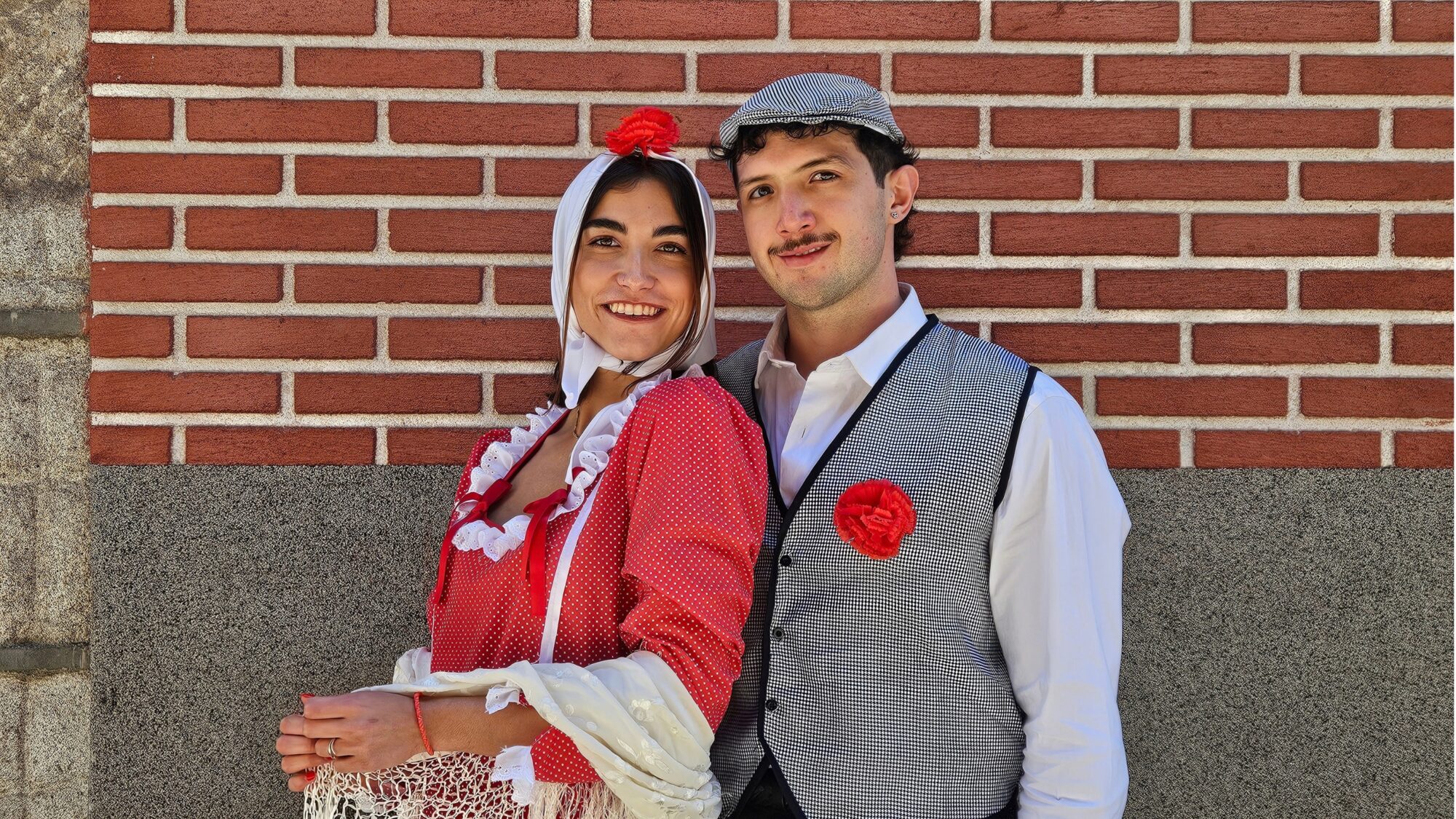
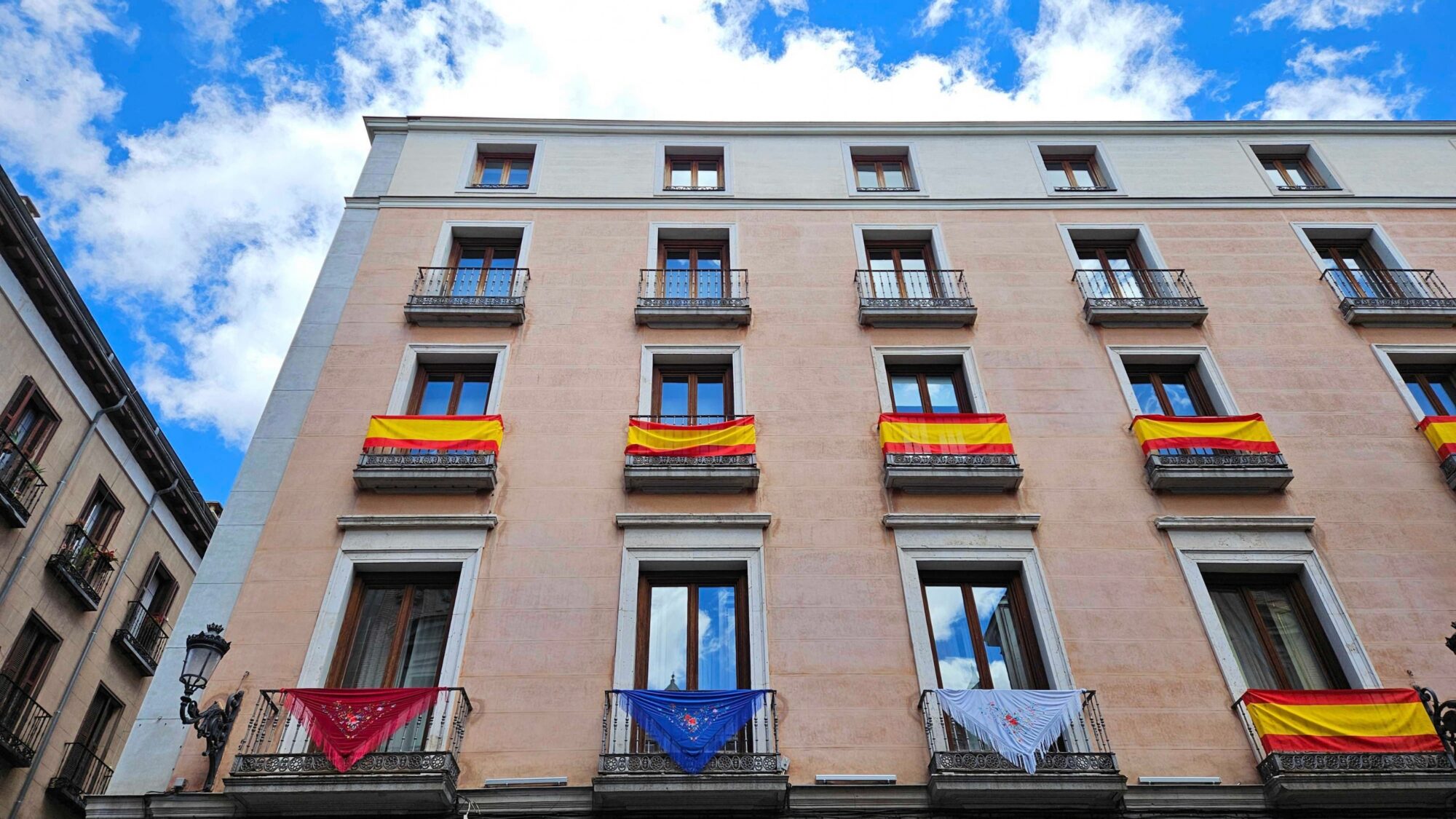
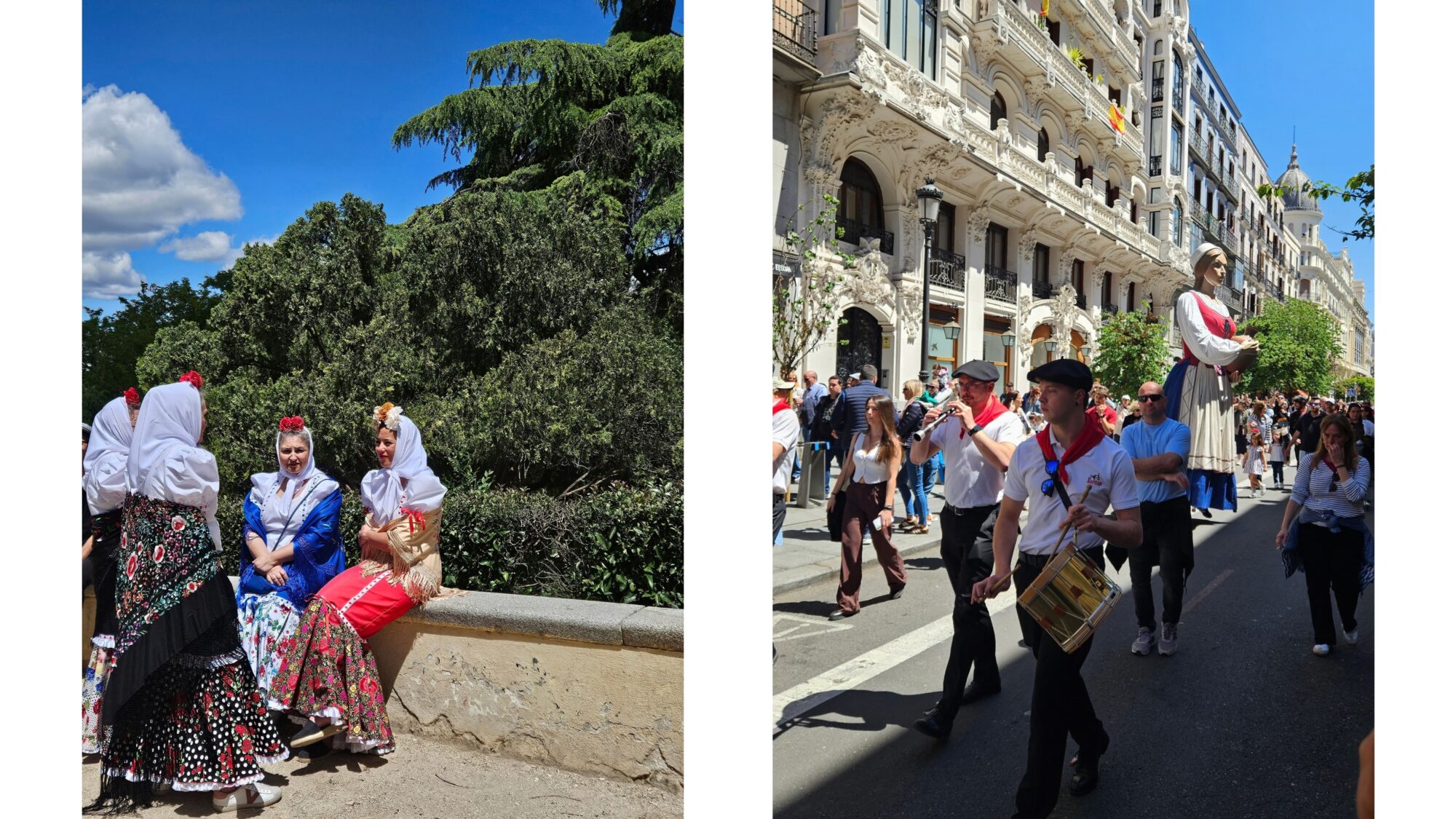
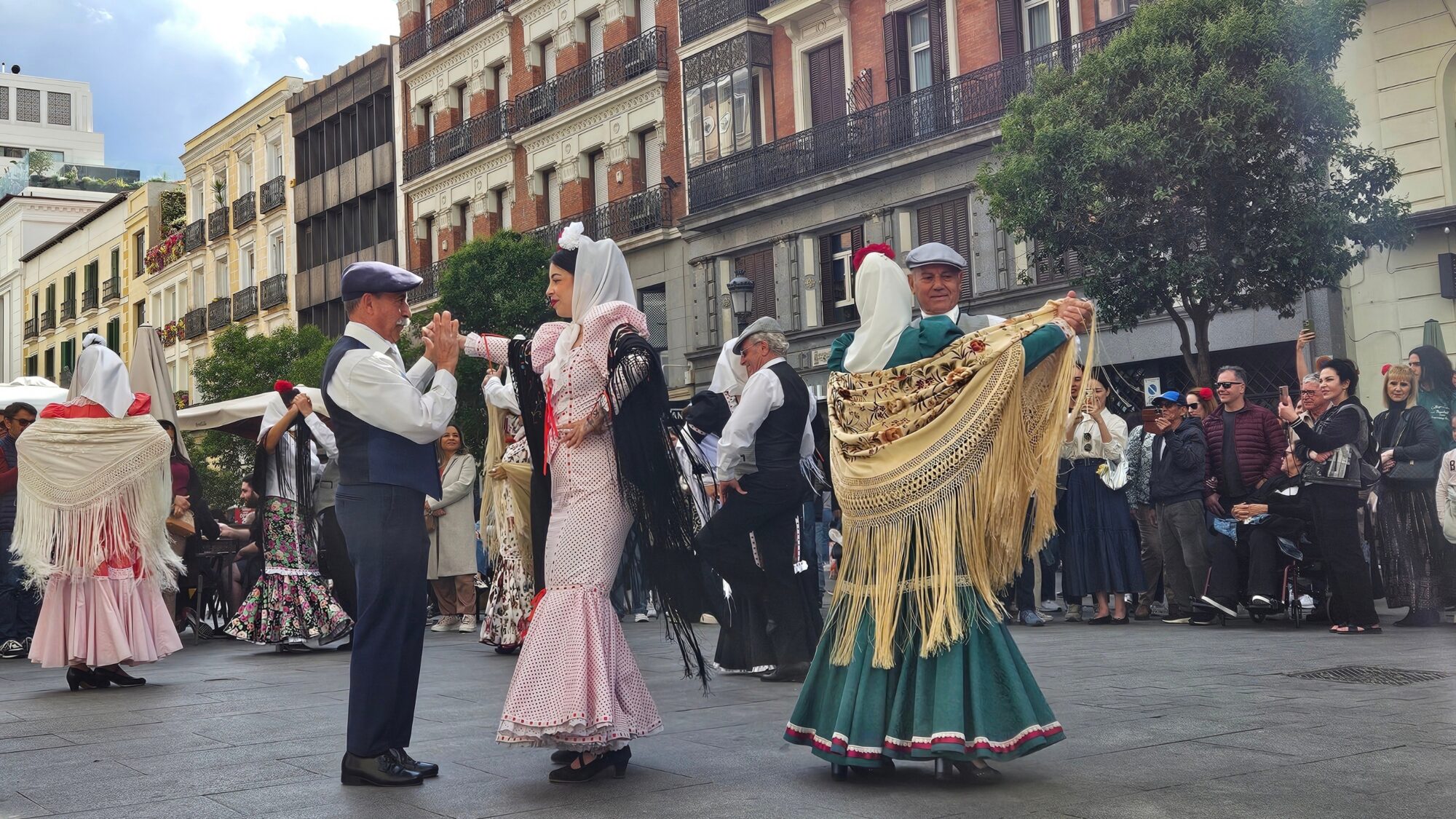
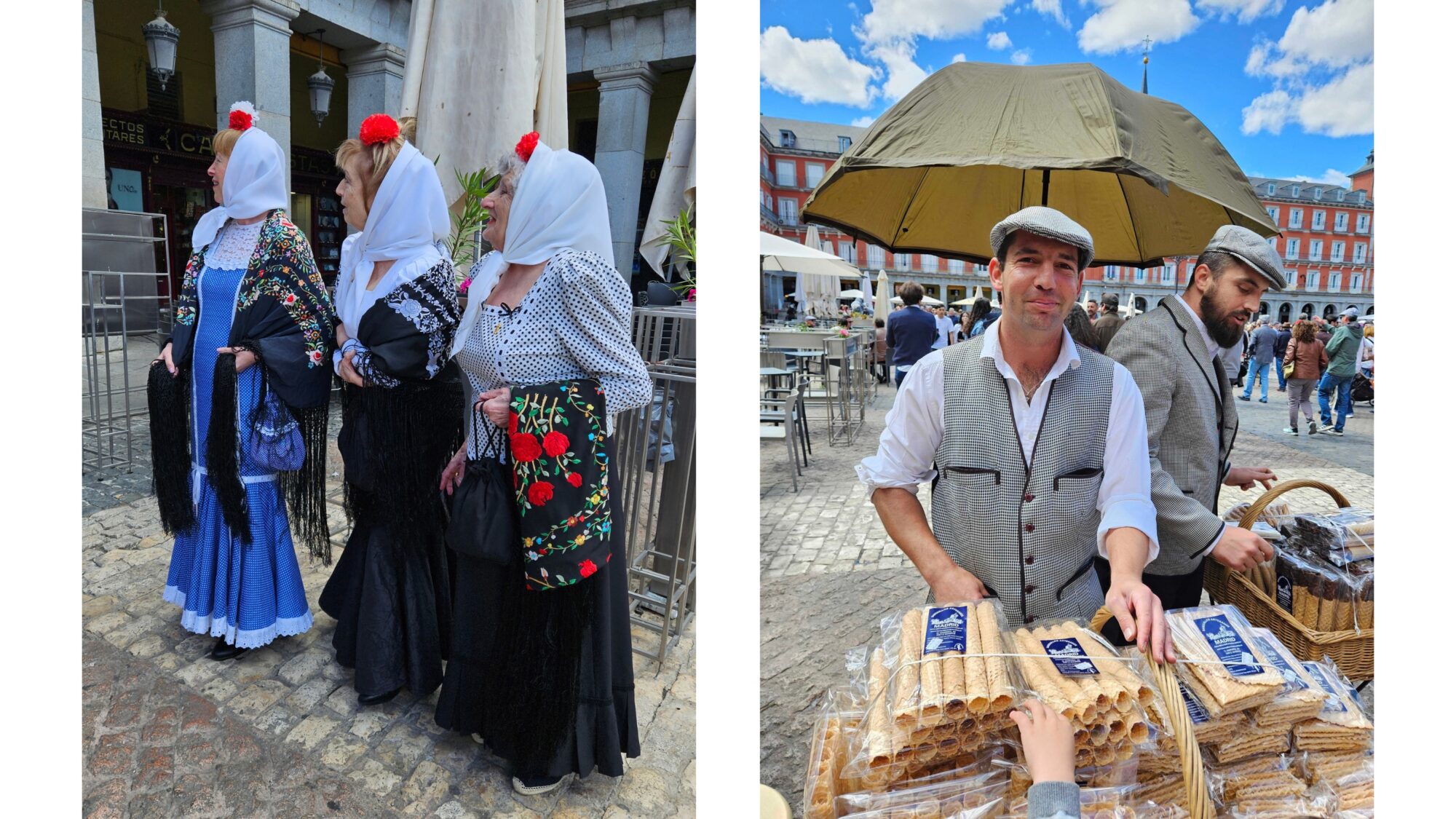
There is a special day for gatos and gatas in Madrid: San Isidro, on May 15th. It is the feast of Madrid’s patron saint, when people dust off their own “chulapo” and “chulapa”
But you really know May 15th has arrived when you wake up, open WhatsApp and every group chat seems to have a proud parent sharing a photo of their little one before heading off to school or nursery, all dressed up as a tiny chulapo or chulapa, carnations and all. By 8am, cuteness overload has officially set in.
San Isidro himself was an 11th-century farmer, and his story comes with the kind of miracles that have left physical traces around the city; like the well in La Latina where, according to tradition, his son fell in and San Isidro miraculously made the water rise to save him.
Nearby is one of those curious, unknown, little places in Madrid: the Cuadra de San Isidro, supposedly the stable where he kept the animals he worked the fields with and sometimes even slept. It’s only around 40 square metres, hidden inside a normal residential building, and it opens to the public just once a year: on May 15th.
Traditionally, generations of madrileños would head to the Pradera de San Isidro to picnic, dance and celebrate. The Pradera is still part of the tradition, but these days I think the nicest atmosphere is actually back in the historic centre, around Las Vistillas, La Latina, Plaza Mayor and the surrounding streets, where you’ll find more locals joining the celebrations.
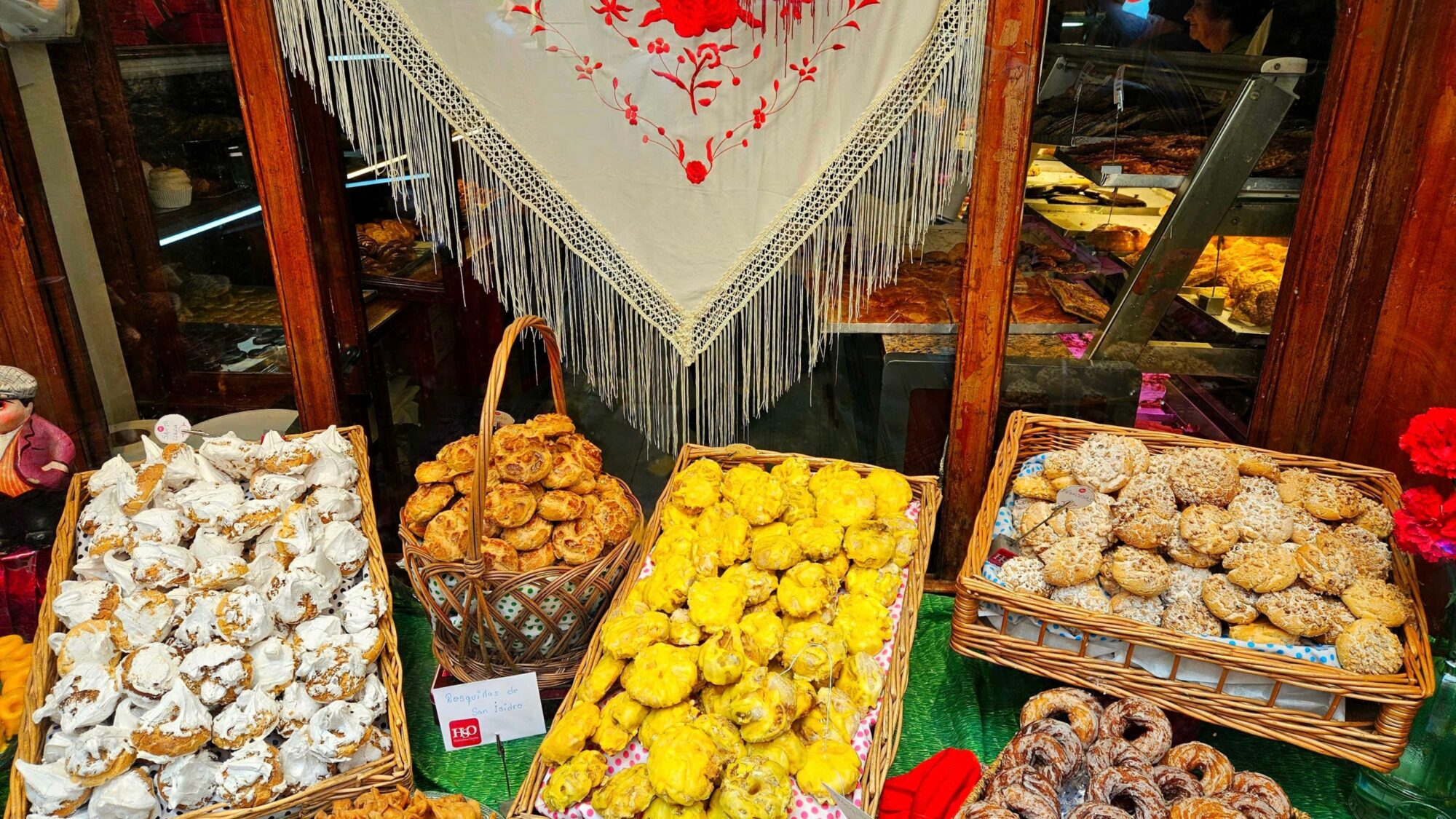
And of course, then there’s the food… because no Spanish celebration would be complete without a menu of its own. San Isidro brings out some of Madrid’s most castizo dishes: cocido madrileño, callos, tortilla, bocadillos de calamares and, for the more adventurous, “gallinejas and e